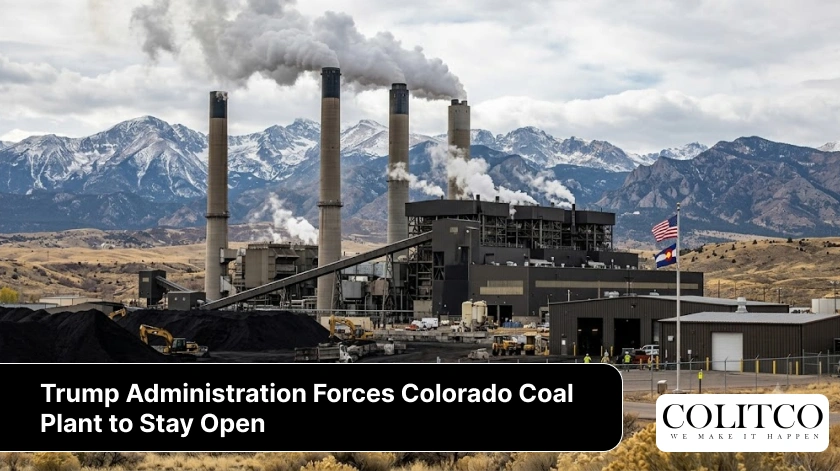
United States Secretary of Energy Chris Wright issued an emergency directive to maintain operations at a facility in Colorado. The mandate prevents the planned closure of the generation unit to address grid reliability concerns.
The Department of Energy utilised section 202(c) of the Federal Power Act to enforce this decision. This action marks the third time the administration extended the lifespan of this generation asset. The current directive commands utility companies to keep the equipment operationalised through September.
Federal officials cited resource adequacy reports that predict blackouts across the network if generation capacity drops. The administration asserts that keeping coal power online stabilises the transmission grid during peak summer demand. Secretary Wright noted that taking generation off the grid compromises reliability and raises costs.
The policy reverses the retirement schedule that utility executives finalised a decade ago. The administration seeks to protect the domestic grid from supply deficiencies as energy consumption shifts. This strategy aligns with executive declarations that focus on national energy security.
The Department of Energy reports that more than 17 gigawatts of coal power generation remained online during 2025 due to federal intervention. Officials project that blackouts could increase by a factor of 100 by 2030 without these measures. This data forms the baseline for the current emergency intervention.
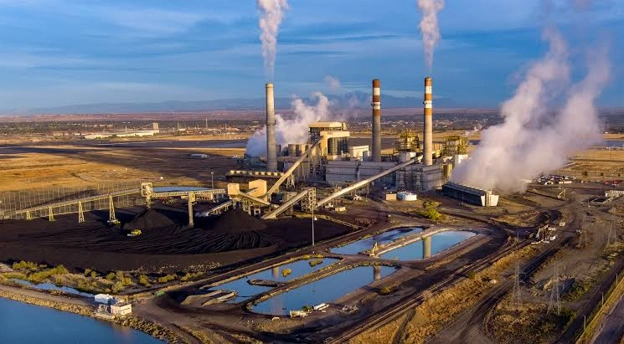
Figure 1: Colorado Coal Plant [Source: The Colorado Sun]
The Department of Energy issued the order under emergency protocols to prevent grid instability during the summer months. The Southwest Power Pool will oversee the dispatch of the unit to ensure network balance. This mechanism allows federal regulators to bypass the standard state decommissioning timelines.
Impact Analysis
This intervention affects electricity rates for consumers across multiple states, including Colorado, Nebraska, New Mexico and Wyoming. Ratepayers will absorb the maintenance costs and fuel expenditures required to run the infrastructure. Financial analysts estimate these obligations at 20.9 million dollars every 90 days, which equals 84.7 million dollars annually.
Environmental organisations warn that continuing operations expands emissions and impacts air quality in surrounding communities. Conversely, grid operators state that shutdowns jeopardise electricity supply when heatwaves increase power consumption.
The decision highlights a conflict between local alternative energy transitions and federal energy dominance policies. Citizens face uncertainty regarding utility bills and regional environmental standards as the legal dispute intensifies. The situation demonstrates how federal mandates can override state planning mechanisms.
Ratepayers face increased bills because compliance requires ongoing outlays for fuel and staff. The utility companies pass these operational expenses directly to households and businesses. This distribution of costs financialises federal policy at the household level.
The retention of the coal unit also creates structural challenges for alternative power integration. The existing transmission lines lack the capacity to carry electricity from both the coal plant and new solar developments simultaneously. This bottleneck delays the deployment of alternative energy systems that local providers developed.
The financial burden falls on customers who receive electricity from the member cooperatives. These consumers must fund the maintenance of an aging asset despite the availability of alternative power sources. The situation shapes the general debate regarding the economic costs of the transition away from fossil fuels.
Key Stakeholders
The order names Tri-State Generation and Transmission Association, which operates the facility alongside several co-owners. These entities include Platte River Power Authority, Salt River Project, PacifiCorp and Public Service Company of Colorado.
On the regulatory side, Secretary Chris Wright leads the federal initiative under the direction of President Donald Trump. Meanwhile, Colorado Governor Jared Polis and the Colorado Energy Office oppose the intervention. Public interest groups, including the Environmental Defense Fund and the Sierra Club, have initiated legal challenges in court.
The Southwest Power Pool manages the regional transmission network and directs the deployment of the facility. The data center sector also influences this situation, as the expansion of artificial intelligence facilities drives electricity demand upwards.
Tomás Carbonell, Distinguished Counsel and Assistant Vice President at the Environmental Defense Fund, criticised the federal strategy. Carbonell stated, “Colorado families are being forced to bankroll a failing coal plant that even its owners say isn’t needed,” during a recent briefing.
The plant operators also expressed reservations regarding the financial mechanism of the order. Tri-State and Platte River issued a joint statement noting that “members and customers must pay those costs even though neither Tri-State nor Platte River are experiencing these shortages.”
The tech sector indirectly drives this policy shift due to the power requirements of artificial intelligence data centres. Grid planners state that these digital facilities cause an 8.5 per cent increase in projected electricity demand over the next decade. This growth matches the broader pattern of industrial expansion across the country.
Attorneys for the Department of Energy argue that a national energy emergency justifies the expansion of federal oversight. They assert that the growth of digital infrastructure requires baseload generation capacity. This position conflicts with the assessment of state planners who manage local resource adequacy.
Geographic Scope
The events centre on Craig Station, which stands in Moffat County in northwestern Colorado. This facility supplies electricity to rural cooperatives and urban centres throughout the Rocky Mountain region. The transmission lines connect Colorado to neighbouring power grids across the Western Interconnection.
The legal battles now occupy the United States Court of Appeals for the District of Columbia Circuit in Washington. This venue will determine the boundaries of federal emergency powers over utility assets.
The impacts extend across regional boundaries into states that share the transmission network. Communities near the facility experience direct changes in air quality and employment stability. The geographic scope of the directive covers the entire Rocky Mountain assessment area.
Moffat County relies on the facility for employment and tax revenue, making the area a focal point for economic transition debates. The physical infrastructure occupies a site that planners originally intended for alternative energy projects, including the 145-megawatt Axial Basin solar project.
The jurisdiction of the Southwest Power Pool spans multiple states, meaning that grid management decisions in Colorado affect consumers hundreds of kilometres away. The geographic integration of the network distributes the operational impacts throughout the western power grid.
Timeline
The Department of Energy issued the latest emergency mandate on Friday, 26 June 2026. This directive supersedes previous orders from December 2025 and March 2026.
The new order takes effect on 29 June 2026 and terminates on 26 September 2026. Tri-State originally selected the retirement date for the unit back in 2016, targeting 31 December 2025 for closure. The federal government intervened two days before that deadline to halt the decommissioning process.
The legal opposition escalated in March 2026 when environmental coalitions filed their lawsuit. The court case remains active as summer temperatures place additional stress on the grid.
The original timeline dictated a complete closure of the unit by midnight on 31 December 2025. The intervention by the Department of Energy on 30 December 2025 disrupted this schedule.
The federal government renewed these instructions in March 2026 and June 2026 to cover the winter and summer peaks. The current mandate secures the presence of the unit on the network until late September 2026.
Operational Strategy and Future Outlook
The Department of Energy implemented the directive by matching grid projections with executive orders regarding energy emergencies. President Trump issued an executive declaration on 20 January 2025 to establish the framework for these interventions. A subsequent order on 8 April 2025 focused on electricity demand surges from data centres.
The utility companies must now maintain the turbine unit in a state of readiness for the Southwest Power Pool. This requirement forces engineers to perform maintenance on infrastructure that recently suffered mechanical failures.
The co-owners filed appeals because they possess adequate power reserves without the coal unit. The State of Colorado contends that federal officials exceeded their statutory authority under the Federal Power Act. The litigation will proceed through the court system to clarify the definition of an energy emergency.
Also Read: Regis Resources Limited Gold Growth Australia: Beamish South Discovery Sets New Direction
Governor Jared Polis initiated an appeal to block the federal mandate and protect consumer interests. Polis stated, “This appeal is the first step to defend Colorado ratepayers from tens of millions of dollars of unnecessary costs to repair and maintain an expensive coal plant at the end of its life. We are trying to find a quick resolution to this ridiculous order which is creating uncertainty for employees and the community and delaying investment in new, lower cost energy projects that have been previously planned,” during his announcement.
Will Toor, the Executive Director of the Colorado Energy Office, echoed these concerns regarding economic impacts. Toor stated, “These orders will take money out of the pockets of Colorado ratepayers, and especially harm rural communities across the West who could be forced to absorb the unnecessary excess costs required to keep this plant operational,” while critiquing the federal approach.
Toor added further criticism regarding the ideological motivations behind the decision. Toor stated, “The Trump administration is engaging in Soviet-style central planning, driven by ideology rather than the realities of the electric grid, that will drive dirtier air and higher electric rates across our state.”
The administration utilises similar emergency orders to sustain coal facilities in Indiana, Michigan and Washington. This coordinated approach faces ongoing litigation in the D.C. Circuit Court of Appeals, where judges will decide the limits of executive power over energy infrastructure.
Operational Metrics
The following metrics detail the operational and financial impact of the federal intervention. These statistics clarify the scale of the dispute between state and federal officials.
- The facility operates with a capacity of 427 megawatts at Craig Unit 1.
- The financial obligations total 20.9 million dollars every 90 days of operation.
- The total annual compliance cost reaches 84.7 million dollars for ratepayers.
- The Department of Energy sustained over 17 gigawatts of coal power nationwide in 2025.
- Grid projections estimate a potential 100-fold increase in blackouts by 2030 without resource retention.
- The current emergency directive extends the lifespan of the asset until 26 September 2026.
Sources
- https://www.mining.com/trump-administration-issues-emergency-order-to-keep-colorado-coal-plant-operating/
- https://www.energy.gov/articles/trump-administration-keeps-coal-fired-power-generation-alive-colorado
- https://westernresourceadvocates.org/blog/a-false-energy-emergency-is-forcing-coal-plants-open
Disclaimer:
This article is provided for informational purposes only and does not constitute financial, investment, legal, or professional energy policy advice. The information presented is based on reports regarding the federal mandate for Craig Station as of June 2026 and may be subject to change as legal proceedings and regulatory developments evolve. Readers are advised to consult official government sources, public utility filings, and legal professionals for accurate, up-to-date information regarding utility rates, regulatory requirements, and energy security policies.

Luke Carlino is a seasoned Copywriter, Content Strategist, and Social Media Manager specialising in Mining, Finance, and Business journalism. With more than a decade of industry experience, he brings rigorous editorial standards and commercial acuity to every project.