

Western Australia’s Labor government delivered its eighth consecutive budget surplus on Thursday, upgrading the current financial year’s surplus to $3.5 billion and forecasting a $2.4 billion surplus for 2026/27. The state channelled the windfall into more than $1 billion in cost-of-living relief for residents, spanning fuel payments, education allowances, energy rebates, and free public transport.
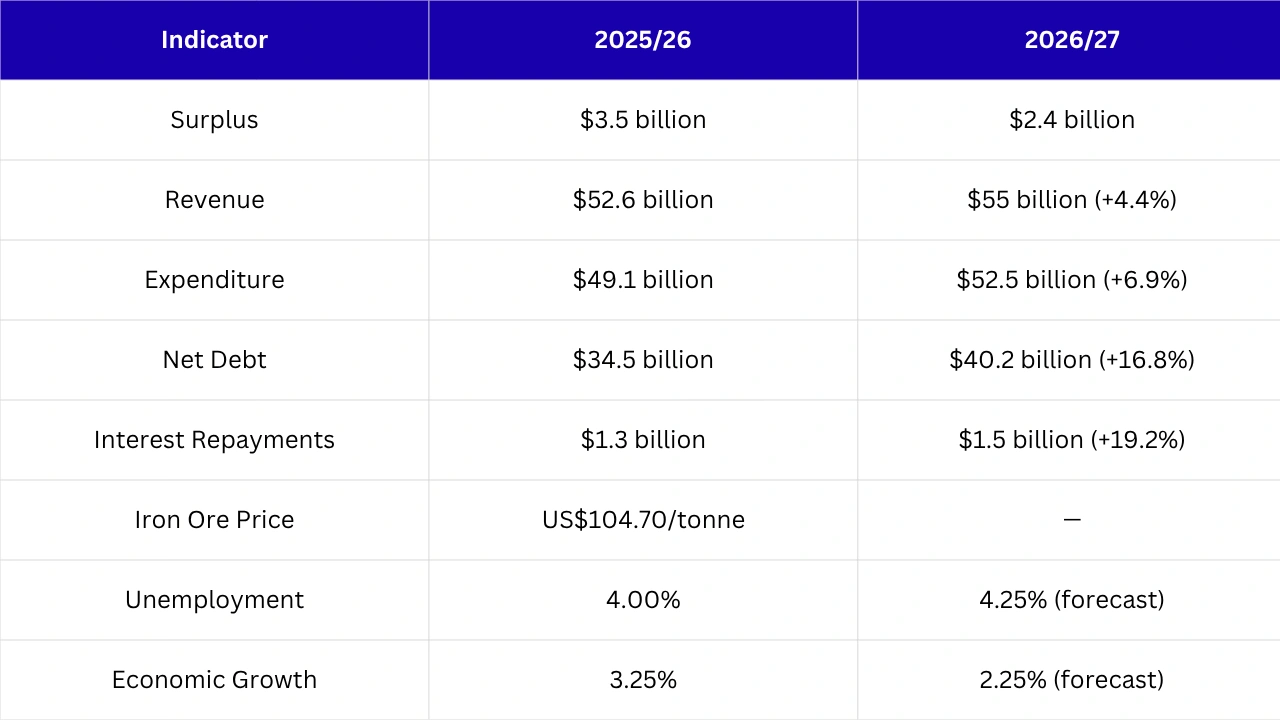
The budget registered total revenue of $55 billion — a 4.4 per cent rise from $52.6 billion — while expenditure climbed 6.9 per cent to $52.5 billion. Net debt stands at $34.5 billion this financial year, the lowest per capita figure in the nation, before rising to $40.2 billion in 2026/27.
The Relief Package
The budget delivers direct financial relief to millions of Western Australians navigating rising fuel and living costs. The state’s 2.1 million registered motorists each receive a $100 “fuel support payment” deposited directly to their bank accounts. Families continue to receive $250 per secondary school student and $150 per primary and kindergarten student.
Beyond household relief, the surplus signals the state’s capacity to invest in long-term infrastructure across health, housing, clean energy, and public transport. The budget reinforces Western Australia’s position as the nation’s most fiscally sound state at a time when other jurisdictions are recording significant debt levels.
Key relief measures in the 2026/27 budget include:
- $100 fuel support payment for all 2.1 million registered motorists
- $250 per secondary school student and $150 per primary/kindergarten student for families
- A new carers gold card for eligible residents
- Energy rebates to offset household electricity costs
- Capped regional flight costs to ease travel expenses in remote areas
- Free public transport initiatives across the state
- Billion-dollar investments in health infrastructure, housing, clean energy, and public transport
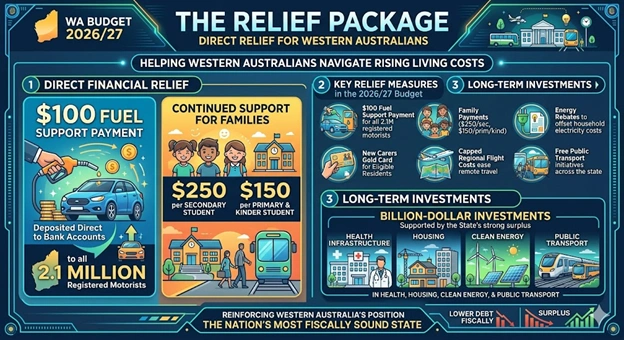
Figure 1: Relief package for Western Australians
The Key Players
WA Treasurer Rita Saffioti unveiled the budget, framing its measures as a deliberate response to economic volatility. Premier Roger Cook attributed the surplus position to responsible economic management, noting it created room for cost-of-living relief without compromising fiscal discipline.
Aaron Walker, Chief Executive of the Chamber of Minerals and Energy WA, credited the state’s resource sector for its reliable performance. “You can always bank on resources in a time of crisis,” Walker said. “In a world of uncertainty, iron ore, gas and gold keep getting sold.”
Daniel Kiely, Chief Economist of the Chamber of Commerce and Industry WA, described the budget as “a building block budget that sets a strong foundation for future growth,” though the chamber expressed disappointment at the absence of meaningful reform, including payroll tax concessions.
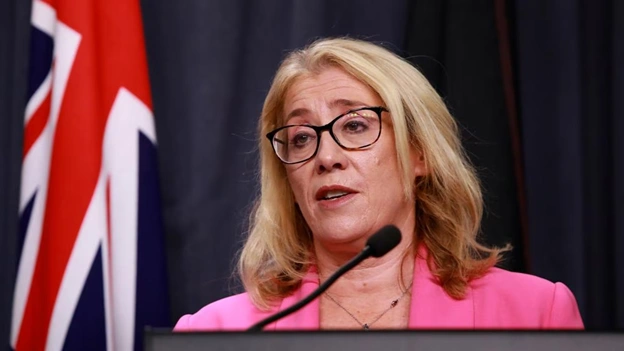
Figure 2: WA Treasurer Rita Saffioti [NewsWire]
Where It Happened
The budget covers Western Australia, Australia’s largest state by area and its foremost resource-producing jurisdiction. The fiscal outcomes reflect the state’s dominant role in iron ore, gold, and lithium exports, industries concentrated in regions including the Pilbara, Goldfields, and south-west WA. The budget’s ripple effects extend nationally, given WA’s outsized contribution to federal GST revenue collections and its ongoing dispute with other states over the GST distribution model.
When It Happened
Treasurer Rita Saffioti tabled the 2026/27 State Budget on Thursday, 7 May 2026. The upgraded $3.5 billion surplus reflects the 2025/26 financial year’s performance, driven by iron ore price gains recorded throughout 2025. The GST floor arrangement underpinning the state’s revenue advantage traces back to a 2018 decision by the Morrison Coalition government, subsequently maintained by the Albanese government.
Also Read: Trader Joe’s Releases New Summer-Themed Mini Insulated Tote Bags Ahead of May Launch
How It Happened and How It Will Play Out
Two primary forces drove WA’s fiscal position: iron ore prices and the federal GST floor mechanism.
The state originally benchmarked iron ore at US$97 per tonne in its budget forecasts. The average price in 2025 soared to US$104.70 per tonne, delivering a windfall that was only partly offset by the strength of the Australian dollar. Total mining royalties reached $11 billion for the year, with gold and lithium prices also contributing above-forecast returns.
The second driver sits in federal fiscal architecture. Under the 2018 GST floor deal, at least 75 cents in every dollar of GST revenue collected by the federal government returns to each state. This arrangement — championed by WA and resisted by several other states and economists — continues to deliver above-average GST receipts to Perth.
Saffioti took aim at interstate critics of the arrangement. “Instead of criticism from the other states, a simple thank you would be nice,” she said. “We will double down in our fight to protect the 2018 agreement and ensure Western Australia is not punished for our economic success.”
The Treasurer framed the budget’s overall intent as a stabilising force amid global uncertainty. “We will not be swept off course; this budget will support Western Australians in navigating our way through the changing and unpredictable swell,” Saffioti said.
The contrast with other states sharpens WA’s position. Victoria recorded net debt of $176 billion as revealed in its budget earlier this week, against WA’s $34.5 billion — the lowest per capita in the country.
Looking ahead, WA’s projected 2026/27 net debt rises to $40.2 billion, a 16.8 per cent increase, as the state scales up capital investment. Interest repayments grow from $1.3 billion to $1.5 billion, a 19.2 per cent increase. Unemployment sits at 4.0 per cent currently and the government forecasts it at 4.25 per cent in 2026/27. Economic growth stands at 3.25 per cent this year, with the government projecting 2.25 per cent for the following year.
WA Budget 2026/27 — Key Figures at a Glance:
Disclaimer: This article draws on information sourced from publicly available reports by the Australian Associated Press (AAP) and affiliated Australian Community Media publications dated 7 May 2026. All figures, statements, and policy details cited reflect information available at the time of publication. This article does not constitute financial, investment, or legal advice. Readers should consult official government sources or qualified professionals for guidance specific to their circumstances. The author and publisher accept no liability for decisions made on the basis of this content.


