
Risk sentiment around the whole world is high, with traders preparing for the event of knock-on impacts of a new Middle East war. The ASX and Wall Street both suffered pressure last week due to geopolitical events that rocked energy markets and investor confidence.
Australian markets closed down on increasing oil and safe-haven demand, with the US equities closing downwards on Friday, following tech and inflation fears that struck risk assets.
The Australian stocks fell slightly, and the S&P/ASX200 dropped by 7.1 points to 8,541.3, and the All Ordinaries fell by 3.9 points. Sentiment has to do with higher energy prices and global risk aversion.
At the same time, the S&P 500 of Wall Street fell by approximately 0.4 per cent,t and the Dow dropped by more than 1 per cent in a general risk-off positioning.
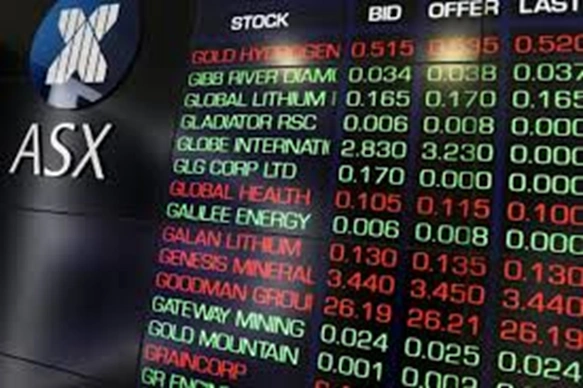
ASX and Wall Street respond to Middle East tensions with volatile investor flow changes. [SMH]
How Are Tensions Driving Oil And Currency Markets?
Oil prices have soared high because the risk of shipping interruption via major chokepoints is rising leading traders to re-examine their plans.
Brent crude has soared to more than 82 per barrel, an increase of more than 13 per cent in the recent sessions, and it is approaching record highs in more than a year. The reason why the jump was made is due to the possible shutdowns of vital sea routes and increased risks of conflict.
The safe-haven flows have also increased gold, copper and some currencies,s whereas the Australian dollar was weak and fell to 71 US cents.
The abrupt shift in commodities underscores the extent to which geopolitical risks can be transmitted across both the developed and developing markets.
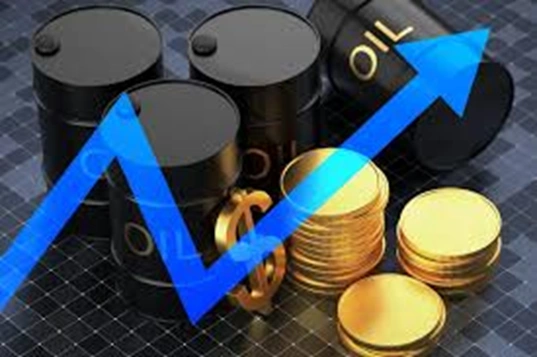
Commodities and currencies react as risk sentiment climbs and crude oil spikes. [Bookmap]
Why Are Investors Shifting To Safe-Haven Assets Now?
Greater conflict in the Middle East has led to an increased rush into what are considered to be safe assets, such as gold, US Treasuries and some of the currencies, such as the Swiss franc.
The traders are playing a haven-first game, and they are less exposed to equities and increasing their investments in less risky securities. Such actions are signs of fear of shocks in supplies in the future, inflationary pressures and possible central bank action.
An increase in energy prices makes production costs high, increases inflation risk and makes it hard to decide on the monetary policy.
According to Wall Street analysts, flight-to-quality is frequently triggered by unforeseen geopolitical events until there is no longer any uncertainty.
ASX Faces Sector Divergence Amid Global Risk Fallout
In spite of the general decline, not the entire Australian stock market has fallen in an equal manner, as the energy and gold sectors have been doing better.
Small businesses have been able to cope with small profits, which is ahead of bigger caps that are more burdened by sentiment. The stocks of resource and commodities tend to gain out of the conflicts-related price explosions, when the improved energy and precious metal prices increase their earnings perspectives.
Financial and technology names, on the other hand, have not been doing so well, reflecting the more general trends in the equity markets of the world.
The division indicates the interest of investors on commodity priced assets as opposed to the cyclicals, which are responsive to economic growth.
Wall Street’s Response Signals Broader Risk Aversion
On Wall Street, the sell-offs in the banking and growth sectors reflect how high levels of uncertainty impact even the deep markets.
The broader indices declined with money being refocused in settled assets, and some strategists believe the geopolitical risk still may be exerted on equities.
Also on the radar of the traders is macroeconomic data such as reports on upcoming inflation and jobs data, which can influence the interest rate expectations.
The central banks across the world can modify the course of the policy when the outlook of inflation alters because of energy price changes. This game of politics and economic statistics is the focus of the ASX vs Wall Street analysis.

Traders adapt to risk-off sentiment as markets wrestle with geopolitical and macro forces. [LinkedIn]
What Could Be The Near-Term Outlook For Markets?
As long as tensions remain high, markets can remain volatile in the near future. Equity indices may open on the very low side, especially following risk incidents during weekends.
The domination of price action may be by commodity markets, and the most common are energy and metals.
Analysts warn that hostility will be largely a factor of the duration of conflict, and these long-term hostilities will enhance the inflation risks and the gaps in performance between various asset classes.
Central bank responses, including potential postponements in interest rate reductions or new increases, may also be considered by traders in case inflationary pressure increases.
Also Read: Gold vs Silver: Crash Recovery Patterns for Australia and US Investors
FAQs
Q1. What is the ASX vs Wall Street analysis about today?
A1: It compares how Australian and US markets are reacting to rising geopolitical tensions and price movements.
Q2. Why do oil prices affect stock markets?
A2: Higher oil prices can increase costs, lower consumer demand and prompt equity sell-offs.
Q3. Which sectors benefit from global risk aversion?
A3: Energy, gold and safe-haven assets often rise when markets become risk-averse.
Q4. How might central banks respond to these market shifts?
A4: They may delay rate cuts or reconsider tightening if inflation persists due to energy spikes.