
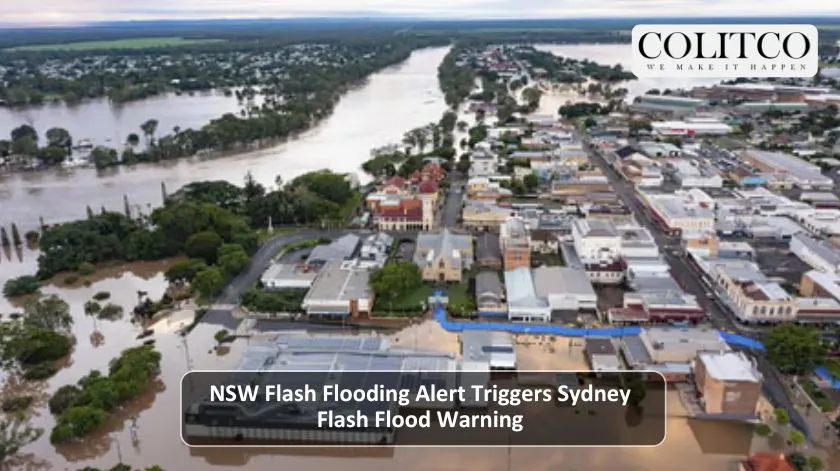
The issuance of a flash flood alert for New South Wales comes as a result of heavy rains that have created the most intense conditions in Sydney and large parts of the state. Authorities declare that flash flooding might occur very soon after the heavy rains have passed.
The alert has been issued for metropolitan Sydney, the Central Coast, the Hunter region, and so on, as weather systems are pushing moisture inland.
This is a continuation of the forecasts by the meteorologists, which have shown continual rainfall and storm activity. Residents are advised to keep a close watch on all the official warnings and safety advice as the situation changes.
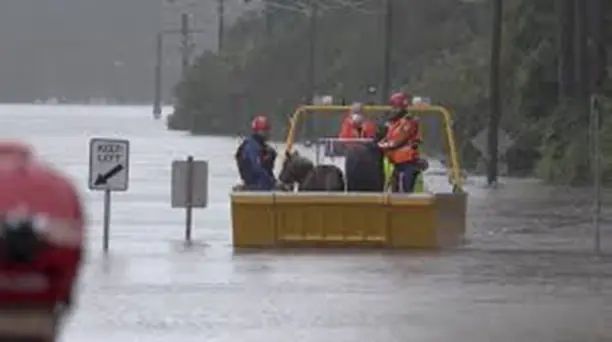
Flash flood alert issued as heavy rains hit NSW.
What Weather Conditions Are Causing The Alert?
The warning for flash floods in Sydney coincides with the invasion of thunderstorms and heavy rain bands all over the eastern part of NSW, which are accompanied by continuous rain. Some places around Sydney and its vicinity have reported rainfall of more than 70mm in just a few hours.
The large thunderstorms might release water in a very short span of time. The weather scientists have pointed out that the rain could be so heavy that it could not be handled by the local drainage system.
Thus, the flooding may take place in parts of the city that are less elevated than the surrounding areas and along river banks. The NSW severe weather warning alerts are still in effect for extensive areas that are experiencing the effects of the weather systems.
Who Is Most At Risk From Flooding?
The Greater Sydney area is the main focus of the NSW flash flooding alert, but surrounding areas are equally susceptible to floods. The Central Coast and the Hunter valleys are being affected by the rains, with their totals going up significantly.
The regions that are low-lying and situated near creeks, rivers, and storm drains are the most vulnerable as water surfaces there rise very quickly. It is advisable for drivers not to drive through flooded roads, and the same goes for pedestrians; they should not go near deep water sources.
The State Emergency Service has already put in place the necessary measures in the areas that are most likely to be affected and will help people if the situation worsens.

Greater Sydney and the surrounding areas face a significant flood risk.
What Are Officials Advising The Public To Do?
With the flash flood warning in Sydney, the authorities have made it clear that safety is the top priority for all residents. No matter the reason, people should absolutely never drive through flooded roads or enter areas with flowing water.
Just a few centimetres of water can easily push vehicles off the road. If heavy rain is occurring, stay inside if you can, and make sure that your pets and kids are with you.
Also, put away any objects that are outside, which may be blown away by strong winds. Residents are advised to keep track of the weather and to obey the orders of the fire department and other emergency services.
How Long Will The Severe Weather Warning in NSW Remain?
The Bureau of Meteorology has alerted that the heavy rain and stormy weather pattern might last for the next day or two. The thunderstorm areas are likely to expand and cause different parts of New South Wales to be hit by heavy rain.
Because the weather systems are moving slowly and erratically, the flash flood hazard is going to last for quite some time. Weather experts are on top of the situation and may increase the area of alerts if necessary. In other words, residents should be prepared to receive more alerts and safety messages in the days ahead.
BOM warns that heavy rain and storms are expected across NSW.
Is There A Broader Risk Beyond Flash Flooding?
Certainly, the present weather system presents several dangers besides the danger of flooding. The severe weather warning for NSW also includes the risk of violent winds and large hailstorms in some areas of the inland.
The coastal towns might experience very rough seas and erosion of the beach as the strong winds continue. Flash flooding is the main concern in the city and suburbs, but the overall trend indicates a challenging and troublesome weather event. Emergency services are prepared and positioned throughout the state to handle various weather-related incidents.
Also read: Australian Heatwave Emergency Sparks Widespread Bushfires, Evacuations Across NSW, WA, and Tasmania
Frequently Asked Questions
Q1: What does it mean when there is a warning for flash floods in NSW?
The warning for flash floods in NSW indicates that heavy rain may suddenly create floods in the affected areas, with almost no warning. People should keep a close watch on the situation and be prepared to take action quickly if necessary.
Q2: Is it safe to drive through water on the road if it is shallow?
No, it is not safe because even shallow floodwater may still be powerful enough to sweep away cars on the road. Therefore, it is always better to take another road rather than risking your safety by going through flooded areas.
Q3: Where can I find live updates during the Sydney flash flood warning?
The live updates can be checked at the Bureau of Meteorology and through official apps and broadcasts of the NSW emergency services.
Q4: How long do severe weather warnings usually remain in effect?
Warnings could be in effect for a few hours or even for several days, depending on the weather systems. It is best to check the latest updates for changing forecasts continually.


