
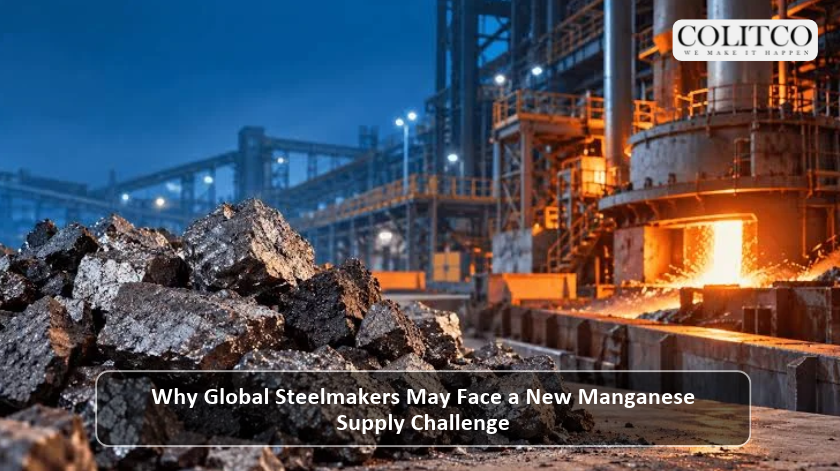
Steelmakers may soon have a new worry. Several African nations want to process more manganese at home before selling it abroad. That includes Côte d’Ivoire, Gabon and Ghana. The catch? Good high-grade ore is not easy to replace. If new plants run late, buyers could struggle to get it. Yet prices have mostly moved sideways this year, apart from a post-Iran War bump.
Why Is Manganese Important for Steel Production?
Manganese makes steel harder. It also reacts with refined iron to remove sulphur and prevent oxidation. A refined form called high-purity manganese sulphate, or HPMSM, goes into some lithium-ion batteries. Their cathodes help power long-range electric vehicles and store energy for the grid.
Its uses reach surprisingly far:
- Steelmaking: It toughens the metal and helps remove unwanted sulphur.
- Batteries: HPMSM is used in some cathodes for vehicles and energy storage.
- Farming: It has a specialised role in fertilisers.
- Fuel tanks: Aluminium alloys containing manganese help keep corrosion at bay.
- Water and energy: Copper and nickel alloys serve desalination plants and offshore oil facilities.
While 30 countries produce manganese now or have historically, five dominate supply. SFA Oxford names them as South Africa, Gabon, China, Australia and India.
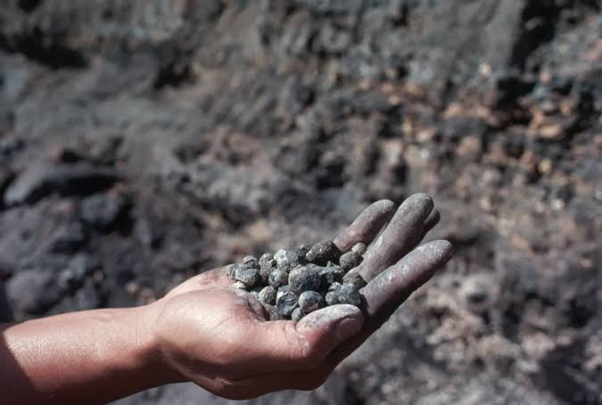
No manganese, no steel: a handful of countries supply most of this vital ore. [Newsweek]
What Is Causing Manganese Supply Shortages?
There is no confirmed widespread shortage yet. But high-grade supply bears watching. A big reason is resource nationalism. In plain terms, governments want more value from their minerals to stay at home.
Here is where pressure is building:
- Côte d’Ivoire: A November 9 policy aims to process 1.25Mtpa of manganese ore locally by 2040.
- Ghana: Raw manganese exports are due to end under a 2030 deadline.
- Gabon: A ban on raw ore exports is planned from January 1, 2029.
- Ownership rules: A proposal would lift Gabon’s minimum government stake in mines from 10% to 20%.
- Australia: Ageing operations mean production could start to fade.
Côte d’Ivoire is a smaller player. Its four mines produce just 1.8% of global supply, US Geological Survey data shows. Gabon produces over 9Mtpa, ranking second in the world. But can it power all the new processing plants? Its Mining Minister had to answer those concerns at this year’s Mining Indaba Conference. And if investors fall short of government requirements by the deadline, mines could sit idle.
Miners are already moving. France’s Eramet owns Moanda, the world’s largest high-grade manganese mine, through Eramet Comilog. The business has made silicomanganese locally since 2014. Now, Eramet plans to process up to 700,000tpa in Gabon by the end of 2031.
South Manganese Limited has also signed up to develop the M’Bembele project. It carries a price tag of 116.7bn Central African CFA francs, or A$295m. The plan is to produce dephosphorised manganese-silicon lump ore. Commissioning is due in November 2028 at 180,000tpa. Output should then ramp up to 1.08Mt a year from 2030.
How Does Manganese Supply Affect the Steel Industry?
If high-grade ore becomes scarcer, steel mills and refiners may have to pay more. China has plenty at stake as the world’s largest steel and battery producer. Gabon also ships to other markets, including the Middle East.
The trade numbers show how much is riding on Africa:
- South Africa: It sent China 17.42Mt of manganese ore in 2025.
- Ghana: Its exports to China reached 5.33Mt that year.
- Gabon: It shipped 3.79Mt to China over the same period.
- United States: Gabon supplied 64% of ore reaching the country from 2021 to 2024.
Gabon is among a handful of suppliers offering ore above 40% manganese. Australia’s Groote Eylandt and Woodie Woodie mines are also in that club.
Australia has its own headaches, though. Groote Eylandt Mining Company, run by South32 and Anglo American, is feeling rising costs. Known as GEMCO, it was reportedly weighing redundancies as it sought $129m in savings. A cyclone has also pushed its Southern Lease expansion back two years to 2029. If approved, mining there would run until 2033.
Things can turn quickly. In 2024, Cyclone Megan temporarily shut GEMCO’s port. Prices for 44% manganese ore jumped 22% in the June quarter. They later came back down as supply chains adjusted. A lasting drop in ore from Gabon and Australia would be far tougher to fix.
Where Could New Manganese Supply Come From?
New high-grade deposits are a rare find. Black Canyon believes it has one at Wandanya, near Newman in Western Australia’s East Pilbara. The site sits 80km south of Consolidated Minerals’ Woodie Woodie mine. The ASX-listed junior sees it as Australia’s most exciting manganese discovery in decades.
These are the key numbers:
- Manganese:6Mt at 25.8% manganese, using a 12% cut-off.
- Iron:5Mt at 54.9% iron.
- Higher grade:8Mt at 30% manganese, using a 20% cut-off.
- Direct shipping ore:7Mt at 38.9% manganese, using a 35% cut-off.
- Test results: Pilot-scale dense media separation produced 38.5-41% manganese products.
The larger Groote Eylandt operation only reaches the 44% benchmark after beneficiation. Australia’s last major manganese mine development was OM Holdings’ Bootu Creek. It started in 2005 with 11Mt at 27% manganese, using an 18% cut-off. Its mine life ran out in December 2021.
Next up for Black Canyon is a scoping study, due in the December quarter. Feasibility studies will follow. The company has also brought in Brett Suann as marketing consultant. Rathy Brandes De Roos has joined as principal technical services. In September, managing director Brendan Cummins called the resource a “company-making asset”.
Also Read: Flight Centre Data Breach Hit a System It Doesn’t Own
Frequently Asked Questions
Q1: Why Do Steelmakers Need Manganese?
A1: It makes steel harder and helps remove sulphur. SFA Oxford says just 5 countries provide most of the supply.
Q2: When Could Gabon’s Export Ban Begin?
A2: The planned start is January 1, 2029. Gabon currently produces over 9Mtpa of manganese ore.
Q3: How Much Ore Did China Receive From Key African Suppliers?
A3: South Africa shipped 17.42Mt and Ghana 5.33Mt in 2025. Gabon added another 3.79Mt.
Q4: Where Is the Wandanya Manganese Project?
A4: It is near Newman, 80km south of Woodie Woodie. The resource includes 23.6Mt at 25.8% manganese.
Disclaimer:
This article is based on Stockhead’s reporting on manganese supply and Black Canyon. It is general information only, not financial or investment advice. African export policies, project timelines and market conditions can change quickly. Wandanya’s resource estimates do not guarantee commercial production or returns. Please check company announcements and government sources. Seek independent professional advice before making any investment decisions.

Elizabeth Jones is a finance and mining content specialist with over 10 years of experience creating clear, SEO-driven content across fintech, investing, banking, insurance, cryptocurrency, and resource markets. She transforms complex financial data and industry trends into engaging, reader-focused articles that improve understanding and audience engagement.