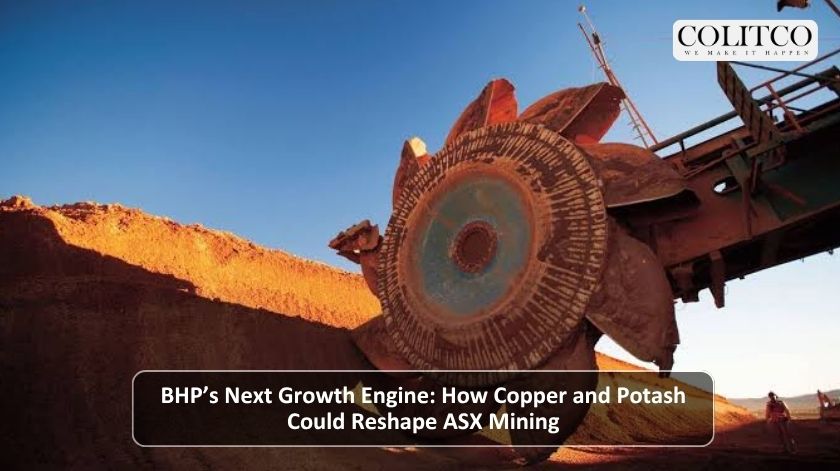
BHP is entering a major portfolio transition as copper gains importance. Potash is also nearing a significant production milestone. Meanwhile, iron ore remains a critical cash generator. Together, these commodities could reshape BHP’s growth profile by 2031. The company already ranks among the world’s largest mining businesses. However, its commodity exposure could look notably different within five years.
BHP Copper Growth Could Strengthen The Portfolio
Copper is becoming increasingly important to BHP’s long-term strategy. In FY26, copper contributed more than half of underlying EBITDA. BHP also supplied approximately 2 million tonnes, which is the same amount it supplied for the second successive year. Demand is favorable in a number of developing industries. These sectors-such as electrification, renewable energy, data centres and AI infrastructure-consume huge amounts of copper. BHP forecasts global demand will grow to approximately 34 million tonnes a year now. It expects demand to exceed 50 million tonnes by 2050. The company has growth options across Chile, South Australia, Argentina, and the United States. Management believes its pipeline could lift attributable production by around 40% by FY35.
The scale of this opportunity strengthens the BHP copper growth argument. Not every project will arrive within five years. However, the pipeline offers exposure to structural demand trends.
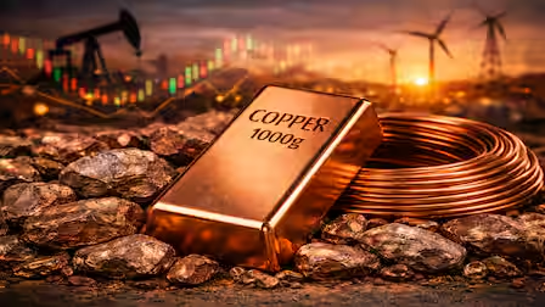
BHP’s copper pipeline could support long-term growth as global demand expands. [Zee Business]
Iron Ore Can Remain The Cash Foundation
Iron ore remains vital despite copper’s rising importance. BHP’s Western Australian operations remain major sources of cash. FY26 delivered record production and shipments from these operations. BHP also remains one of the world’s lowest-cost major iron ore producers. This position can support investment across newer growth areas.
China’s property sector remains a demand risk. However, BHP expects Chinese steel production to remain around 1 billion tonnes annually. That expectation covers the remainder of this decade. India is also becoming increasingly important for future steel demand. Infrastructure and industrial investment could support this expansion.
Iron ore therefore does not need to become the main growth engine. It can instead provide dependable cash flow for copper and potash investments.
The BHP Potash Strategy Gains Momentum
The BHP potash strategy becomes more tangible through the Jansen project in Canada. First production remains scheduled for mid-2027. Stage 1 is already well advanced. Stage 2 could eventually help lift combined output to around 8.5 million tonnes annually.
Potash gives BHP exposure to agriculture and food production. This creates a different demand driver from copper and iron ore. That diversification could become increasingly valuable over the next five years.
The strategy also gives investors several factors to monitor:
- Copper could increase exposure to electrification and technology demand.
- Iron ore can continue providing substantial cash flow.
- Potash could diversify earnings as Jansen ramps up.
The combination creates a broader commodity portfolio. It also reduces dependence on one long-term demand theme.
Key Risks Could Still Reshape The Five-Year Outlook
BHP remains exposed to commodity price cycles. Copper and iron ore prices can materially affect earnings. They can also influence shareholder returns and dividend payments.
Project execution remains another important consideration. Jansen and future copper developments require significant capital. Cost increases could weaken expected project returns. Delays could also affect production growth and capital allocation.
Investors should therefore consider growth potential alongside cyclical exposure. BHP’s dividend may fluctuate with market conditions. It should not be viewed as a perfectly stable income stream.
Three risks deserve particular attention:
- Commodity prices could weaken faster than expected
- Large projects could face cost or execution pressures
- Dividend returns could fluctuate through commodity cycles
These factors could influence whether BHP delivers its expected five-year investment case.
Why BHP ASX Mining Could Look Different By 2031
For BHP ASX mining investors, the portfolio direction is increasingly clear. Copper provides the strongest structural growth narrative. Iron ore offers a proven cash-generation platform. Potash adds a new agricultural demand exposure.
This combination could make BHP’s portfolio more diversified by 2031. Copper may become increasingly important to earnings. Iron ore can continue supporting the balance sheet. Potash could provide another long-term growth stream.
The key question remains execution across these assets. Commodity cycles will continue creating uncertainty. Yet BHP’s strategy offers exposure to several major global trends.
For investors considering the next five years, the BHP potash strategy could become a defining growth theme. Copper may provide the strongest structural upside. Iron ore can support funding. Potash can broaden the portfolio beyond traditional mining demand.
Also Read: Global Energy Stabilisation Plan: Coordinated Reserve Injection Targets Diesel Supply Crunch
FAQs
Q1: What is the BHP potash strategy?
A1: The strategy centres on developing Jansen in Canada. First production is scheduled for mid-2027.
Q2: Why is BHP copper growth important?
A2: Copper contributed more than half of underlying EBITDA in FY26. Demand could also rise strongly through 2050.
Q3: What role will iron ore play for BHP?
A3: Iron ore can remain a major cash generator. That cash can help fund future copper and potash growth.
Q4: Could BHP’s portfolio change by 2031?
A4: Yes, copper and potash could become increasingly important within BHP’s commodity mix. Iron ore should remain significant.
Disclaimer
This article uses the provided data to consider BHP’s strategy for these three commodities -copper, iron ore, and potash. It is provided for general information only. Commodity prices, project results, production volume, dividends and company performance may vary significantly. Investors are advised to make their own investment evaluation. This article does not provide any financial advice, offer or recommendation to purchase or sell BHP shares.

Elizabeth Jones is a finance and mining content specialist with over 10 years of experience creating clear, SEO-driven content across fintech, investing, banking, insurance, cryptocurrency, and resource markets. She transforms complex financial data and industry trends into engaging, reader-focused articles that improve understanding and audience engagement.