Queensland’s latest mining lease decision gives Lake Vermont a firmer path towards underground development. The regional effect could reach beyond the people employed at the mine, although contracts and construction timing still matter. In this article, we examine what the extension would change, how existing infrastructure fits the plan and which details will determine how much nearby businesses actually benefit.
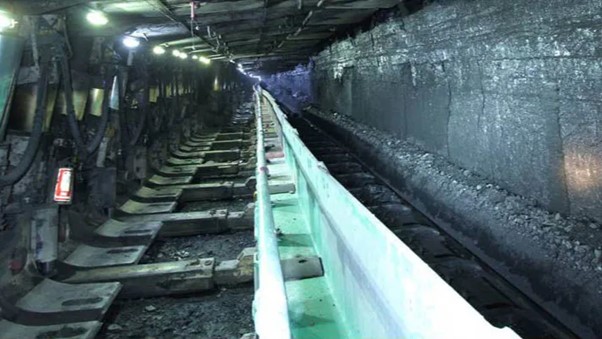
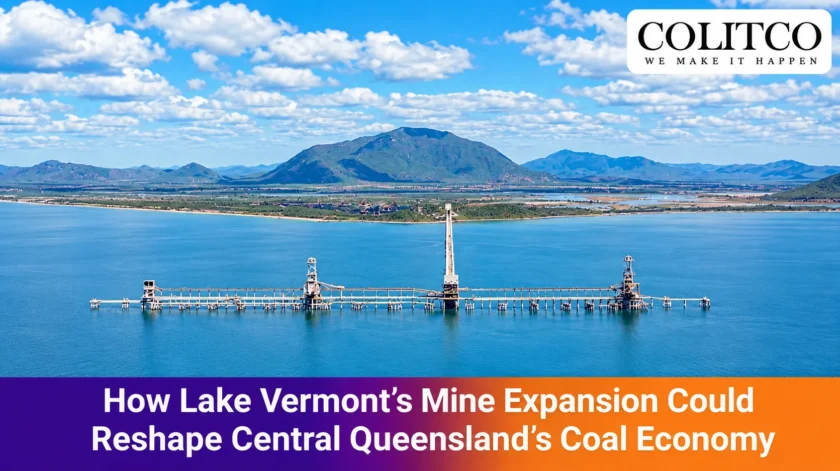
Figure 1: Lake Vermont coal mine near Dysart, Central Queensland. Credit: Bowen Basin Coal Mines, via Mining.com.au.
Moving Underground Could Sustain Output as Open-Cut Production Declines
What is happening at Lake Vermont coal mine? Queensland announced a 25-year mining lease on 27 November 2026 for the proposed AUD 1.3 billion extension. The government says the development could support approximately another 20 years of operation.
The Lake Vermont Meadowbrook Project would introduce underground longwall mining and a satellite open-cut pit north of the existing operation.
Its production objective needs careful reading. The planned underground output would help replace declining production from the existing open-cut mine, keeping combined saleable output around nine million tonnes a year.
That is different from adding another nine million tonnes to current shipments.
Reusing Processing and Rail Facilities Keeps Investment Connected to an Existing Operation
The project plans to wash coal through Lake Vermont’s existing preparation plant and use its train-loading facilities.
That gives the extension established infrastructure to work with. It also means the underground mine must deliver material at a rate and quality that suit the wider operation.
The commercial task is therefore to bring replacement production online at the right time.
Colitco’s coverage of Stanmore’s Moranbah South acquisition and its infrastructure opportunities examines a related Bowen Basin strategy: developing resources that could make use of facilities already nearby.
The Employment Figure Describes the Combined Workforce
The reported workforce estimate is 860 people at full development, divided between 450 open-cut roles and 410 underground roles.
It does not establish that the extension creates 860 new jobs on top of the existing workforce. Nor should it be treated as a construction employment estimate.
| Project Measure | Reported Figure | How to Read It |
| Proposed investment | AUD 1.3 billion | Project value, not spending already completed |
| Mining lease | 25 years | Tenure granted for the extension |
| Additional operating life | Approximately 20 years | Government expectation for the development |
| Combined operational workforce | 860 people | Includes open-cut and underground roles |
| Combined saleable output | Approximately 9Mt annually | Intended to sustain production as open-cut output declines |
For workers, the underground component also changes the mix of experience the operation will need.
Longwall mining requires different equipment and operating skills from open-cut mining. Recruitment and training plans will show how the developer intends to meet those requirements and whether existing employees have opportunities to move into new roles.
Local Suppliers Could Gain a Longer Pipeline of Work
The Lake Vermont mine expansion could affect a supplier’s decisions well before coal from the extension reaches a train.
A maintenance business might consider taking on apprentices. An equipment supplier could assess whether to carry more spare parts locally. Transport and accommodation businesses may review their capacity once workforce and construction schedules become clearer.
Those are possible responses, rather than announced commitments.
The amount retained in the region will depend on who wins the work, where employees live and which services are purchased locally. A large project budget cannot be assumed to flow entirely into Dysart or nearby towns.
Steelmaking Demand Will Still Shape the Mine’s Returns
Lake Vermont produces hard coking coal and pulverised coal injection coal for export. These products serve steelmaking markets.
A longer operating life gives the business more years in which to sell coal. It does not lock in the price customers will pay.
This matters to the broader Central Queensland coal mining economy. A mine can remain open while changing its spending plans in response to weaker prices or higher costs.
The extension therefore offers a potential source of continuity for the region, with the usual commercial pressures still attached.
The Lease Moves the Project Forward, but Delivery Details Remain Important
The latest announcement did not provide a construction start date. That leaves several practical checkpoints for communities and businesses following the project:
- A confirmed development schedule and the sequence of major works.
- Procurement opportunities and the timing of contract awards.
- Recruitment and training plans for underground operations.
- Progress towards supplying replacement coal as open-cut production declines.
These details will help distinguish work that is approaching from activity that remains further down the development schedule.
The Regional Benefit May Be Continuity Rather Than a Sudden Boom
Colitco’s assessment is that Lake Vermont’s strongest regional contribution could be extending an existing source of employment and business demand.
The expansion is designed to sustain output, so its significance is not captured by looking only for a rise in annual tonnes. A longer operating horizon could matter to workers deciding where to live and suppliers deciding whether to invest.
The next test is delivery. Construction dates, contracts and workforce plans will show how the approved extension begins translating into paid work across Central Queensland.
ALSO READ: Yancoal’s Kestrel Deal Expands Its Queensland Coal Portfolio
FAQs
Will the Extension Add Nine Million Tonnes to Annual Production?
No. The objective is to maintain combined saleable production at approximately nine million tonnes annually as output from existing open-cut operations declines.
Does the Project Create 860 Additional Jobs?
The reported 860 positions represent the combined operational workforce at full development. They are not identified as 860 additional jobs.
Has a Construction Start Date Been Announced?
The 27 November lease announcement did not specify a construction start date. A confirmed development timetable remains an important next update.
How Could Businesses Outside the Mine Benefit?
Potential opportunities include equipment maintenance, transport, accommodation and other contracted services. Actual benefits depend on procurement decisions, workforce arrangements and the project’s delivery schedule.
Disclaimer: This article provides general information, not financial advice. Project details reflect information available on 28 November 2026. Employment, investment and production figures are estimates or plans, not guarantees of future activity. Approvals remain subject to their applicable conditions.

Luke Carlino is a seasoned Copywriter, Content Strategist, and Social Media Manager specialising in Mining, Finance, and Business journalism. With more than a decade of industry experience, he brings rigorous editorial standards and commercial acuity to every project.