The case for owning both retailers starts with where Australians spend their money. Bunnings sells to tradespeople as well as weekend renovators. Kmart competes for the household shopper looking to spend less.
Coles gets a fresh chance to win the grocery basket every week. For shareholders, the comparison comes down to how much profit each business keeps from those sales and what it costs to buy a share of that profit.
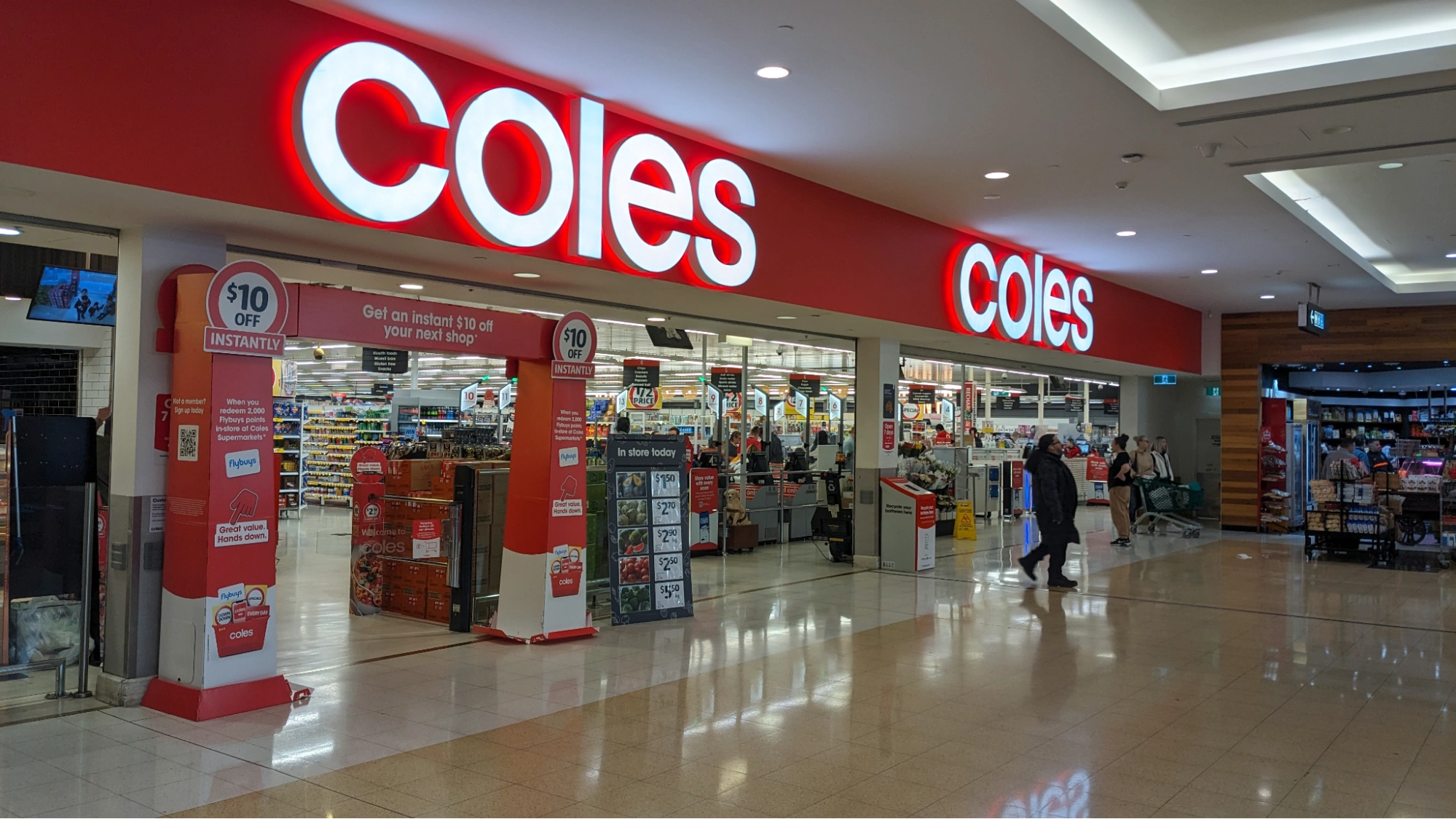
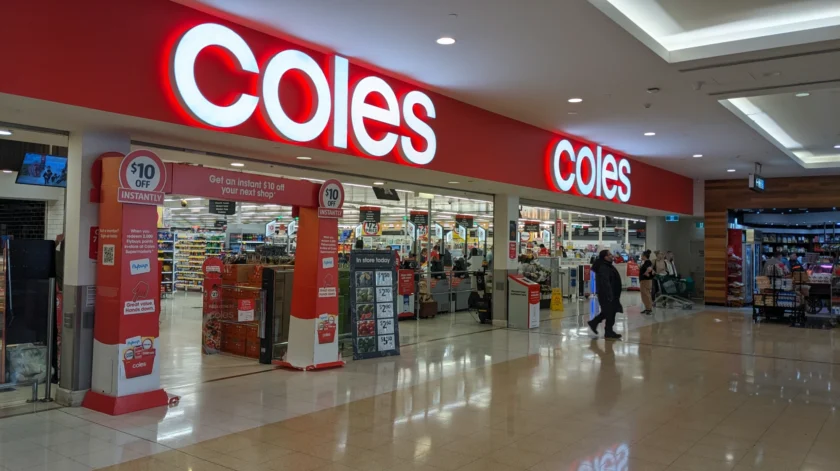
Figure 1: Coles at Plenty Valley Shopping Centre in Mill Park, Melbourne, photographed on 10 June 2024. Credit: Philip Mallis
What Does the Higher Price of Wesfarmers Shares Buy?
Buying Wesfarmers shares gives an investor more than a stake in Australian shops. Bunnings and Kmart were among the strongest earnings contributors in FY26, but so was WesCEF, the group’s chemicals, energy and fertilisers business. A view on retail spending alone therefore misses part of the investment case.
There is a useful distinction even within Bunnings. A new deck can wait. A tradesperson replacing a broken tool may need it that morning. Kmart faces another set of buying decisions: a household might postpone buying furniture but trade down to a cheaper retailer when the children need winter clothes. Wesfarmers has several ways to retain a customer’s spending, even when the customer changes what goes in the trolley.
The financial test is whether that reach produces enough additional cash to justify the share price. FY26 revenue rose 3.4% to AUD 47.3 billion, and profit after tax excluding significant items rose 8.3% to about AUD 2.9 billion.
Operating cash flow moved the other way, falling 6.5% to AUD 4.3 billion. One year does not establish a trend, but it gives shareholders a specific question for the next result: does cash generation catch up with earnings growth?
Why Can Coles Grow Earnings Faster Than Grocery Sales?
The attraction of Coles shares starts with repeat purchases. The more interesting part is how much difference a small improvement at the checkout or in the supply chain can make across a national supermarket business.
In FY26, Coles lifted its supermarket operating margin by 0.43 percentage points. That sounds modest. On every AUD 100 of sales, though, it amounts to an extra 43 Australian cents in earnings before interest and tax. Across the division, supermarket earnings on that measure rose 12.2%.
Online orders offer another test. Supermarket e-commerce sales grew 26.4% to AUD 5.6 billion. Coles also reported that its customer fulfilment centres produced positive earnings before interest, tax, depreciation and amortisation in their second year.
That matters because somebody has to pick and pack each online basket. It is an encouraging operating milestone, although it does not establish that the centres have earned back their construction cost.
How Do the Two Retailers Compare at the Same Date?
The larger dividend per share belongs to Wesfarmers. The higher yield belongs to Coles. The difference is the price an investor had to pay to receive each dividend.
| Measure | Wesfarmers (ASX: WES) | Coles (ASX: COL) |
| Closing share price, 13 November 2026 | AUD 80.82 | AUD 22.24 |
| FY26 basic earnings per share | 253.4 Australian cents | 81.5 Australian cents |
| Price divided by FY26 basic earnings | 31.9 times | 27.3 times |
| FY26 full-year dividend per share | 222 Australian cents, ordinary dividend | 78 Australian cents |
| Historical cash dividend yield | 2.7% | 3.5% |
The earnings multiples use reported basic earnings, rather than adjusted profit. Yields use FY26 dividends, exclude franking credits and do not forecast the next payment.
At those prices, an investor paid about 17% more for each dollar of Wesfarmers’ reported earnings than for a dollar of Coles’ earnings. Wesfarmers could justify that premium if its businesses deliver stronger growth over time. Coles has a lower hurdle on this comparison, but 27.3 times past earnings still leaves room for disappointment if supermarket margins slip.
Colitco’s comparison of five ASX businesses and their outlook to 2030 looks more closely at that risk: even when a company delivers the earnings shareholders expected, their return still depends on the price they paid.
What Should Investors Watch in the Next Retail Updates?
For readers comparing the best Australian retail stocks, three figures will say more than a headline about busy stores:
- At Bunnings and Kmart, compare sales growth with earnings growth. Higher sales are more valuable when the retailer keeps more of each dollar. Heavy discounting can fill stores without doing much for shareholders.
- At Coles, check supermarket margins alongside online growth. A bigger delivery business is useful if the cost of picking, packing and transporting each order leaves enough profit. Revenue alone cannot settle that question.
- At both companies, follow the dividend back to cash. Compare operating cash flow with spending on stores, equipment and distribution. The cash left after that work is a better guide to the room for future dividends than the latest increase in sales.
The choice is less about which retailer Australians know better and more about what the buyer expects next. Wesfarmers offers several sources of earnings, at a higher price relative to last year’s profit. Coles offers more direct exposure to grocery spending and, at the November close, more dividend income per dollar invested.
For Wesfarmers, the next useful evidence is stronger cash generation. For Coles, it is whether the supermarket can hold on to the extra 43 cents it earned per AUD 100 of sales.
Also Read: Australia’s Business Outlook Shifts as Global Market Confidence Faces a Fresh Test
FAQs
Does Buying Wesfarmers Shares Give Investors Ownership of Coles Supermarkets?
No. Coles Group and Wesfarmers trade separately on the ASX. Investors seeking direct exposure to Coles supermarkets buy shares under the ticker COL. Wesfarmers trades under WES.
Which Retailer Offered the Higher Dividend Yield?
Coles, at about 3.5% compared with 2.7% for Wesfarmers, using FY26 dividends and the closing prices on 13 November 2026. Future dividends and yields can change.
Does a Lower Earnings Multiple Make Coles the Better Investment?
Not on its own. A lower multiple means investors pay less for each dollar of past earnings. The eventual return depends on future profits, dividends and the valuation when the investor sells.
Does Owning Both Companies Diversify a Retail Portfolio?
It spreads exposure across groceries, hardware, value retail and Wesfarmers’ industrial businesses. Both companies still face Australian wage, freight and household spending pressures, so some risks remain shared.
Disclaimer: This article provides general information, not personal financial advice. Share prices are historical closing figures, and dividends are not guaranteed.

Luke Carlino is a seasoned Copywriter, Content Strategist, and Social Media Manager specialising in Mining, Finance, and Business journalism. With more than a decade of industry experience, he brings rigorous editorial standards and commercial acuity to every project.