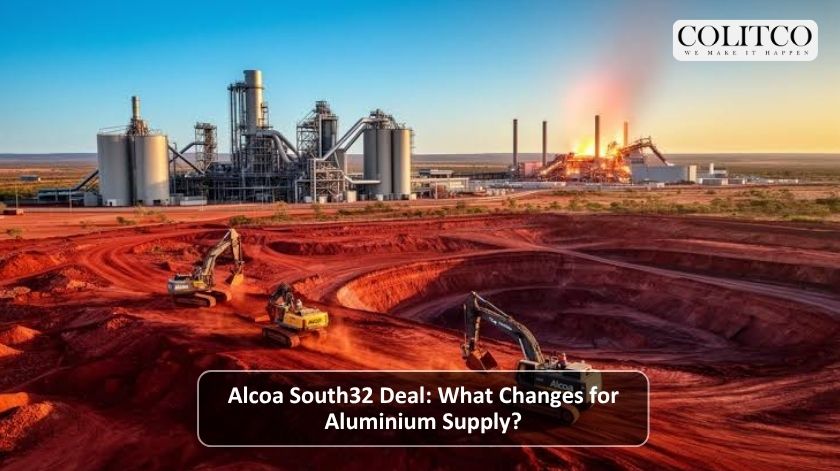
The Alcoa South32 deal passed another milestone on 15 October 2026, when South32 shareholders approved the transaction.
Alcoa’s presentation also confirmed that financing had progressed. The company completed a US$2.6 billion debt issue in September to help meet the acquisition’s cash consideration.
The expected closing period remains the first half of 2027. Regulatory approvals and other conditions still have to be satisfied.
For aluminium buyers and mining investors, the immediate question is what changes at the plants. A larger company production figure can reflect assets changing hands. An increase in global supply requires those operations, or others, to produce additional tonnes.
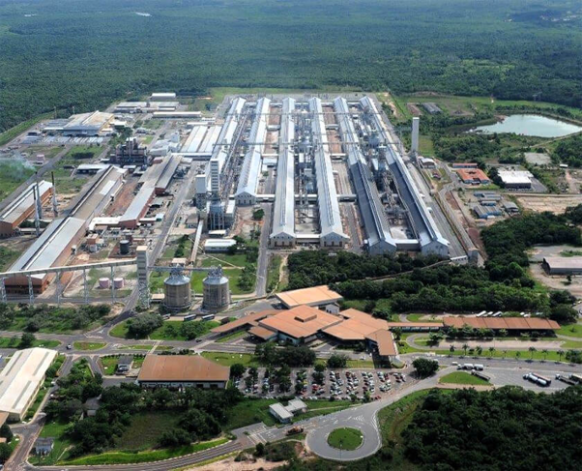
Figure 1: The Alumar complex in Brazil. Alcoa’s October presentation reports that the Alumar smelter restart has been completed. Archive image. Credit: Alcoa.
Existing Production Would Move Into Alcoa’s Portfolio
The proposed transaction covers South32’s equity interests in certain bauxite, alumina and aluminium assets, grouped under AliGroup. It is not an acquisition of the whole South32 business.
Alcoa’s presentation sets out the scale of the enlarged operation using annualised figures based on the first six months of 2026.
| Production measure | Alcoa standalone | Pro forma combined business |
| Alumina | 9.1 million tonnes | 14.2 million tonnes |
| Aluminium | 2.5 million tonnes | 3.3 million tonnes |
The difference is substantial for Alcoa: approximately 5.1 million tonnes of alumina and 800,000 tonnes of aluminium on the presentation’s annualised basis.
Those tonnes should not be counted as an equivalent addition to global supply. The comparison brings existing production from the acquired interests into the combined business.
These are also historical, annualised illustrations. They are not a forecast for 2027 or a statement of new production capacity.
Colitco’s earlier coverage of the South32 AliGroup prospectus provides background on the proposed asset transfer and transaction structure.
Alumina and Aluminium Need Separate Supply Checks
The two production figures describe different products.
Alumina is the material refined from bauxite and used by smelters to make aluminium metal. A rise in the combined company’s alumina output cannot be added to its aluminium tonnes as though both were finished metal.
The Alcoa South32 aluminium supply picture therefore has two parts. Investors need to consider refinery performance as well as the output of the smelters using that material.
A refinery can have a strong quarter while a smelter faces an interruption. Equally, a smelter needs dependable raw-material deliveries to maintain production.
The acquisition would give Alcoa a larger operating base across these stages. Whether that produces better reliability or lower costs will depend on how the assets perform and how the businesses are integrated.
The October presentation does not quantify additional aluminium supply arising specifically from integration.
Smelter Restarts Have a More Direct Effect on Available Metal
Alongside the acquisition update, Alcoa reported progress in its existing operations.
Its presentation said the Alumar smelter restart had been completed. It also listed completed restarts at San Ciprián and Alumar among the company’s strategic achievements.
Alcoa reported an increase of approximately 15,000 metric tonnes in aluminium production during the third quarter. It also pointed to six year-to-date production records and a recovery in performance at the Pinjarra alumina refinery.
These operating developments are more directly connected to physical supply than the ownership transfer.
Even so, a completed restart still needs to be followed by sustained production. The next operating reports will show how much metal the restarted facilities deliver over a full reporting period.
The acquisition and the restarts should therefore be tracked separately. They affect Alcoa’s business in different ways, and combining them into one growth number would obscure what actually changed.
Shareholder Approval Leaves Other Conditions Outstanding
The shareholder vote was an important step, but the transaction has not closed.
Alcoa says regulatory approval work is progressing across key jurisdictions. Transition and integration teams are also preparing for the proposed combination.
| Milestone | Status in the presentation |
| Definitive agreement announced | 30 June 2026 |
| US$2.6 billion debt financing | Completed in September 2026 |
| Registration statement declared effective | September 2026 |
| South32 shareholder approval | Received on 15 October 2026 |
| Transaction closing | Expected in the first half of 2027 |
| Remaining requirements | Regulatory approvals and other conditions |
Price-Linked Payments Affect the Economics of the Deal
The agreement also includes contingent value rights, with payments capped at US$750 million across four annual assessment periods beginning on 1 July 2026.
These payments depend on the agreed aluminium and alumina pricing terms. The cap is a maximum, not a payment already due or guaranteed.
For investors assessing the acquisition, this means the final cost can vary with commodity-market conditions.
For supply, the connection is less immediate. A contingent payment transfers money under the transaction terms; it does not itself fund or commission a new potline.
The distinction helps keep the Global aluminium supply outlook grounded in operating evidence. Changes in production, restarts, closures and new capacity need to be assessed separately from the purchase price of existing assets.
The Combined Earnings Figures Are an Illustration
Alcoa also presented a comparison of first-half 2026 financial performance.
| Measure | Alcoa standalone | Pro forma combined |
| Sales | US$7.2 billion | US$9.1 billion |
| Net income | US$0.8 billion | US$1.0 billion |
| Diluted earnings per share | US$3.13 | US$3.55 |
The combined figures show how the businesses would have looked together under the stated assumptions. They are not earnings already reported by an enlarged Alcoa.
The presentation says the pro forma information is subject to adjustments and excludes integration costs, cost savings and transaction synergies. It also cautions that the figures do not indicate future results.
Colitco’s previous South32 strategy coverage gives further context on the company’s portfolio changes.
Watch Plant Output After the Ownership Change
The deal would make Alcoa a larger alumina and aluminium producer. The October update brings that outcome closer, with shareholder approval secured and debt financing completed.
The supply effect still has to be measured at the operations.
Investors should watch the remaining approvals, the eventual handover and production from the enlarged portfolio. Alumar and San Ciprián’s output after their restarts will also deserve attention.
For now, the evidence supports a change in ownership and corporate scale. Any lasting increase in metal available to customers will have to appear in production and shipment figures.
ALSO READ: Rio Tinto Commissions New Alumina Conveyor at Kitimat
FAQs
Q1. Is the Alcoa South32 transaction complete?
Ans. No. The transaction has been approved by South32 shareholders on 15 October 2026 but is still subject to regulatory approvals and other conditions.
Q2. When do you plan to finish the project?
Ans. The transaction is anticipated to close in the first half of 2027.
Q3. Does the deal add 800,000 tons to world aluminum supply?
Ans. No. That is the approximate difference between Alcoa’s standalone and combined annualised production figures. It reflects existing production being included in the enlarged business.
Q4. What should investors watch next?
Ans. Remaining approvals, closing arrangements, integration spending and actual refinery and smelter output.
Disclaimer
This article is solely for informational purposes. The transaction terms, financial illustrations and expected dates are based on the filing provided and are subject to change. Investors should review the complete transaction documents before making any investment decisions. Investing involves a risk of loss of capital. No financial advice is provided in this article.

Luke Carlino is a seasoned Copywriter, Content Strategist, and Social Media Manager specialising in Mining, Finance, and Business journalism. With more than a decade of industry experience, he brings rigorous editorial standards and commercial acuity to every project.