Owning BHP Group Ltd (ASX: BHP) shares has rewarded Australian income investors for over a decade. A fresh BHP shares Australia investment case is building again for FY27.
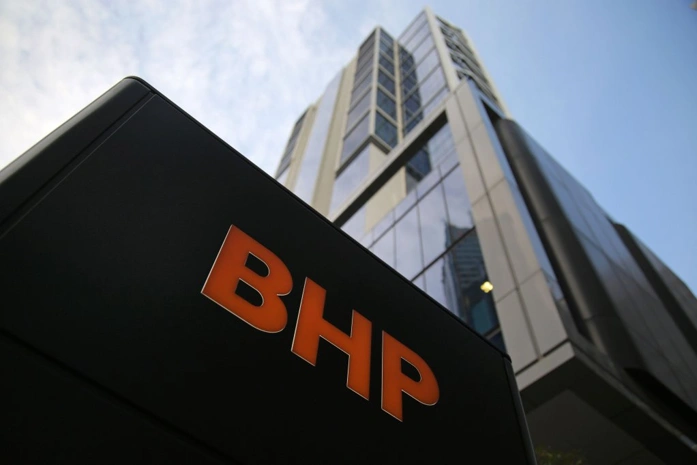
Figure 1: BHP office building [Courtesy: Bloomberg]
Iron ore prices remain firm, and copper exposure is growing across the business. This combination could keep the BHP passive income strategy Australia investors rely on intact.
Why BHP Attracts Income Investors
BHP has paid dividends consistently through multiple commodity cycles over the past decade. This track record supports its position within many income-focused Australian portfolios.
The Company’s scale allows it to generate strong free cash flow even during softer periods. That cash flow underpins the dividends central to any BHP passive income strategy Australia investors consider.
What Is Driving The BHP Passive Income Strategy Australia
There is a reason BHP shares tend to offer attractive dividend yields. Big miners usually trade at lower price-to-earnings ratios than most other sectors.
Iron ore earnings are highly volatile, primarily because they depend on Chinese demand. And while iron ore stumbles around the US$100 per tonne mark, profits will remain attractive enough for BHP directly.
Iron Ore Price Dynamics
Iron ore pricing depends heavily on Chinese steel production and infrastructure spending. Any softening in Chinese construction activity can quickly weigh on BHP’s earnings.
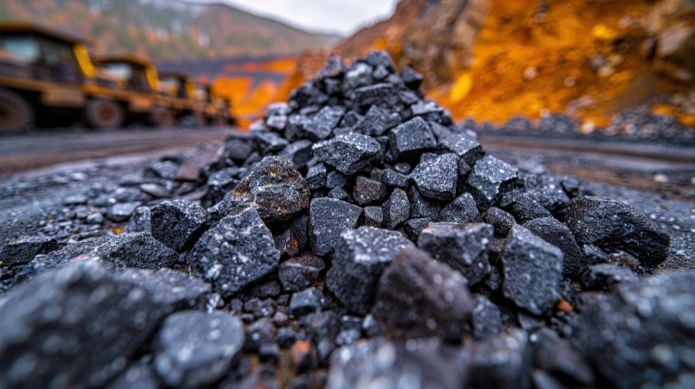
Figure 2: Iron ore stockpile at a mining operation [Courtesy: Big Bang Exports]
Supply-side changes also matter, particularly rising output from West African producers. Increased competition could pressure iron ore prices lower over the coming years.
The Copper Growth Story
Copper is quietly becoming a bigger slice of BHP’s earnings pie. Demand keeps climbing as the world builds out electrification and renewable energy infrastructure.
This diversification could smooth out earnings volatility tied to iron ore alone. A steadier earnings base may support more reliable dividends for the BHP passive income strategy Australia investors are watching.
Why This Matters For Income Investors
Passive income from resources shares depends heavily on commodity price cycles. Investors weighing BHP shares Australia investment need to understand this volatility upfront.
According to the sources, data shows miners often reward shareholders through generous payout ratios. This keeps BHP a familiar pick within any BHP passive income strategy Australia investors are building.
Figure 3: Investment concept representing passive income strategy [Courtesy: Magnific]
Dividend History Context
BHP’s dividends have fluctuated with commodity prices rather than following a fixed payout schedule. Investors should expect variability rather than a steadily climbing dividend each year.
Franking credits have historically added meaningful value on top of headline dividend yields. This remains a key reason BHP appeals to income-focused Australian shareholders.
Who And Where This Applies
BHP Group Ltd operates mining assets across Australia and several international regions. Its iron ore and copper divisions remain central to future earnings potential.
Australian retail investors researching a BHP passive income strategy Australia can access these shares directly. The Company trades on the ASX under the ticker code BHP.
International Operations
BHP runs significant copper operations in Chile and Peru through Minerals Americas. It also holds potash development interests in Canada through the Jansen Project.
These international assets diversify BHP’s earnings beyond Australian iron ore alone. This global footprint is part of why analysts continue tracking BHP shares Australia investment closely.
When The Passive Income Could Be Paid
This analysis was published 11 Jul 2026, based on CommSec’s dividend estimates. CommSec forecasts BHP could pay an annual dividend of $2.06 per share in FY27.
That estimate depends heavily on commodity prices staying supportive through the year. Rising African iron ore supply could pressure prices lower, while stronger Chinese demand could lift them.

Figure 4: Passive income concept illustration [Courtesy: Magnific]
Timing Considerations For Investors
BHP typically pays dividends twice yearly, split between interim and final payments. Investors should factor in this payment schedule when planning any income strategy.
Dividend estimates can shift as new production and pricing data becomes available. Investors following a BHP passive income strategy Australia should revisit forecasts closer to payment dates.
How Much To Invest For $1,000 In Dividends
In fact, to net the anticipated FY27 dividends of $1,000, one would need 486 BHP shares. At current valuations, that stake would price in at approximately $27,415.
Add franking credits into the mix and your yield on a grossed-up basis is 5.2%. It’s less than a year old, simply because the share has almost jumped 50% since then.
Scaling The Numbers
Investors seeking $2,000 in annual passive income would need around 972 BHP shares. That level of BHP shares Australia investment would cost close to $54,830 at current prices.
This strategy is not just for big portfolios, either. Even a modest 50 shares could still bring in around $103 a year in dividends.
Key Risks For Investors
Commodity price swings remain the biggest risk facing any BHP dividend strategy. A sharp fall in iron ore or copper prices could quickly reduce future payouts.
Currency movements and global economic slowdowns can also affect BHP’s earnings. Investors should weigh these risks carefully before committing significant capital to a BHP passive income strategy in Australia.
Concentration Risk Specifically
Holding only BHP, or only mining shares generally, ties income to one commodity cycle. Diversifying across sectors can reduce how hard a single downturn hits total income.
Investors should treat BHP as one part of a broader income portfolio. This approach helps protect against sudden shifts in iron ore or copper pricing.
Industry Outlook
Global iron ore demand remains closely tied to Chinese infrastructure and steel output. Copper demand continues rising alongside electrification and renewable energy investment worldwide.
Analysts expect diversified miners like BHP to benefit from both established and emerging commodity market trends over the coming years.
Market Sizing Perspective
According to industry estimates, demand for copper is expected to rise sharply in the coming decade. It is the likes of electric vehicles, grid upgrades and renewable energy projects that are driving that growth.
Miners already sitting on solid copper exposure, BHP included, stand to gain the most. This structural demand shift supports long-term interest in BHP shares as an Australian investment among income and growth investors alike.
Future Direction And Impact
The next twelve months will tell investors whether BHP’s dividend can hold its ground.
Impact on Australian income investors
BHP’s growing copper exposure could stabilise future dividends against iron ore volatility. This shift may reshape how investors approach any future BHP passive income strategy in Australia.
Commodity price swings will keep shaping dividend outcomes through FY27 and beyond. Investors should monitor quarterly production updates and resources sector news closely.
Impact on portfolio construction
Investors relying on BHP for passive income may need to reassess allocations as copper grows. A larger copper contribution could change how BHP’s dividend behaves across future commodity cycles.
This makes ongoing monitoring important for anyone running a long-term BHP passive income strategy in Australia. Keeping an eye on ASX announcements, annual reports and dividend guidance is a simple way to stay ahead of these shifts.
ALSO READ: Culpeo Minerals Launches Entitlement Issue to Fund Copper Exploration Growth in Chile
FAQ
Q1. How many BHP shares are needed for $1,000 passive income?
Ans. Around 486 BHP shares, based on a forecast $2.06 dividend per share.
Q2. What is driving the current BHP passive income strategy Australia investors are watching?
Ans. Firm iron ore prices and growing copper exposure support the dividend outlook.
Q3. Can any Australian invest in BHP shares?
Ans. Yes, any adult resident with a brokerage account can buy ASX-listed shares.
Q4. What is the biggest risk to a BHP dividend strategy?
Ans. Commodity price swings in iron ore and copper are the main risk.
Disclaimer
This article is meant only for informational purposes. If you are an investor who is watching BHP closely, all the data published in the content is sourced from ASX announcements and external sources. Kindly verify all the information related to the share price and market data. Any investment should be made at the investor’s own risk. Colitco does not hold any position in the above-mentioned Company.
Source
- https://www.fool.com.au/2026/07/11/how-much-must-i-invest-in-bhp-shares-to-earn-a-1000-passive-income-in-2027/
- https://www.fool.com.au/2026/05/17/how-to-build-a-passive-income-stream-with-asx-shares/
- https://www.betashares.com.au/education/investing-for-passive-income/
- https://au.finance.yahoo.com/quote/BHP.AX/

Luke Carlino is a seasoned Copywriter, Content Strategist, and Social Media Manager specialising in Mining, Finance, and Business journalism. With more than a decade of industry experience, he brings rigorous editorial standards and commercial acuity to every project.