The Australian resources sector just witnessed a huge milestone for a prominent ASX-listed explorer. Local investors are celebrating because Anson Resources Secures Mining Approval at Green River Project Australiamarkets watch closely. The company secured a crucial Small Scale Mining Operation (SMO) approval for its asset.
While the asset sits in Utah, USA, this Australian enterprise drives the entire operation from its Brisbane headquarters. The new approval paves the way for a highly efficient operation. It marks the end of regulatory uncertainty for the critical mineral developer.
The market responded enthusiastically to the latest Green River mining project Australia approvalnews. This specific permit greenlights a small-scale production site within city limits. The company plans to produce 10,000 tonnes per annum of lithium carbonate.
This volume will establish the company as a key supplier for the global energy transition. The asset features a cutting-edge Direct Lithium Extraction (DLE) production site. The facility also includes a comprehensive brine extraction field and a dedicated disposal field.
Securing the Anson Resources Green River Project approvalpositions the company perfectly for future growth. The company holds 100 per cent ownership through its subsidiary, Blackstone Minerals NV LLC. Management now possesses all major permits for the full-scale lithium carbonate plant.
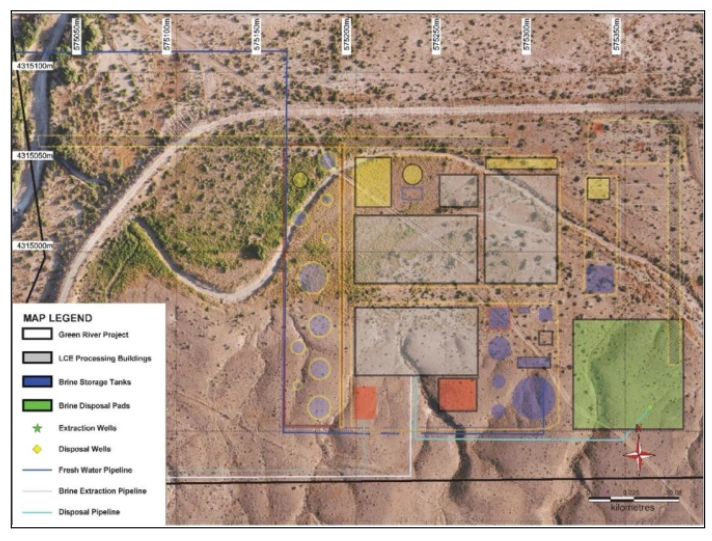
Figure 1: Plan showing the layout of the Green River Lithium Project DLE production Site [ASX Announcement]
This milestone allows the team to set clear timelines for commercial development. The project sits on a privately owned land parcel in Emery County. Private land ownership streamlines the regulatory process for drilling and extraction.
The property provides ample space for all operational activities. The team can perform extraction, transport, and disposal entirely within the property boundaries. The industrial site sits just 1.3 kilometres east of the Green River.
It lies safely north of the I-70 highway at an elevation of 1,250 metres. The high elevation protects the processing facility from potential flooding risks. The local terrain features sparse native grasses, weeds, and desert brush.
Cost-Cutting Design and Engineering Progress
Anson recently completed its Front-end Planning Stage 1 (FEP 1) Scoping Study in June 2026. The internal review revealed excellent opportunities to slash capital expenses. Engineers moved the plant layout further south to eliminate unnecessary infrastructure.
This brilliant adjustment minimises the overall ground disturbance footprint. The smaller footprint will directly reduce total project construction costs. The company will finalise these exact cost savings in an upcoming Definitive Feasibility Study (DFS).
The team has already commenced this crucial Definitive Feasibility Study. They expect to complete the comprehensive engineering document in the first quarter of 2027. The final study will provide precise operating and capital cost estimates.
These details will guide future discussions with potential joint-venture partners. Clear project timelines will attract significant interest from institutional investors. The company is already targeting strategic partners and major financial institutions.
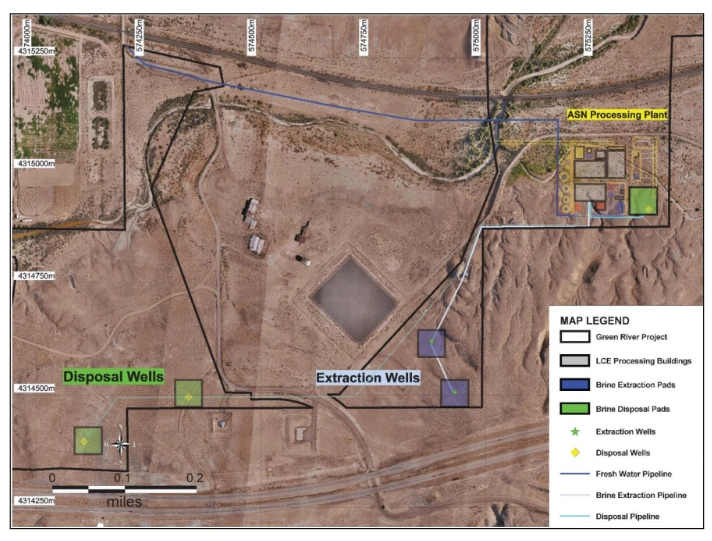
Figure 2: Plan showing the location of the processing plant in relation to the extraction and disposal wells [ASX Announcement]
Lower capital costs will maximise returns for Australian shareholders. The secure permitting status removes a major risk factor for incoming lenders. Executive Chairman Bruce Richardson expressed immense confidence in the next phase.
He noted that the approval concludes a rigorous three-year relationship-building effort. This long-term effort involved numerous government departments since the initial land acquisition in 2023. The end of permitting allows the company to enter the critical project financing phase.
Premier Logistics and Infrastructure Access
The operation requires a steady water supply for the direct lithium extraction process. The plant will draw water from the Green River City water supply. Alternatively, workers can extract water directly from the nearby river.
The preferred water extraction point sits 1,200 metres from the production site. Excellent road access connects the facility to Main Street and the interstate highway. Drivers can easily access the site from the I-70 highway.
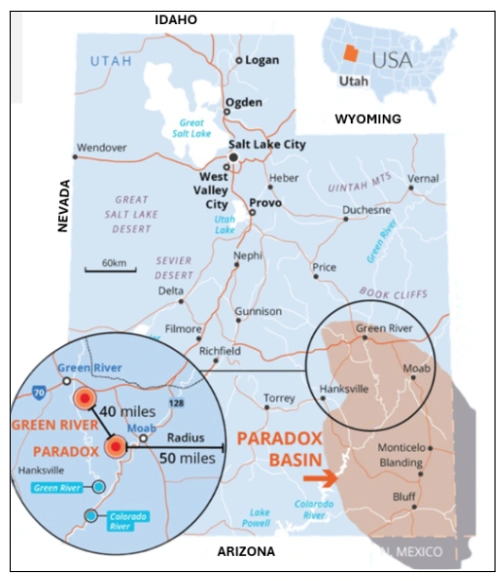
Figure 3: Bruce Richardson, Executive Chairman and Chief Executive Officer, Anson Resources [ansonresources.com]
Key existing infrastructure surrounds the Green River Project area. The site enjoys immediate access to a national rail network and a major interstate road system. Local gas and power lines run adjacent to the property.
These excellent features will lower initial capital requirements and speed up construction timelines. A close proximity to the town of Green River provides another massive benefit. The town offers easy access to a skilled potential workforce and supporting infrastructure.
Advanced Subsurface Modelling and Tech Integration
The technical team constructed a highly accurate Static and Dynamic Petrel Model. They imported an existing 3D Geological Model to power this simulation tool. The system also integrates a regional Numerical Groundwater Flow model.
This combined technology provides deep insights into the subsurface brine reservoirs. The Petrel Model assists engineers with future drill hole selection. It also plays a key role in updating official JORC Resource Estimates.
The software simulates fluid flow and predicts maximum extraction rates. This data ensures optimal placement for both extraction and disposal wells. The tests will feed directly into engineering studies to generate precise operating costs.
Several historical oil and gas wells in the region confirm the reservoir characteristics. These old wells intersected identical brine horizons during previous exploration eras. Some operators already converted these historical wells into active disposal wells.
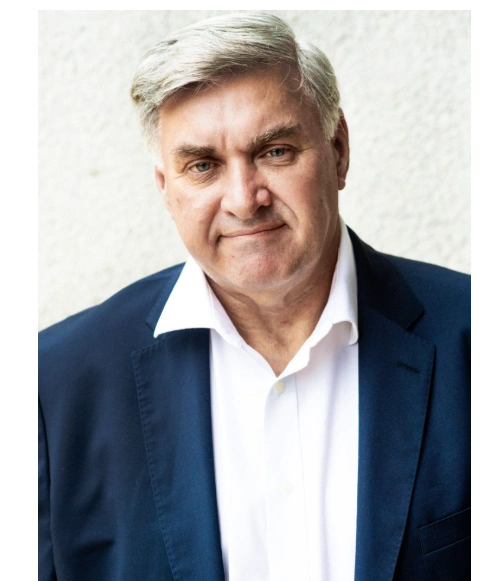
Figure 4: Green River Lithium Project, Anson Resources [ansonresources.com]
This successful conversion proves that the deep geological formations absorb fluids efficiently. The Paradox Basin hosts these lucrative bromine- and lithium-bearing brines. The fluids sit within a sub-horizontal sequence of salts, anhydrite, shale, and dolomite.
The Leadville Limestone also consists of dolomite and limestone which hosts the supersaturated brines. The extraction field consists of two primary production wells. These wells sit between 200 and 600 metres from the main extraction plant.
The dedicated disposal wells sit slightly further away from the facility. Distances range from 250 to 1,750 metres to ensure reservoir isolation. The company plans to drill new disposal wells during the main construction phase.
Environmental Regulation and Strong ESG Values
The Utah Department of Environmental Quality previously approved a vital underground injection permit. The Division of Water Quality thoroughly reviewed all public comments first. This Underground Injection Control (UIC) approval allows safe handling of spent brine.
The plant will re-inject the processed liquid back into deep subsurface formations. This clean approach ensures zero surface waste accumulation. The process maintains the highest environmental standards for the local community.
The design ensures minimal impact on local social and recreational activities. Operating on private property helps protect the surrounding environment. The team will place drill pads on flat, previously disturbed ground.
This clever approach avoids creating unnecessary new environmental footprints. Minimising ground disturbance aligns with the core sustainability goals of the company. The clean extraction method protects local water tables and ecosystems.
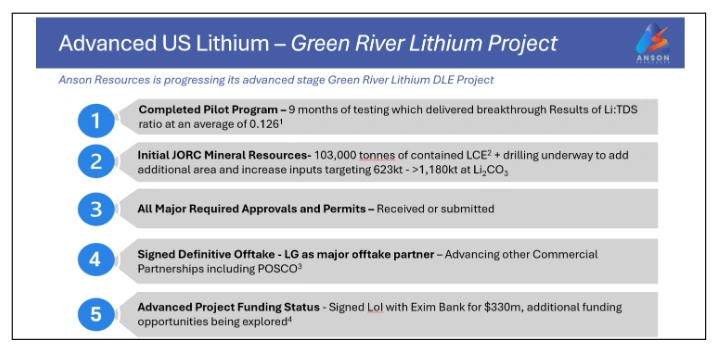
Figure 5: Green River Lithium Project, Anson Resources [ansonresources.com]
The company intends to create long-term value through clean energy materials. Their products will directly support the expanding global technology markets. The Brisbane-registered company continues to hit its major corporate milestones.
They hold a massive land position encompassing 5,960 hectares of placer claims. This area covers approximately 14,730 acres of highly prospective ground. The purchased private property consists of a 59.6-hectare land parcel.
Anson also holds an OBA lease covering 2,705 hectares. Anson’s U.S. subsidiary holds all claims 100 per cent. The claims and leases stay in excellent standing with current regulatory payments.
The competent geological team continues to validate the asset quality. Competent Person Mr Greg Knox reviewed the exploration results and geological data. He brings sufficient experience regarding this specific style of mineralisation.
The combination of infrastructure, permits, and technology creates an ideal asset. Anson stands ready to become a premier lithium supplier. Shareholders can look forward to a busy and rewarding year ahead.
You may like –Top ASX Rare Earth Stocks 2026 That’re Turning Into Real Returns for Australians
FAQ
- What production volume does this specific regulatory permit greenlight?
- The permit officially approves a direct lithium extraction site designed to produce 10,000 tonnes per annum of high-value lithium carbonate.
- How does private land ownership benefit the development timeline of this project?
- Privately owned land parcels face a significantly less rigorous approvals process, allowing drilling, extraction, and fluid disposal entirely within property boundaries.
You may like –The ASX Wealth Blueprint Australians Will Follow for the Next Decade
Disclaimer
This article is meant only for informational purposes. If you are an investor who is watching Mineral Resources Limited closely, all the data published in the content is sourced from ASX announcements and external sources. Kindly verify all information related to the share price and market data. Any investment should be made at the investor’s own risk. Colitco does not hold any position in the above-mentioned Company
———————————-
Sources:

Luke Carlino is a seasoned Copywriter, Content Strategist, and Social Media Manager specialising in Mining, Finance, and Business journalism. With more than a decade of industry experience, he brings rigorous editorial standards and commercial acuity to every project.