
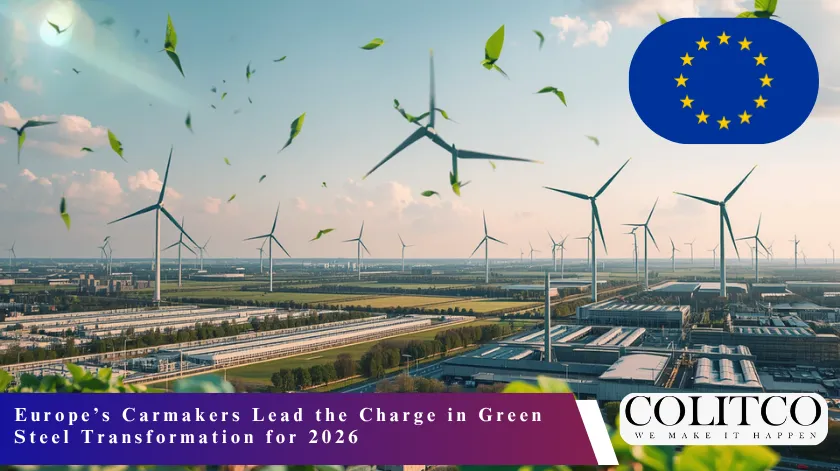
European Auto Giants Secure Long-Term Green Steel Contracts
Major European automakers are signing long-term supply deals for low-carbon steel. Spot trading remains thin, but the structural shift is gaining real traction. Producers and buyers are locking in volumes well ahead of regulatory deadlines.
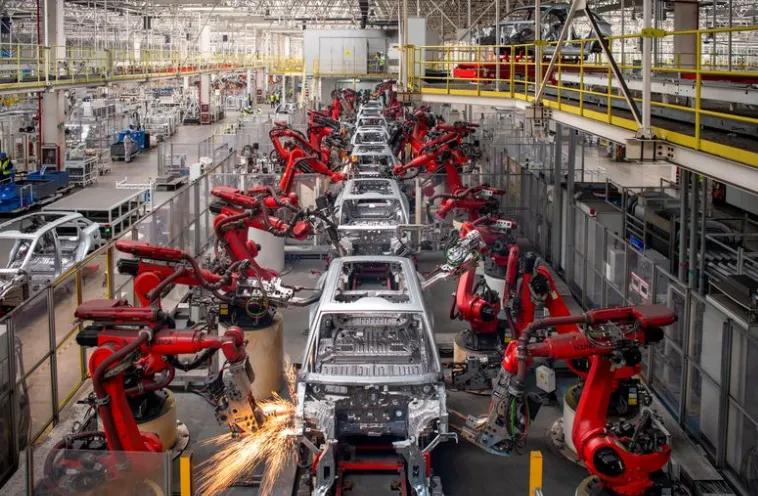
Modern European automotive production lines are adapting to low-carbon materials and sustainable manufacturing processes. [Investing.com]
One seller source confirmed the trend directly. Spot sales of green steel are close to zero, but long-term contracts are drawing genuine interest. End users are moving early to secure supply before competition intensifies.
This shift signals a market pivot. Automakers no longer treat low-emission steel as a niche choice. They treat it as a core procurement strategy tied to regulatory compliance and brand positioning.
BMW Adds Recycled Low-Carbon Steel to the iX3 Production Line
German steelmaker Thyssenkrupp Steel agreed to supply its CO₂-reduced bluemint recycled steel for series production of the BMW iX3 from 2026. The material covers outer body panels and battery housings. BMW confirmed the arrangement in a February 23 statement.
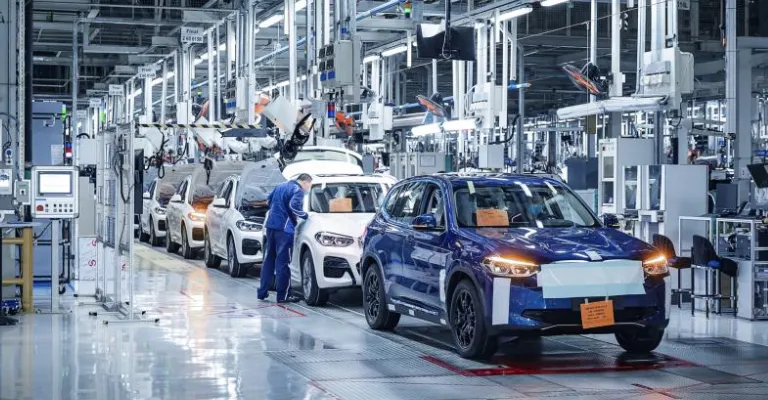
BMW integrates CO₂-reduced steel into iX3 production, marking a shift toward large-scale green manufacturing. [LinkedIn]
The deal marks a concrete production milestone. Most green steel agreements have stayed at the pilot or commitment stage. BMW’s move brings low-carbon steel directly into a volume manufacturing process.
Thyssenkrupp also plans to commission its first direct reduction plant in 2026. That facility will feed future supply agreements with multiple automakers, including Mercedes-Benz.
Mercedes-Benz Targets Over 200,000 Tonnes of Low-Emission Steel Per Year
Mercedes-Benz aims to use more than 200,000 tonnes of CO₂-reduced steel annually across its European press shops. The company sources this material from several European suppliers, with Salzgitter Flachstahl serving as a key partner.
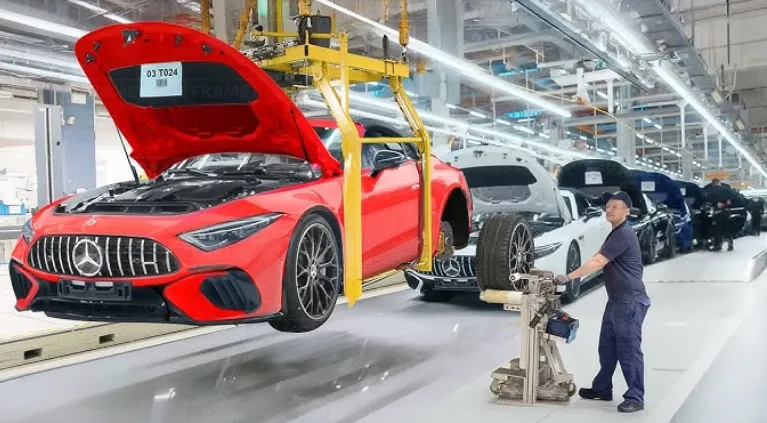
Mercedes-Benz targets over 200,000 tonnes of low-emission steel annually across its European operations. [Youtube]
From 2026, Salzgitter Flachstahl plans to supply Mercedes-Benz with steel made through direct reduction processes combined with electric arc furnaces.
This forms part of Salzgitter’s SALCOS program. Mercedes-Benz already receives CO₂-reduced flat steel made from scrap in an electric arc furnace.
The two companies also agreed to source raw steel produced with green electricity. This pushes total CO₂ savings to more than 75 percent compared to the conventional blast furnace process. The arrangement forms a central pillar of Mercedes-Benz’s Ambition 2039 decarbonisation plan.
Volkswagen Group Links Green Steel Supply to Its Trinity EV Platform
Volkswagen Group plans to use low-CO₂ steel from Salzgitter in future vehicle projects. The company specifically targets the Trinity e-model, set for production in Wolfsburg from 2026. The steel comes through Salzgitter’s SALCOS transformation programme.
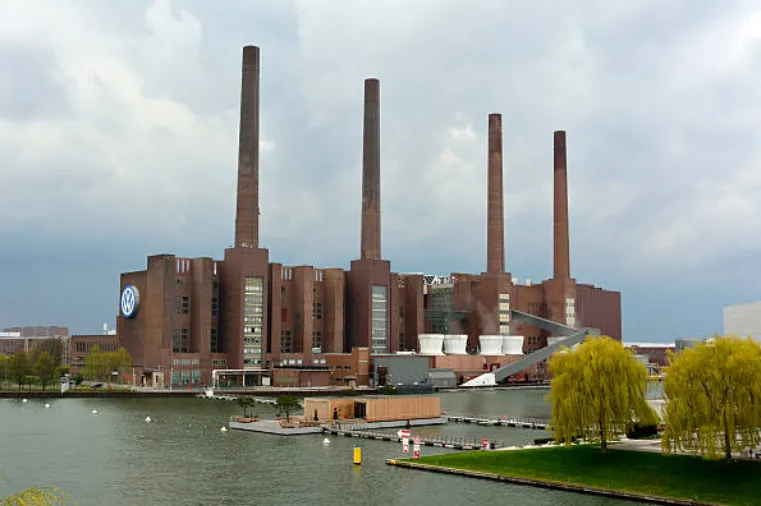
Volkswagen plans to use green steel in its Trinity EV platform as part of its decarbonisation strategy. [Istock]
Salzgitter has already signed binding contracts with customers across the automotive and household appliance sectors.
Those buyers will receive low-emission steel starting in 2026. Volkswagen Group stands among the first major industrial customers in this new supply chain.
The two companies also plan a closed-loop steel recycling arrangement between the Salzgitter and Wolfsburg plants. This approach supports circular economy goals and reduces dependence on virgin raw materials over time.
Salzgitter’s SALCOS Programme Receives €322 Million in Additional State Funding
Germany’s Federal Ministry for Economic Affairs and Energy approved an additional €322 million in public funding for Salzgitter’s SALCOS decarbonisation project.
The European Commission granted approval under state-aid rules on February 6. The new funds supplement roughly €1 billion in aid approved in 2022.
The German federal government finances 70 percent of the total, with the state of Lower Saxony covering the remaining 30 percent.
Salzgitter will invest around €2.3 billion in the first phase of SALCOS. That phase targets full conversion of its Salzgitter Flachstahl integrated steelworks.
The conversion involves installing a hydrogen electrolyser, a direct-reduction plant, and an electric arc furnace. The company says the project could cut up to 95 percent of the site’s annual CO₂ emissions, equivalent to around 8 million tonnes per year.
Green Hydrogen Plant Goes Online at Salzgitter in 2026
Technology group ANDRITZ will build a 100 MW electrolysis plant at the Salzgitter Flachstahl site.
The facility uses pressurised alkaline electrolyser technology from HydrogenPro. It will enter operation in 2026 and will produce around 9,000 tonnes of green hydrogen per year.
Salzgitter will feed that hydrogen directly into its green steel production process. This marks the start of industrial-scale hydrogen utilisation under the SALCOS programme. It is one of the largest green hydrogen plants in Europe dedicated to steelmaking.
The full conversion of the Salzgitter site to near-zero CO₂ production remains on track for completion before the end of 2033. That timeline sits well ahead of statutory regulatory requirements under EU industrial decarbonisation policy.
EU Carbon Rules and the Automotive Package Boost Low-Carbon Steel Demand
The European Commission’s Automotive Package regulation proposal, published on December 16, 2025, adjusts EU CO₂ standards for cars and vans.
The revised rules allow a small share of residual emissions to be offset through low-carbon materials and alternative fuels. This creates a direct compliance link between green steel procurement and vehicle emissions targets.
Fastmarkets estimates that if 10 percent of new cars and vans require these offsets, and manufacturers use green steel to cover residual emissions, the policy alone could generate around 1 million tonnes per year of additional green steel demand. That figure does not account for voluntary procurement commitments already in place.
The Carbon Border Adjustment Mechanism (CBAM), which entered force in January 2026, adds further pressure.
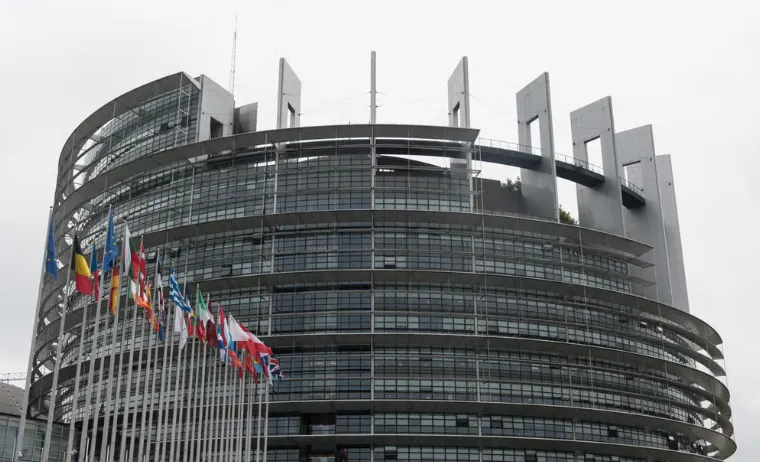
EU carbon regulations and CBAM are accelerating demand for low-emission materials across industries. [POLITICO]
It raises the cost of importing carbon-intensive steel into the EU. Domestic producers investing in green steel production gain a structural price advantage under this framework.
Green Steel Price Premiums Remain a Barrier to Wider Market Adoption
European suppliers currently set price premiums for certified green steel at €200 to €300 per tonne. However, sellers acknowledge they rarely reach those levels in actual transactions. Buyers put achievable premiums closer to €70 to €150 per tonne.
Mill sources maintain that €150 per tonne represents a minimum viable premium for the lowest-emission steel grades.
They cite limited production availability and high conversion costs to justify that floor. Buyers argue producers must negotiate further on larger volume deals to stimulate uptake.
The gap between supply-side pricing and buyer willingness to pay remains the biggest short-term friction in the market. Certification standards and clearer regulatory signals may compress that gap over the coming two years as volume scales up and production costs decline.
Also Read: Apple iPhone Sales Surge Worldwide
Automotive Sector Set to Represent a Third of European Green Steel Demand by 2035
Automotive demand for green steel is expected to reach roughly one-third of total European green steel demand by 2035.
Fastmarkets attributes this to faster growth in automotive purchasing relative to other sectors. Greater emphasis on low-emission materials in electric vehicle supply chains drives the trend.
Premium and luxury brands hold stronger pricing power. They can absorb higher input costs and pass them through to end consumers more readily than mass-market manufacturers. This positions them as early adopters of the lowest-emission flat steel products.
Despite the growing momentum, current global commitments remain modest. Among the 17 major automakers selling in Europe and North America, only four have pledged to procure fossil-free steel by 2030.
Those commitments cover an estimated 2 percent of those companies’ total global steel use. The market transformation remains real but uneven across the industry.
FAQs
Q1: Why are European automakers investing in green steel?
A: To reduce carbon emissions, meet EU regulations, and strengthen sustainable brand positioning.
Q2: What is green steel?
A: Steel produced using low-carbon methods such as hydrogen-based direct reduction and electric arc furnaces.
Q3: Which automakers are leading this shift?
A: BMW, Mercedes-Benz, and Volkswagen are among the key players securing long-term supply deals.
Q4: What challenges does the green steel market face?
A: High production costs and price premium gaps between buyers and suppliers remain major hurdles.
Q5: How will EU regulations impact demand?
A: Policies like CBAM and emissions rules will increase demand for low-carbon steel in automotive production.
Disclaimer
This article is for informational purposes only and does not constitute financial, investment, or legal advice. While every effort has been made to ensure accuracy, no guarantee is given regarding the completeness or reliability of the information presented. Readers should conduct their own research or consult a qualified professional before making any decisions based on this content. Any views expressed do not necessarily reflect those of Colitco or its affiliates.
Sources
https://eurometal.net/global-green-steel-markets-in-2026-regulation-costs-and-regional-divergence/
https://theicct.org/publication/green-steel-automakers-us-europe-sep-24/
https://www.andritz.com/newsroom-en/metals/2023-09-20-salzgitter-group
https://flow.db.com/case-studies/salzgitter-ag-transitioning-to-green-steel
https://www.designnews.com/automotive-engineering/mercedes-benz-goes-all-green-steel


