Paladin Energy has one uranium mine supplying customers and another it hopes to bring into production in 2031. At Langer Heinrich in Namibia, the next increase in output depends on when higher-grade ore reaches the mill.
In this article, we look at what Paladin has already agreed to sell and what its Canadian project, Patterson Lake South, still needs before construction can begin.
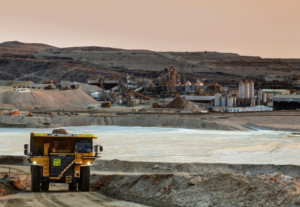
Figure 1: A haul truck passes mine infrastructure in the cover photograph of Paladin’s 17 November 2026 AGM presentation. Credit: Paladin Energy Ltd.
Higher-Grade Ore in Namibia Could Lift Output Before Canada Contributes
The first increase in Paladin Energy uranium production is expected to come from a mine it already operates. At Langer Heinrich, the plan calls for higher-grade ore to reach the processing plant in the second half of FY2027.
That matters because a tonne of richer ore contains more uranium. If the plant recovers the same proportion, it can produce more pounds without having to treat more tonnes.
The September quarter shows how much work falls later in the year. Langer Heinrich produced 1.00 million pounds in the first three months. To reach even the bottom of annual guidance, the mine needs another 4.10 million pounds over the remaining three quarters.
An even quarterly pace was never the plan, but the timing of that richer feed now matters to the full-year result.
| Langer Heinrich measure | FY2026 actual | FY2027 guidance |
| Uranium oxide produced | 4.82 million lb | 5.1–5.6 million lb |
| Uranium oxide sold | 4.35 million lb | 4.8–5.3 million lb |
| Cost of production | USD 43.30/lb | USD 44–48/lb |
Figures cover the whole mine. Paladin owns 75% of Langer Heinrich. Production cost is a mine measure, not the company’s total cost per pound sold.
Paladin is budgeting for more pounds and a higher annual production cost per pound than last year. Planned maintenance and lower first-half output help explain why. For a closer look at how those costs show up in a single quarter, see Colitco’s coverage of Langer Heinrich’s production costs and uranium margins.
Long-Term Sales Give Paladin Buyers While Leaving Room for Prices to Move
A utility can agree to buy uranium years in advance without agreeing today on the final price. That distinction explains much of the Paladin Energy uranium strategy.
At 30 September 2026, Langer Heinrich had about 20 million pounds under contract for delivery from October 2026 through December 2030. Market-related terms covered 54% of those pounds. The other 46% had either fixed prices or prices that rise from an agreed base under the contract.
For shareholders, that split cuts both ways. If uranium prices strengthen, some contracted sales can still benefit. If prices weaken, a committed customer does not necessarily protect the price Paladin receives.
In the September quarter, Paladin sold 1.16 million pounds at an average realised price of USD 79.40 a pound. That was the price achieved on those deliveries; it is no promise about the next shipment.
Patterson Lake South Gives Canadian Buyers a Future Source, if the Mine Goes Ahead
In Saskatchewan, Paladin is working towards a different milestone. Patterson Lake South has no current production to sell. What Paladin can offer prospective customers is a place in the delivery schedule of a proposed Canadian mine. Its existing utility relationships give it somewhere to start those talks.
The company is targeting federal construction licence hearings by the end of calendar 2027. A hearing would be a step towards a decision, not permission to start building. Paladin also needs to advance project funding before it makes a final investment decision.
Saskatchewan winters add a practical constraint: a delay that costs a construction season can matter more than the number of months on the permitting calendar suggests.
Paladin is targeting commissioning, ramp-up and first production in 2031. First production means the mine has started delivering uranium. It does not mean the operation has reached its planned annual output.
Three Milestones Will Show Whether the Portfolio Is Ready for the Next Supply Cycle
The uranium supply outlook matters to Paladin, but a stronger market cannot deliver ore to a plant or issue a construction licence. The useful checks are more specific:
- Namibia’s mill feed: Does higher-grade ore arrive in the second half of FY2027, and do recovered pounds rise as expected?
- The price on deliveries: As contracts fall due, how does the average price Paladin actually receives change? That figure says more about sales revenue than a single day’s uranium quote.
- Canada’s construction decision: Which licences and funding commitments are in hand before Paladin commits to building Patterson Lake South?
The two dates to keep separate are 2030 and 2031. The first marks the end of the period covered by Paladin’s disclosed 20-million-pound contract figure. It is not a closure date for Langer Heinrich.
The second is a target for first Canadian production. If Patterson Lake South proceeds, its value to Paladin is the chance to supply customers from two mines rather than one.
What Could Move the Paladin Energy Share Price?
The next quarterly report will give shareholders a closer look at Langer Heinrich. After producing 1.00 million pounds in the September quarter, the mine needs another 4.10 million pounds over the rest of FY2027 to reach the low end of guidance.
Paladin expects more of that output in the second half, so its update on when higher-grade ore will reach the mill may matter as much as the quarterly production figure.
Patterson Lake South gives investors a different reason to watch the shares. A firm date for a construction licence hearing would help narrow the timetable for the Canadian mine. The decision on whether to build it would still lie ahead.
ALSO READ: Why Mining Companies Are Increasing Capital Spending Ahead of the 2030 Uranium Deficit
FAQs
How much uranium does Paladin expect Langer Heinrich to produce in FY2027?
The forecast is 5.1 million to 5.6 million pounds of uranium oxide on a whole-mine basis. Paladin holds a 75% interest.
Has Paladin fixed the price on all 20 million contracted pounds?
No. Market-related pricing applies to 54% of the volume. The remaining 46% has fixed or base-escalated pricing.
Why were September-quarter sales higher than production?
Production counts pounds recovered during the quarter. Sales count pounds delivered to customers. Deliveries can draw on inventory, so the two figures need not match in any one quarter.
When could Patterson Lake South start producing uranium?
Paladin is targeting 2031. The date depends on regulatory decisions, investment approval and the construction timetable.
Disclaimer: This article provides general information, not personal financial advice. Production guidance and project dates are company estimates and may change.

Luke Carlino is a seasoned Copywriter, Content Strategist, and Social Media Manager specialising in Mining, Finance, and Business journalism. With more than a decade of industry experience, he brings rigorous editorial standards and commercial acuity to every project.