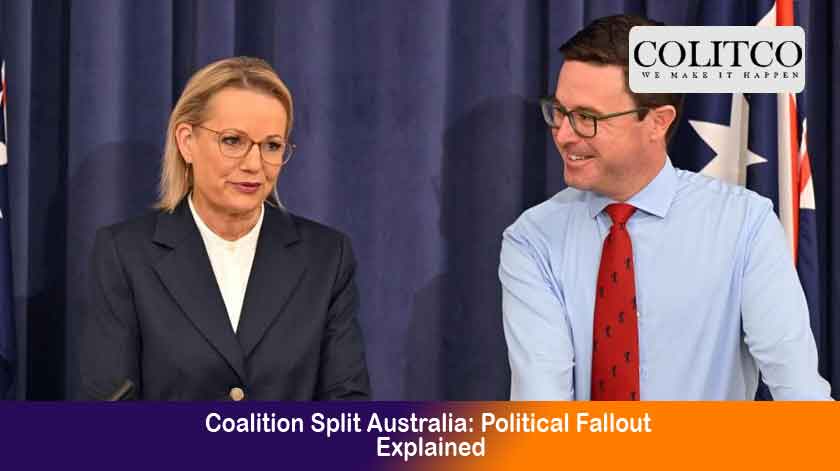
The Coalition created a second division in Australia, which resulted in a major shift through a political crisis because the Liberals and Nationals failed to resolve their conflicts.
The breakdown came after weeks of tension, miscommunication and anger over strategy on hate laws and gun control, which left observers in Canberra shocked by the rapid collapse of their diplomatic mission.
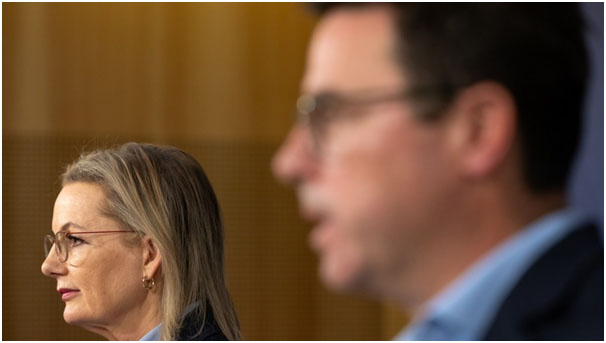
Ley And Littleproud Face Fallout After Coalition Split. [Crikey]
What Triggered The Australian Politics Coalition Breakdown?
Parties within the Coalition developed different strategies because they faced confusion about their combined position on hate law reforms and gun control bills.
The Liberals suspected that the Nationals had reached amendments through negotiations at which they lacked proper understanding, while the Nationals believed that shadow cabinet choices had taken them by surprise.
The disagreement showed deep mistrust between both parties, which led to a public breakup that ended their formal collaborative work. Residents in Canberra started to spread rumours about upcoming changes in leadership positions.
How Did Leadership Strains Shape The Split?
The Coalition split, which divided Australia, occurred because leaders of different parties clashed about their preferred methods of operation and power distribution. Nationals leader David Littleproud required Sussan Ley’s leadership to end before unification talks could proceed. The Liberals believed this action constituted a major error which escalated internal displeasure instead of solving existing problems. Littleproud’s strategy brought about his loss of Liberal support, which made trust between them even more damaged.
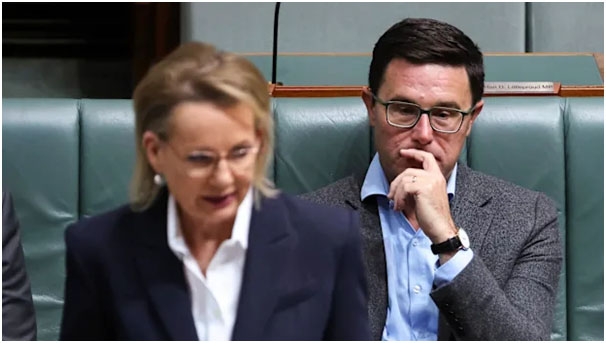
Nationals leader David Littleproud is surrounded by colleagues before the split vote. [SMH]
What Are The Key Reactions Inside Federal Politics?
Reactions to the Coalition’s break have been mixed across Australian federal politics crisis discussions, with shock and cautious strategy dominating conversations.
The break was seen as an opportunity by some Liberals because they wanted to establish a new party identity, which would help them establish better connections with voters.
The situation created fears that it would result in permanent damage, while uncertainty remained about how to achieve unity again. The Nationals MPs expressed hope for future reconciliation, while they said that trust required time because it would need to develop through extended periods of separation.
How The Parliamentary Votes Fueled The Crisis
The Coalition experienced further division through the parliamentary votes on hate law amendments because each party followed different paths, which led to the Coalition’s breakdown.
The Nationals chose to abstain from the lower house vote while the Liberals joined Labour to support the bill, which created deeper mistrust between the two parties.
In the Senate, several National Party members switched their support to vote against the legislation, which resulted in two frontbenchers resigning their positions and creating more internal strife within both political parties.
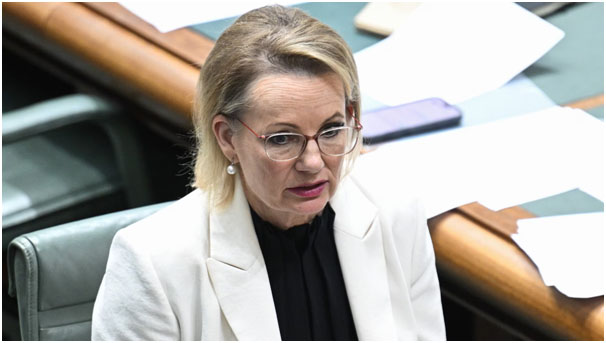
Sussan Ley is walking in Canberra following the Coalition’s formal split. [ Sky News Australia]
What’s Next In The Wake Of The Coalition Split?
The Coalition split has reached official status in Australia, through which all eyes now focus on the upcoming developments that will occur in federal politics.
The Liberals face internal uncertainty about their leadership situation because discussions about possible leadership changes have started to increase.
Angus Taylor’s return from Europe brought about renewed interest in the potential candidates who will lead the Liberal Party. The Nationals assess their current situation to rebuild trust with their core supporters while they discuss possible future directions.
Political Uncertainty Clouds Policy Direction
The Australian political coalition breakdown has created immediate uncertainty across policy development and parliamentary cooperation. Legislative negotiations may slow as parties reassess priorities and voting strategies.
Market confidence remains sensitive to prolonged political instability. Investors closely monitor signals of stability from leadership teams. Public confidence may also weaken as voters question long-term governance reliability and national decision-making strength.
Coalition Split Australia Reshapes Opposition Strategy
The Coalition split Australian forces the opposition to redesign campaign messaging and voter engagement strategies. Separate policy positioning may intensify competition for conservative support.
Regional and metropolitan voter priorities may now diverge further. Political analysts expect sharper debates on energy, security and social reforms as both parties attempt to reclaim momentum ahead of future elections.
Also read: Tony Armstrong’s Satire Reignites January 26 Controversy Across Australia
FAQs:
Q1: What caused the Australian political coalition breakdown?
A1: The breakdown stemmed from disagreement over hate law reforms and leadership tensions between Liberals and Nationals.
Q2: Who are the main figures in the Coalition split?
A2: Sussan Ley, leader of the Liberal Party, and David Littleproud, National Party leader, were central figures in the split.
Q3: How has the Coalition split impacted federal politics?
A3: The split has sparked uncertainty in parliamentary strategy and triggered leadership speculation within both parties.
Q4: Could the Coalition reunite?
A4: Both sides have left the door open, but trust issues and political calculation mean reconciliation may take significant time.