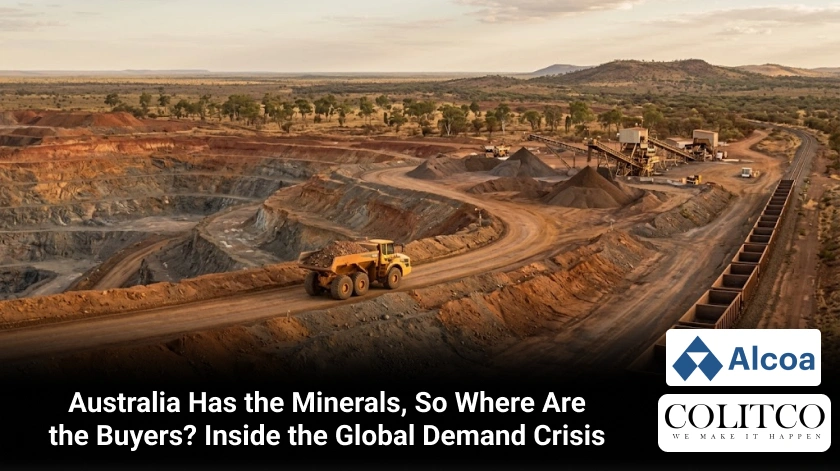
Australia holds vast reserves of critical minerals, yet global buyers remain difficult to secure. Namali Mackay, managing director of the Critical Minerals Association Australia, raised this concern on 03 Sep 2026. She argues the country promotes opportunity well but rarely closes the deal.
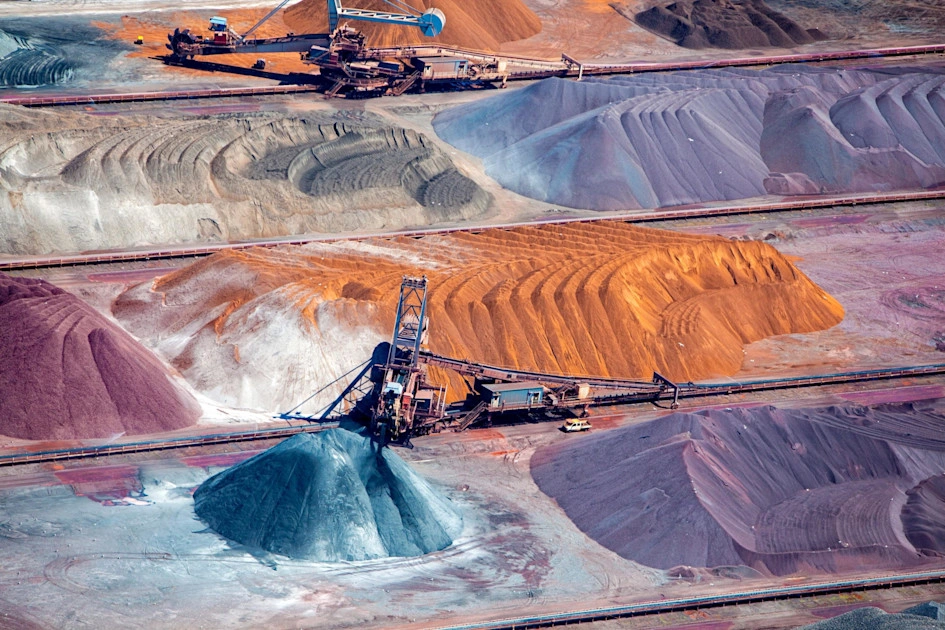
Figure 1: Mineral stockpiles at a mine site [Courtesy: Supplied]
The warning follows former resources minister Martin Ferguson’s push for closer ties with South Korea. Korea needs secure battery mineral supplies, and Australia holds many of the resources required. Yet the broader Australia mining demand crisis extends well past a single trading partner, touching the entire minerals sector.
What Is Driving the Australia Minerals Buyers Crisis
According to the International Energy Agency, global investment in critical minerals dropped nine per cent last year. In parallel, demand for those minerals is expected to almost double by 2040. This gap sits at the centre of Australia’s minerals buyers crisis facing policymakers today.
Governments across the G7 are spending heavily to secure supplies outside China. China has controlled global critical minerals supply for decades, according to the commentary. Australia should be a natural beneficiary, yet too few local projects are reaching financial close.
Why the Australia Mining Demand Crisis Matters to Investors
Investors need clarity before committing capital to any project. They want to know what can be extracted, in what volume, and at what grade. A proven processing route and realistic costs matter just as much as strong geology.
Table 1: Key Figures Behind the Global Minerals Demand Crisis Australia Faces
| Metric | Figure | Source Detail |
|---|---|---|
| Global Critical Minerals Investment Change | -9% (last year) | International Energy Agency |
| Expected Global Demand Growth | Almost doubling by 2040 | International Energy Agency |
| Critical Minerals Production Tax Incentive | A$7 billion (medium term) | Future Made in Australia |
| Alcoa Sojitz Gallium Project Target Output | Up to 10% of world gallium supply | Alcoa, Sojitz |
About Alcoa and the Gallium Breakthrough
Alcoa Corporation is a global aluminium and bauxite producer with operations in Australia. It recently partnered with Sojitz on a new gallium facility. Construction has begun on a Project expected to produce a meaningful share of world gallium supply.
Figure 2: Alcoa Corporation logo [Courtesy: Business Wire]
The Alcoa Sojitz Gallium Project is a joint venture between Alcoa, Japan, and the United States. The Australian government provided concessional finance to support the Project. It shows how a mineral opportunity can be linked to processing capability and a genuine route to market.
Alcoa’s Role in Australia’s Critical Minerals Supply Chain
Alcoa’s involvement demonstrates a demand-side strategy in action. It combines an Australian mineral opportunity with committed international partners. The federal government now wants this approach to become repeatable rather than exceptional.
Table 2: Alcoa Sojitz Gallium Project Snapshot
Where and When the Global Minerals Demand Crisis Australia Faces Is Unfolding
The Australia mining demand crisis is playing out across multiple regions at once. Canada, Africa, and South America are already competing for the same investor attention. Australia’s window to secure capital ahead of rivals remains open but narrowing.
The federal government is preparing an imminent refresh of its critical minerals strategy. This review builds on the existing Future Made in Australia program. It also comes as G7 governments keep redirecting investment away from China-controlled supply chains.
How Australia Can Turn the Critical Minerals Paradox Around
Australia needs to look at where it can truly compete, on a mineral-by-mineral basis. Realistic paths to commercial scale should be identified through rigorous technical and economic analysis. It should also flag opportunities unlikely to succeed, regardless of geological appeal.
Building an Investable Project Pipeline
A national pipeline of priority projects could resolve much of the current uncertainty. Presented through a consistent framework, it would function like an investment data room. This would let investors compare Australian opportunities on equal footing. Several mechanisms could unlock stalled projects:
- Concessional finance for early-stage development
- Common user infrastructure shared across multiple sites
- Price floors or contracts for difference
- Government-backed purchasing commitments
Government-backed Finance and Demand Signals
Strategic partnerships alone do not guarantee buyers. Financiers need creditworthy customers willing to commit to volumes, prices, and timeframes. Long-term offtake agreements and patient capital turn strategic interest into bankable contracts.
Critical Minerals Industry Outlook
Global demand for copper, battery materials, and rare earths grew close to ten per cent annually in recent years, per the IEA. Lithium demand grew by around twenty-five per cent per year on average. This came over the past two years, driven by battery storage and EV uptake.
However, there was a nine per cent decline in investment into critical minerals in 2025, the first major reduction since 2020, as battery mineral firms pulled back twenty per cent.
Copper investment was eight per cent larger than a year ago and stood out as a counter to the general trend as it drew increased investor support against the outlook for copper’s role throughout electricity infrastructure. Learn more about mining sector coverage on Colitco.
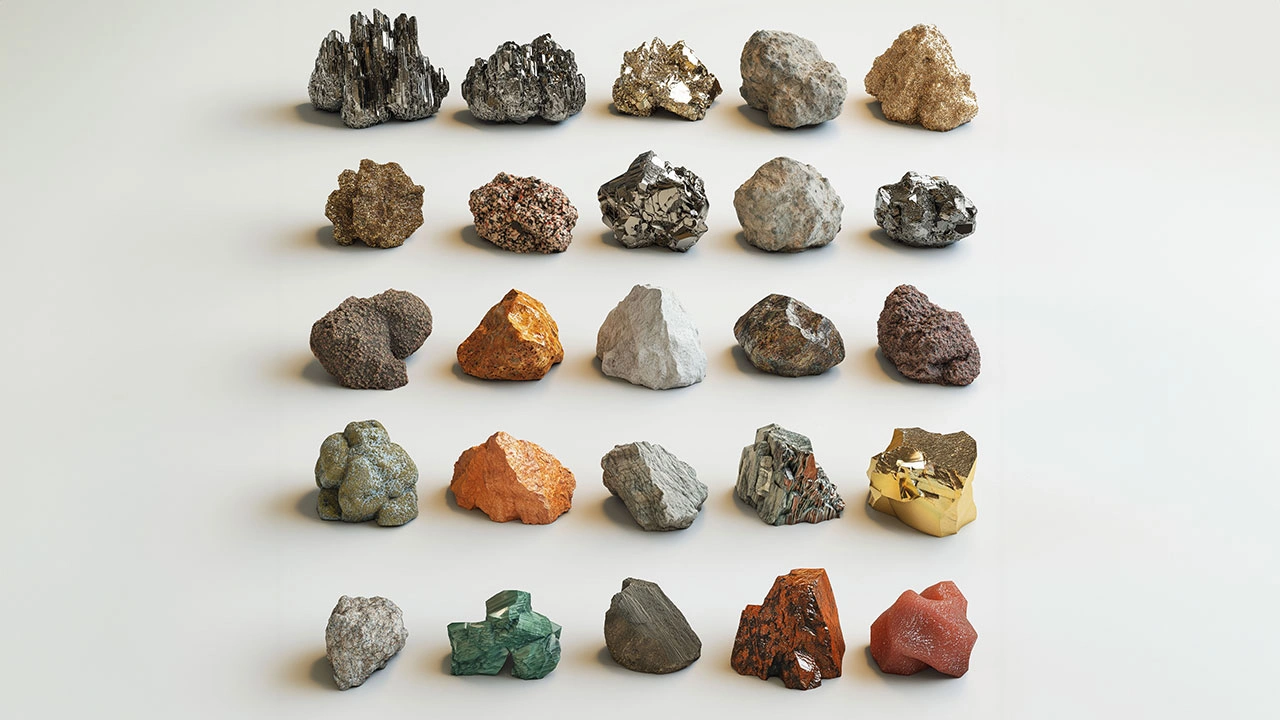
Figure 3: A range of critical minerals and rare earth ore samples [Courtesy: Tetra Tech]
Future Direction and Impact on Australia’s Mining Investment Pipeline
The strategy refresh could reshape how investors view Australia’s minerals buyers crisis going forward. If government and industry produce a credible project pipeline, capital may return faster. Success stories like the Alcoa Sojitz Gallium Project could become the norm rather than the exception.
Continued global demand for battery and manufacturing inputs will keep pressure on supply chains. The global minerals demand crisis Australia faces will not resolve without clearer commercial signals. Already, investors, allied governments, and processors are looking for alternatives elsewhere.
ALSO READ: St George Mining Starts Pilot Plant Test Work at Araxá
Frequently Asked Questions
Q1. What is the Australia minerals buyers crisis?
Ans. It refers to Australia holding rich mineral deposits while struggling to secure committed international buyers and investment.
Q2. Why has global investment in critical minerals fallen?
Ans. The IEA reports a nine per cent decline last year, despite demand expected to almost double by 2040.
Q3. What does the Alcoa Sojitz Gallium Project show?
Ans. It shows a working model linking Australian minerals, processing capability, and international partners to a real customer.
Q4. What could fix the Australian mining demand crisis?
Ans. A mineral-by-mineral national pipeline, backed by concessional finance and government purchasing commitments, per industry commentary.
Disclaimer
This article is meant only for informational purposes. All data referenced in this content is sourced from published industry commentary and publicly available announcements. Kindly verify all information related to figures and market data before making any decisions. Any investment should be made at the investor’s own risk. Colitco does not hold any position in the companies mentioned above.

Elizabeth Jones is a finance and mining content specialist with over 10 years of experience creating clear, SEO-driven content across fintech, investing, banking, insurance, cryptocurrency, and resource markets. She transforms complex financial data and industry trends into engaging, reader-focused articles that improve understanding and audience engagement.