Before the opening bell, US stock futures experienced fluctuations as investors took into account the softer inflation data and early earnings signals. The financial market news cycle kept on being tense as the traders were trying to figure out the right balance between the policy risks, corporate results and the shifting geopolitical pressures.
The futures of Dow Jones remained almost unchanged, while those of S&P 500 and Nasdaq were very slightly higher, indicating that the global desks had a cautious optimism. The market sentiment was still very fragile after the political scrutiny surrounding the Federal Reserve leadership had been renewed, which increased uncertainty about the rate expectations.
Why Are US Futures Holding Steady In Financial Market News?
Investors turned their attention to the new inflation data, which indicated that the headline CPI went up by 0.3% compared to the previous month and 2.7% compared to a year ago. The Core CPI rose by 0.2% monthly and 2.6% yearly, which is the lowest annual core increase since early 2021.
These numbers were very much in line with the forecasts, thus lightening the fears of the price pressures’ return. The futures market kept the same assumption that the Federal Reserve would not change the rates during this month. Some traders even contemplated a bit more the possibility of cuts later in the year.
The December jobs report was a pointer to the already cooling labour market. That data further supported the view that the inflation risk is going down without the growth of recession fears.
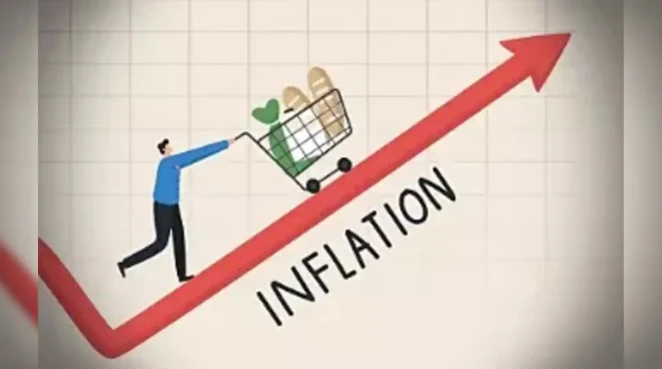
Investors remain cautious as inflation data and policy risks shape short-term moves. [The Economic Times]
Big Banks Open Earnings Season With Mixed Signals
On Wednesday, JPMorgan Chase opened up the full earnings season with a quite anticipated report of profits that were worse than expected because of expenses related to mergers and acquisitions.
The financial institution declared a net profit of $13 billion, but with a maelstrom of $2.2 billion related to the acquisition of the Apple Card. If these costs are not taken into account, the earnings per share would be $5.23, thus surpassing Wall Street’s estimate of $4.85. Including the $2.2 billion hit, earnings per share went down to $4.63.
The stock price fell a bit after the report. Soon, disclosures from Bank of America, Citigroup, and Morgan Stanley will follow. The investors will judge whether the slowdown in deal-making can be compensated for by the income from trading desks and lending margins.
What Does CPI Mean For The Wall Street Outlook?
The newly released CPI report backs up the claim that inflation is still above the Fed’s 2% target but is getting cooler. Central bankers have indicated that the labour market is now an important factor in their decisions alongside inflation.
The market is still looking at the wage and service cost growth very keenly for any signs of pressure coming back. The options market is indicating that the investors are thinking of the upcoming earnings day volatility to be around 4.5% which is, in fact, a modest one.
The analyst does see the lower fear pricing as the reducing factor in the sharp relief rallies; still, the selective sector moves seem likely during the earnings announcements. The stocks of utilities, healthcare, materials, and industrials will be more volatile than their peers.
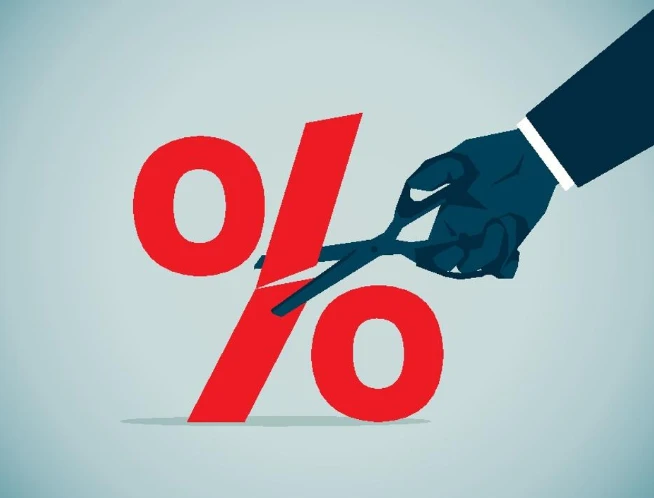
Inflation trends guide expectations on rate cuts and equity risk appetite. [Forbes]
Geopolitical Risks Add New Layers Of Uncertainty
The political situation also contributed to the lack of investor confidence as the markets followed along with the newly emerging trade and policy threats. The US government issued a warning about the imposition of 25% tariffs on all trade with Iran.
This action led to a fear of further dislocation in world trade. In addition, the actions of the US in Venezuela were such that the oil supply routes changed, prompting a market reaction. Eventually, the price of Brent crude was more than $65, and WTI was more than $60.50.
If the increase in energy prices is sustained, it could make the inflation outlook more complicated. Nevertheless, the investors are still keeping an eye on the shipping difficulties in the Strait of Hormuz, where approximately 20 million barrels are transported every day.
Are Investors Worried About Fed Independence?
The independence of the Federal Reserve has been questioned again after the scrutiny of legal matters that focused on the Fed Chair. Central bankers around the world, along with former US Treasury heads, cautioned against any political interference.
Investors are worried that such measures might result in higher inflation expectations and yields on bonds. The bond market is still very much influenced by the credibility of the policy and the long-term stability. Some analysts are of the view that the market for risk premiums could be higher if there is a loss of confidence.
The equities market is still considering that policy will be stable despite the fluctuations in news coverage. However, this issue continues to be a risk, albeit a minor one, in terms of the valuation multiples.

Market confidence depends on policy stability and institutional credibility. [Bank Underground]
Also Read: Capital One Shares Crater as Trump’s Rate Cap Bombshell Rocks Wall Street
FAQs
Q1: Why are US markets steady after Fed drama?
A1: Investors believe inflation is cooling and rate cuts remain possible later this year, reducing panic selling.
Q2: What does the CPI report signal for interest rates?
A2: The data support a pause in rate hikes and keep future cuts on the table if labour markets weaken.
Q3: How important is earnings season for market direction?
A3: Earnings will show whether profits can justify current valuations amid slowing growth.
Q4: Do geopolitical risks still affect market pricing?
A4: Yes, energy supply risks and trade threats can lift inflation and pressure global growth forecasts.