U.S. stock futures traded positively on Tuesday evening as optimism intensified about the potential de-escalation in the Middle East, where the United States was said to offer a peace plan to Iran, stimulating investors to rethink risk and expectation of returns in world markets.
Nasdaq 100 futures rose 0.79 percent, S&P 500 futures 0.63 percent, and Dow Jones Industrial futures 0.61 percent at 6.34 p.m. EDT on March 24, as traders shifted their sentiment after previous volatility took over the markets.
The potential to lower geopolitical risk that could relieve pressure on oil markets and inflation expectations saw investors respond, but the gains were measured because of continuing uncertainty over whether diplomacy would be converted into tangible results.
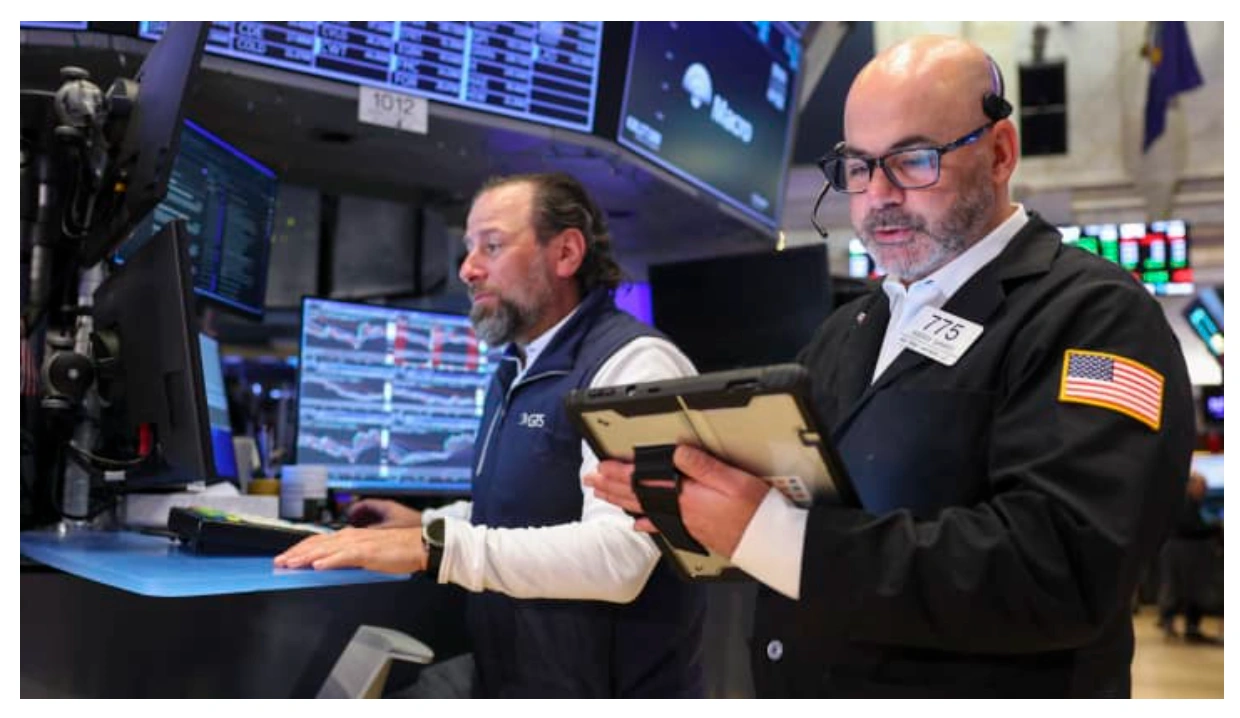 US futures edge higher as investors respond to Middle East peace signals. [CNBC]
Why Does This Matter To Global Investors Today?
The increase in US stock futures is significant as it reflects the speed with which investors can change their minds based on geopolitical events, especially regarding major energy-producing countries, where even hints of diplomacy can affect future market expectations of economic stability and performance.
A key driver of recent volatility has been oil prices, where any sign of a de-escalation of tensions can ease fears of supply disruption and inflation, which, in turn, underpin equity markets.
This presents a complicated set of circumstances, with hope and trepidation in effect, as markets strive to weigh the possible advantages of peace against the threat of a new conflict and, therefore, the need to keep a close eye on both political developments and economic indicators.
How Did Markets Perform During Regular Trading?
The usual trading session experienced a downturn in the markets as oil prices soared and geopolitical tensions were heightened, which put pressure on the key indices and resulted in cautious investor behaviour throughout the day.
The Nasdaq was down 0.8 percent, the Dow Jones Industrial Average was down 0.2 percent, and the S&P 500 was down 0.4 percent, as the effects of rising energy prices and inflation fears spread to the general moods of the wider market.
The suspicion among investors was further undermined as Iranian authorities rejected the idea of having direct peace talks with the United States, reversing the previous hope by President Donald Trump about constructive dialogues that emphasized how easy it is to change the narrative and steer the market in another direction
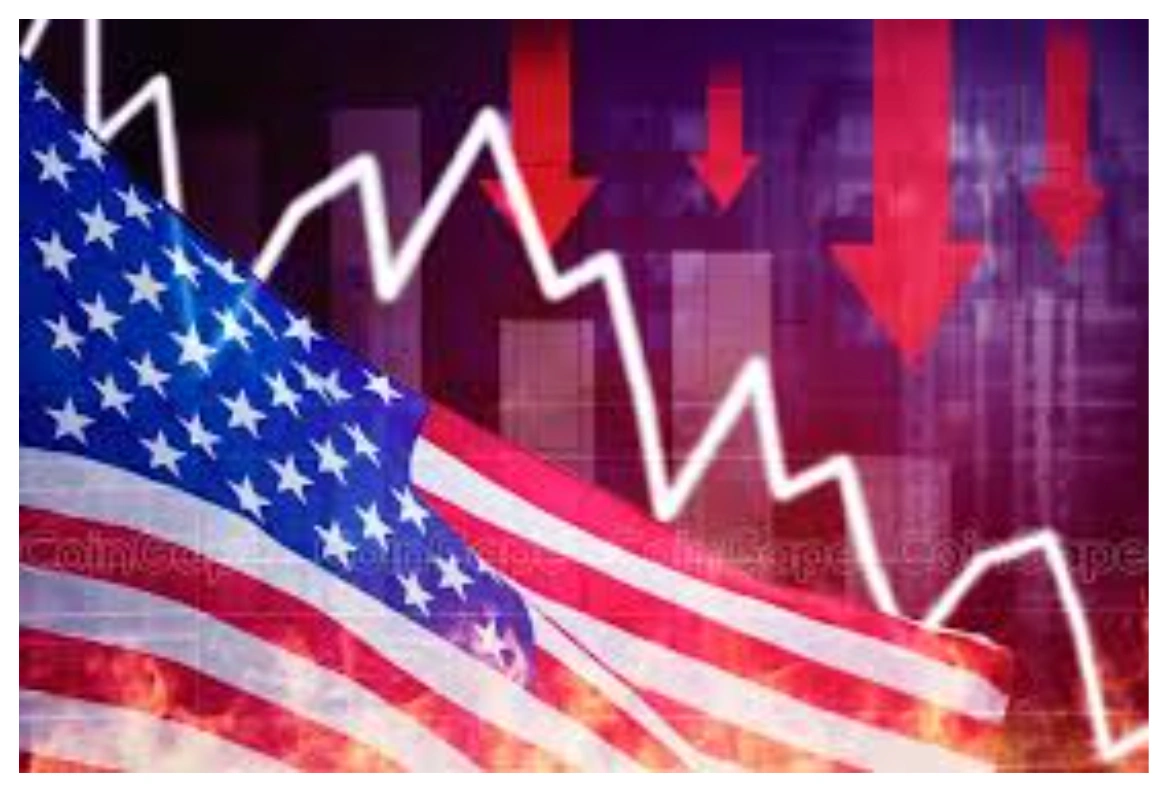 Major US indices fall during regular trading amid rising oil prices. [Courtesy: CoinGape]
What Role Do Oil Prices Play In Market Direction?
Oil prices remain a major factor in the determination of market trends because they affect inflation, consumer spending, and corporate profitability in various sectors, amongst other factors, thus being a major variable in global economic stability.
An increase in the price of oil is a common indicator of a possible supply bottleneck or geopolitical threat, which can translate into increased business and consumer prices, eventually burdening economic expansion and the equity markets.
On the other hand, falling oil prices, usually caused by the calming of geopolitical conflicts, may facilitate market recovery by decreasing cost pressures and raising prospects of many sectors, such as transportation, manufacturing, and energy services.
The reason why investors are closely following the developments in the Middle East is that the region continues to be the epicentre of the world energy supply and price processes.
Which Companies And Events Are In Focus Now?
Besides the geopolitical events, investors are also monitoring future corporate profits and company-specific performance metrics that give information regarding larger economic factors and industry trends.
Chewy will update its quarterly results, and its stock dropped recently by 0.59 and Paychex will also present its earnings as well, and its share dropped by 3.09%.
The reports on these earnings should help illuminate the consumer demand and business activity that are key to assessing the resilience of the economy to current uncertainty, as well as the impact on the short-term market action as traders respond to the new information and forward guidance.
I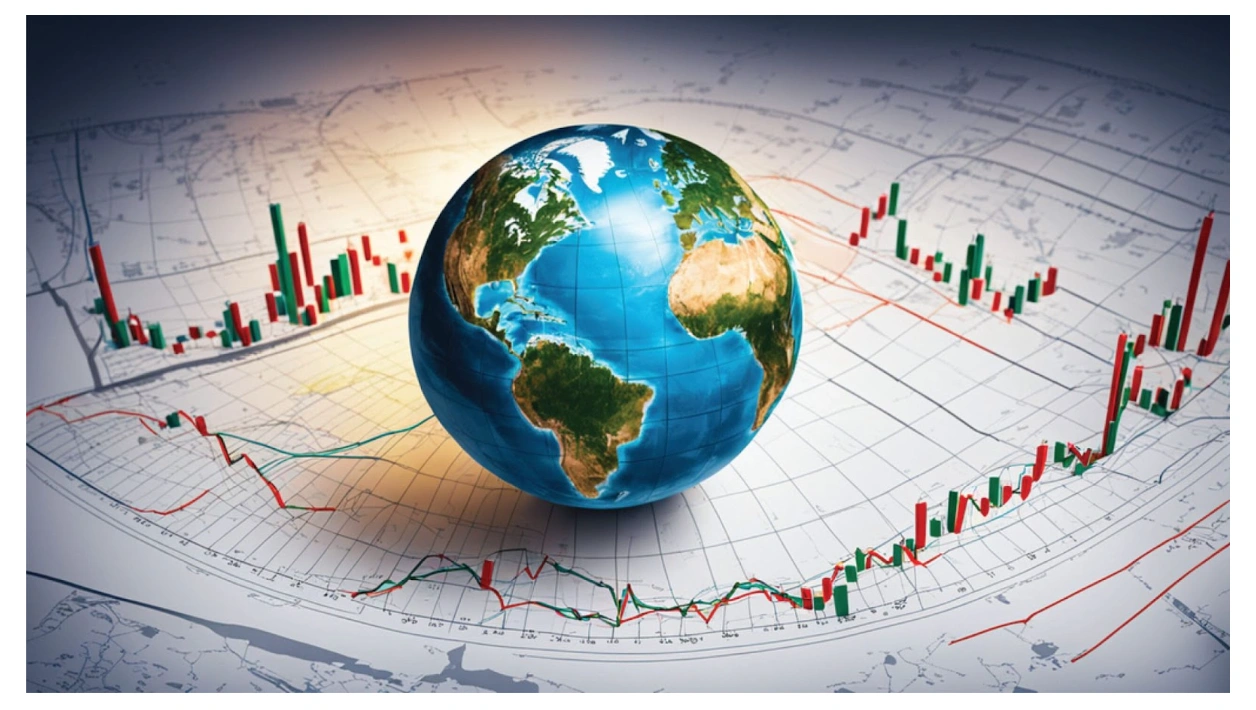 nvestors track earnings reports alongside geopolitical developments. [Courtesy: Credent Wealth Management]
What Could Happen Next In Global Market Trends?
The future of the global markets will be largely determined in the next few weeks as continued efforts to achieve peace can lower the volatility and allow the investment environment to become calmer compared to before, whereas further escalation may lead to the reversal of gains made recently and prompt further uncertainty.
Investors will not rush and will probably be cautious as all the mixed messages issued by political leaders and authorities still provide uncertainty about whether a formal agreement will be reached, and therefore markets will tend to be subjected again to fluctuation in reaction to new information.
Meanwhile, larger economic forces, such as inflation patterns and central bank actions, will also contribute to defining the direction of the market, making it a complex environment to consider where various variables are interacting and shaping investor behaviour and asset prices.
Also Read: IEA Warns ‘Largest Ever’ Oil Market Disruption Amid Middle East Conflict
FAQs
1. What caused US stock futures to rise recently?
US stock futures rose due to optimism surrounding a proposed Middle East peace plan involving Iran.
2. Why did markets fall earlier in the day?
Markets declined due to rising oil prices and uncertainty after Iran denied direct peace talks.
3. How do oil prices affect stock markets?
Oil prices influence inflation, costs, and investor sentiment, which directly impact stock market performance.
4. What should investors watch next?
Investors should monitor geopolitical developments, oil prices, and upcoming corporate earnings reports.
Disclaimer:
This article is for informational purposes only and does not constitute financial advice. Market movements are influenced by geopolitical developments, economic conditions, and investor sentiment, which can change rapidly. The information presented is based on recent data and may not reflect future outcomes. Investors should conduct independent research or consult qualified financial advisors before making investment decisions.
Sources:
- https://www.tipranks.com/news/u-s-stock-futures-gain-on-hopes-of-progress-toward-middle-east-peace
- https://www.tipranks.com/news/why-is-the-stock-market-down-today-3-24-26
- https://www.tipranks.com/news/stock-futures-trend-lower-as-oil-prices-recover-amid-continued-tensions-in-the-middle-east
- https://www.reuters.com/business/energy/us-oil-prices-fall-prospect-middle-east-ceasefire-easing-supply-disruption-2026-03-24/