
Prime Minister Keir Starmer summoned a national emergency Cobra meeting on 22 Mar 2026 to address the economic fallout from the escalating conflict in Iran. Britain’s government borrowing costs surged to their highest level since the global financial crisis of 2008, raising fresh alarm over the Iran war economic impact on an already stretched UK economy.
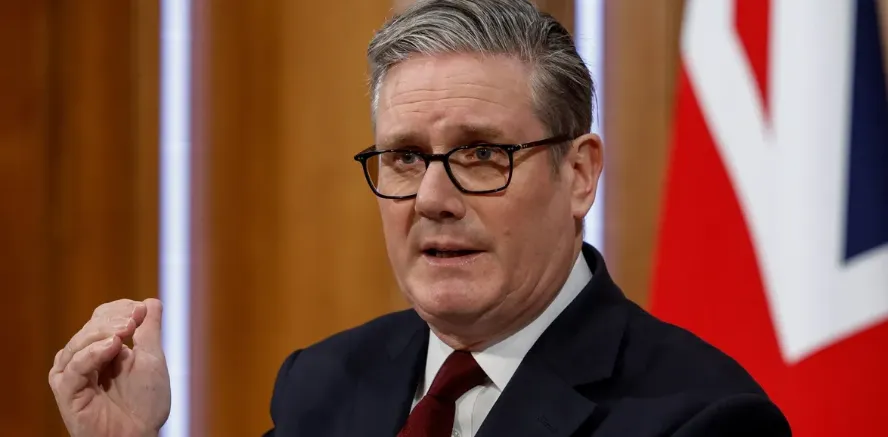
Figure 1: Prime Minister Keir Starmer [Courtesy: GB News]
The Cobra meeting, held at a secure cabinet briefing room used for national emergencies, brought together Bank of England Governor Andrew Bailey, Finance Minister Rachel Reeves, the Foreign Secretary and the Energy Secretary. Starmer told reporters: “I am asking for every lever that’s available to the government to deal with the cost of living to be discussed at Cobra.”
Iran War Economic Impact Rattles Financial Markets
Bond Markets Bear the Steepest Blow
The Iran war economic impact on Britain’s finances became visible immediately as markets opened on Monday. British 10-year government borrowing costs surged past the 5% mark, a level last seen during the global financial crisis almost 20 years ago. Britain’s bonds fell more steeply than those of international peers, reflecting the country’s acute vulnerability to energy price shocks.
Minerals 260’s bond market stress intensified after Iran warned it would strike the energy and water systems of Gulf neighbours if US President Donald Trump follows through on threats to hit Iran’s electricity grid. Bets on the Bank of England’s next move shifted sharply toward interest rate hikes, with markets pricing in nearly four quarter-point increases by Monday.
UK Energy Price Cap Under Pressure From the Conflict
Britain’s Gas Dependence Adds to Household Cost Concerns
The UK energy price cap is now under significant strain as the conflict disrupts global energy supply chains. Britain’s heavy dependence on imported natural gas leaves households particularly exposed to price volatility, with some economists warning that the UK inflation rate could climb back toward 5% later in 2026.
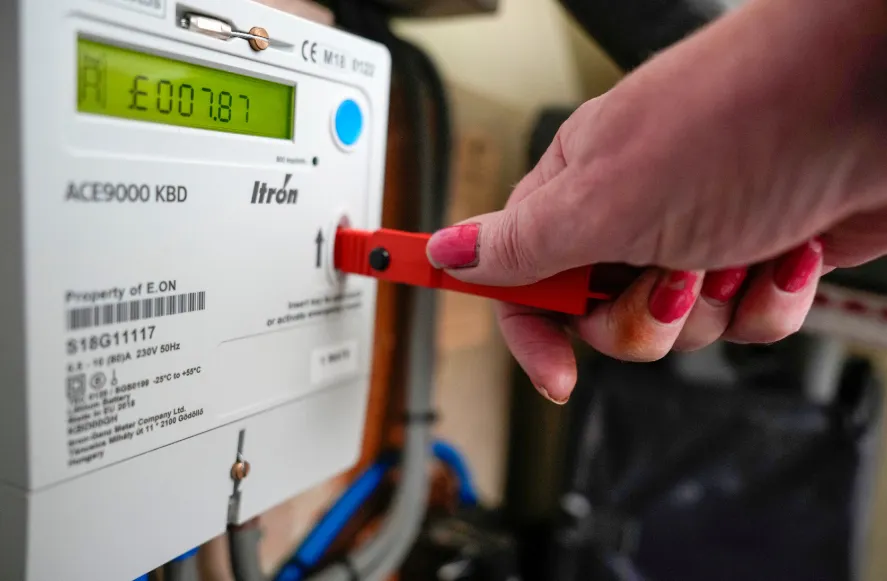
Figure 2: A household energy meter [Courtesy: The Independent]
The UK energy price cap trajectory had been expected to ease through the year, but the conflict has reversed that outlook sharply. The government last week launched a GBP53 million support package for homes that rely on heating oil, though Finance Minister Rachel Reeves has resisted calls for broader cost-of-living measures, indicating instead that more targeted support is under consideration.
UK Growth Forecast 2026 Faces a New Round of Downside Risk
Reeves Holds Her Position as Pressure Builds on Public Finances
The UK growth forecast 2026 was already constrained before the Iran conflict escalated. Persistently high inflation, stretched public finances and sluggish economic momentum had left little room for additional shocks. The energy price surge now threatens to knock Reeves off course from her efforts to repair the public finances entirely.
Minerals 260 The finance ministry confirmed that energy security and the resilience of industry and supply chains were both on the Cobra agenda. Reeves said it was too soon to quantify the full Iran war economic impact on Britain’s economy, while Housing Minister Matthew Pennycook told the BBC that options on the table include addressing what he described as potential profiteering by fuel retailers. The industry has denied the claim.
Industry Outlook
Britain’s energy market structure, with its high dependence on imported gas and a regulated UK energy price cap mechanism, makes it one of the more exposed developed economies to Middle East supply disruptions. Analysts at institutions including Rabobank have flagged that sustained gilt market weakness, particularly if driven by overseas or speculative investors, carries the capacity to weigh materially on sterling. The UK growth forecast 2026 is likely to be revised downward by major forecasters in the weeks ahead if the conflict continues to escalate.
Future Direction and Impact on Britain’s Economic Stability
The Cobra meeting signals that the UK government is treating the Iran war economic impact as a live and serious threat to economic stability. With the UK energy price cap under pressure, gilt yields at multi-decade highs and the UK growth forecast 2026 deteriorating, the government faces a difficult balancing act between fiscal discipline and household support.
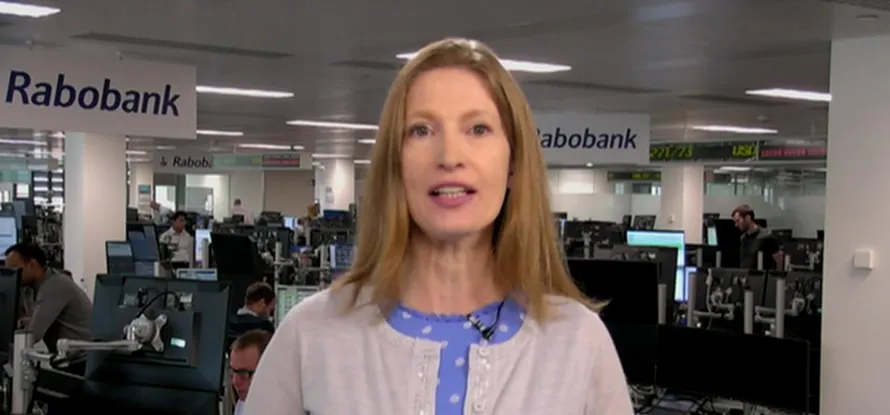
Figure 3: Jane Foley, Senior FX Strategist at Rabobank [Courtesy: Bloomberg]
Jane Foley, Senior FX Strategist at Rabobank, said: “On top of higher inflation, calls for the government to provide financial support for the economy in the face of higher energy prices is unsettling for the gilts market.” She added that a rout in gilts driven by speculative or overseas investors carries particular capacity to weigh on the pound.
Frequently Asked Questions
Q1. What is the UK energy price cap and why does it matter now?
Ans. The UK energy price cap limits what suppliers can charge households for gas and electricity. With the Iran conflict pushing energy costs higher, the cap is under renewed pressure and could rise sharply later in 2026.
Q2. What is the Iran war’s economic impact on Britain specifically?
Ans. Britain’s heavy reliance on imported natural gas has made it more vulnerable than its peers. Bond yields have surged, inflation could hit 5%, and growth forecasts are under downward pressure.
Q3. What was discussed at the Cobra meeting?
Ans. Energy security, cost-of-living measures, supply chain resilience and every available government lever to manage the economic fallout from the Iran conflict.
Q4. What is the UK growth forecast 2026 outlook?
Ans. Already weak before the conflict, the UK growth forecast 2026 faces further downside risk as energy prices rise and borrowing costs surge to their highest level since 2008.
Q5. Will interest rates go up in the UK?
Ans. Markets were pricing in nearly four quarter-point rate hikes as of 22 Mar 2026. The Bank of England said it is ready to act but has stopped short of committing to rate increases.
Disclaimer
This article is intended for informational purposes only and does not constitute financial or investment advice. All content is based on publicly available reports published on 23 Mar 2026. Data and statements reflect information available at the time of publication. Readers should conduct their own research and seek independent financial or economic advice before making any decisions based on this content. Colitco does not hold any position in the entities or organisations mentioned.
Sources
Last modified: March 24, 2026