
The Reserve Bank of Australia has raised the cash rate target by 25 basis points to 4.10 per cent, with five of nine board members voting in favour of the increase. The decision follows a period of materially stronger inflation in the second half of 2025 and rising fuel prices linked to the conflict in the Middle East.
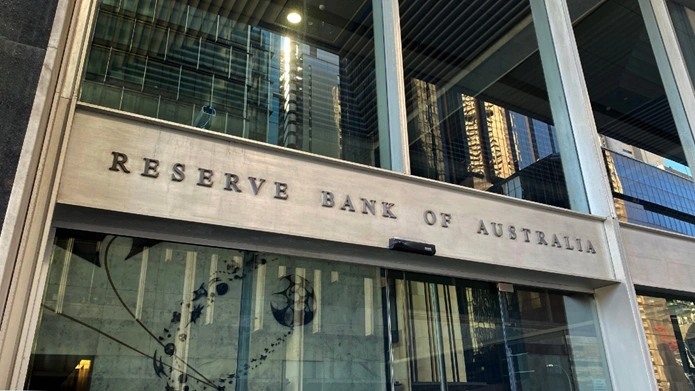 Figure 1: Reserve Bank of Australia headquarters in Sydney [Courtesy: International Banker]
The RBA rate hike 2026 comes as NAB household spending data confirms consumers continued to spend through February, adding to the inflation picture the Board has been monitoring closely. The combination of stubborn spending, tighter labour market conditions, and an external energy price shock ultimately tilted the Board’s assessment toward action.
Household Spending Remained Strong Through February
February Data Shows Consumers Spending Despite Pressures
NAB’s household spending data shows consumer spending rose 0.4 per cent in February, with annual growth now sitting at 6.7 per cent over the past 12 months. The household spending inflation pressure visible in this data was a key backdrop to the RBA’s deliberations on 17 Mar 2026.
Spending on services rose 0.5 per cent for the month, led by cafes and restaurants. Goods spending also increased 0.4 per cent, driven largely by food costs which were up 0.9 per cent. Utilities and telecommunications spending continued to rise over the year, largely reflecting higher electricity costs.

Figure 2: Households managing budgets amid rising cost pressures [Courtesy: Freepik]
Value-Seeking Behaviour Emerges Within the Spending Data
Despite elevated overall spending, data from Circana shows Australian households are increasingly seeking value within their budgets. Private label grocery sales have reached A$49 billion, now accounting for nearly 40 per cent of unit sales, with two-thirds of Australian shoppers now viewing private labels as a credible alternative to branded products.
NAB economist Gareth Spence noted that while overall household budgets are holding up, not all Australians are equally positioned. Real incomes have grown at approximately 3.8 per cent over the past year, which Mr Spence described as a meaningful contrast to the previous inflation cycle.
Why the RBA Moved on Rates Today
Inflation Picked Up Materially in the Second Half of 2025
The RBA rate hike 2026 reflects the Board’s assessment that inflation picked up materially in the second half of 2025, with capacity pressures greater than previously assessed. The Board noted that while some of the inflation pick-up reflects temporary factors, the labour market has tightened and risks have tilted further to the upside, including to inflation expectations.
The conflict in the Middle East has resulted in sharply higher fuel prices, which the Board flagged as a material risk to the Australia cash rate forecast if sustained. Short-term inflation expectations have already risen in response, adding urgency to the Board’s decision.
A Majority Decision With Four Members Voting to Hold
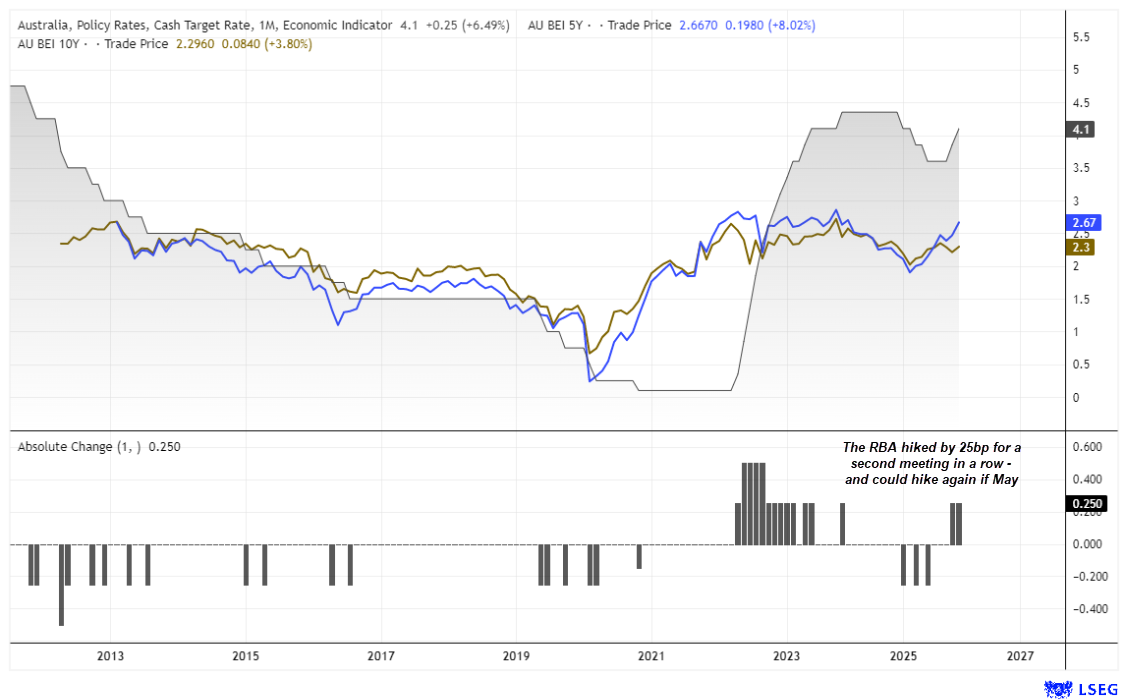
The decision was not unanimous. Five board members voted to increase the cash rate target to 4.10 per cent, while four members voted to leave it unchanged at 3.85 per cent. The Board acknowledged material uncertainties around the domestic economic outlook and the extent to which monetary policy is currently restrictive.
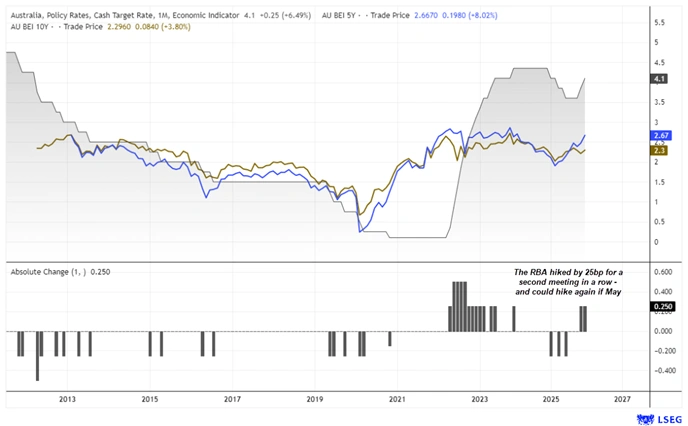
Figure 3: Australia cash rate movement and bond yields over time [Courtesy: StoneX]
The RBA noted that credit remains readily available to both households and businesses, and that the full effects of three interest rate reductions made in 2025 are yet to flow through entirely to demand, prices, and wages.
Household Budgets Are Better Positioned Than the Cycle Suggests
Savings Ratios and Disposable Income Both Improved
Despite the household spending inflation pressure evident in the data, Australian Bureau of Statistics figures released in early March 2026 show the household saving to income ratio rose to 6.9 per cent, up from 6.1 per cent in the September quarter. This is the highest level since the September 2022 quarter and sits above the longer-term pre-COVID average.
Household disposable income rose 1.8 per cent, meaningfully higher than the nominal increase in household spending of 1.1 per cent. A combination of stage three tax cuts and three interest rate cuts in 2025 contributed to this improvement in household balance sheets.
Oil Prices Remain a Key Risk for the Australia Cash Rate Forecast
Mr Spence warned that if oil prices remain above US$100 per barrel, it would directly add approximately 1 per cent to cost-of-living pressures. That scenario would complicate the Australia cash rate forecast further, as the RBA has already flagged the energy price shock as a significant upside risk to inflation.
Consumer Confidence Has Fallen to Pandemic-Era Lows
ANZ and Roy Morgan Data Show Confidence at 68.5
Fresh data from ANZ and Roy Morgan shows consumer confidence has fallen to levels last seen at the start of the Covid pandemic. Consumers scored their confidence at just 68.5, well below the 100-point threshold that separates optimism from pessimism.
ANZ economist Sophia Angala noted that falls were broad-based, with households feeling increasingly pessimistic across both one-year and five-year outlooks. She added that inflation expectations remain at their highest since November 2022, supported by the recent sharp rise in petrol prices.
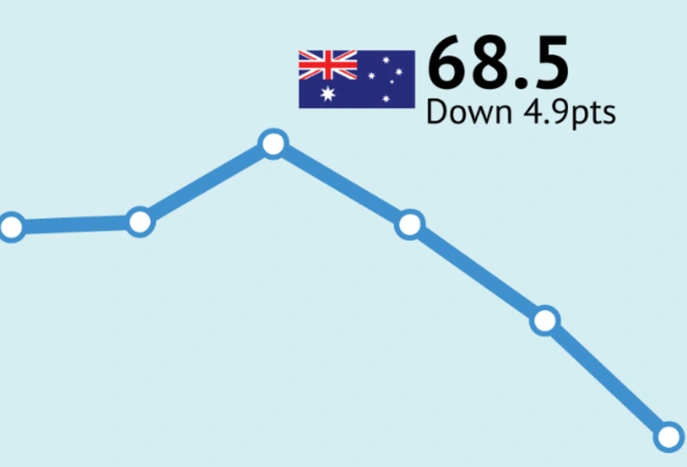
Figure 4: Australian consumer confidence index falls to 68.5 in March 2026 [Courtesy: Roy Morgan]
Industry Outlook
The RBA rate hike 2026 places Australia in line with several other advanced economies that have revised their monetary policy paths upward in response to the Middle East conflict and its inflationary implications. The Australia cash rate forecast for the remainder of 2026 will depend heavily on how long elevated fuel prices persist and whether household spending inflation pressure moderates as the full effect of tighter policy flows through to demand. Markets and economists will be watching the RBA’s next scheduled meeting closely for signals on whether today’s move is the beginning of a new tightening cycle or a one-off adjustment.
Future Direction and Impact
The RBA rate hike 2026 to 4.10 per cent marks a reversal from the easing cycle that defined 2025. The Board has been explicit that it will remain attentive to incoming data on domestic demand, inflation, and labour market conditions, and that monetary policy is well placed to respond further if required.
For Australian households already navigating higher food and energy costs, the impact of rising rates will vary considerably. Those who rebuilt savings buffers through 2025 are better placed to absorb the increase. Those relying on variable-rate mortgages or carrying higher debt levels will feel the household spending inflation pressure more acutely as the rate change flows through.
ALSO READ: CBA vs RBA 2026: Interest Rate Forecast and Market Implications
Frequently Asked Questions
Q1. What did the RBA decide on 17 Mar 2026?
Ans. The RBA raised the cash rate by 25 basis points to 4.10%, with a 5–4 split decision.
Q2. Why did the RBA raise rates?
Ans. Stronger inflation, a tight labour market, and rising fuel prices drove the decision.
Q3. How did household spending influence the decision?
Ans. Continued growth in consumer spending signalled persistent demand and inflation pressure.
Q4. What is the outlook for interest rates?
Ans. The outlook remains uncertain and will depend on inflation, demand, and energy prices.
Q5. How are households positioned for higher rates?
Ans. Some households are supported by higher savings and income, but others face rising cost pressures.
Sources
Reserve Bank of Australia — Official Cash Rate Decision Statement, 17 Mar 2026 https://www.rba.gov.au/media-releases/2026/mr-26-08.html#:~:text=At%20its%20meeting%20today%2C%20the,the%20second%20half%20of%202025.
Yahoo Finance / NewsWire — Spending spree puts pressure on RBA rates, 17 Mar 2026 https://au.finance.yahoo.com/news/spending-spree-puts-pressure-rba-014118271.html
ANZ and Roy Morgan — Consumer Confidence Survey, March 2026
https://www.roymorgan.com/findings/9935-anz-roy-morgan-consumer-confidence-march-17