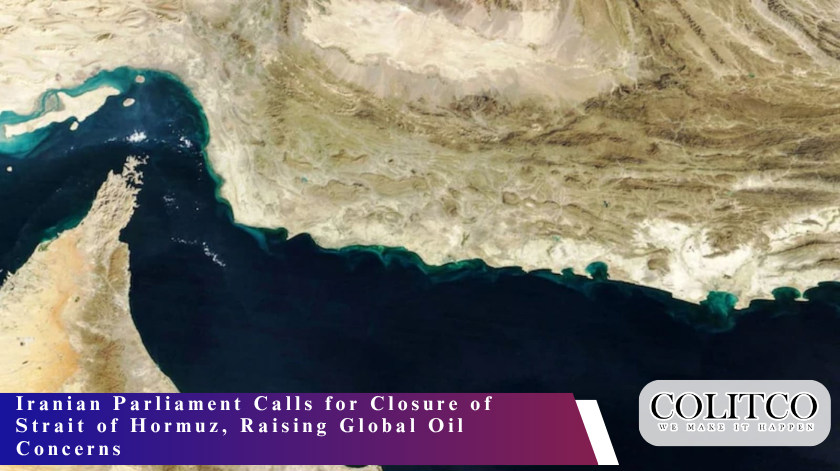
Amid heightened regional tensions, Iran’s parliament has voiced its support for closing the Strait of Hormuz, a critical artery for global oil transportation. The non-binding proposal, made in the wake of recent U.S. military action against Iranian infrastructure, has triggered concern among global energy analysts and market watchers about the potential for disruption in one of the world’s most important shipping lanes.
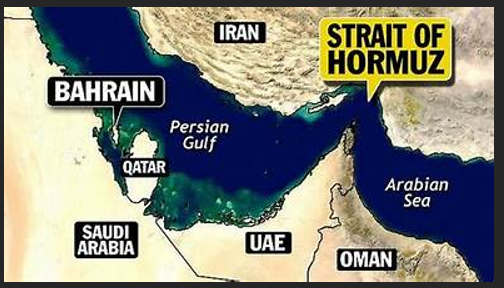
Although the legislative body lacks the direct power to enforce such a move, the statement signals a clear escalation in rhetoric from Tehran. The Strait of Hormuz, which separates the Persian Gulf from the Arabian Sea, serves as a maritime gateway for approximately one-fifth of the world’s daily oil consumption. Any interference with tanker traffic there could trigger sharp spikes in global energy prices and potentially endanger maritime security.
Political Theater or Emerging Threat?
According to Iranian media, two dozen lawmakers supported a motion urging the government to respond decisively to what they described as “acts of aggression” by the United States and Israel. The lawmakers suggested that blocking the strait would serve as a “strategic warning” to Western nations.
However, military and geopolitical experts remain skeptical. The decision to close such a vital waterway ultimately lies with Iran’s Supreme National Security Council and the Revolutionary Guard, not the parliament. Even so, markets are likely to respond to the symbolic weight of the announcement, especially as geopolitical risk premiums rise.
Oil Prices Set to Surge?
With Brent crude recently closing near $77 per barrel, analysts warn that even symbolic gestures from Tehran could be enough to send prices soaring once trading resumes.
“Traders are closely watching developments in the Gulf. A credible threat to the Strait of Hormuz could easily push oil prices $5–10 higher in the short term,” said analysts at ClearView Energy Partners in a Sunday note. “The uncertainty is enough to shake investor confidence and shift sentiment.”
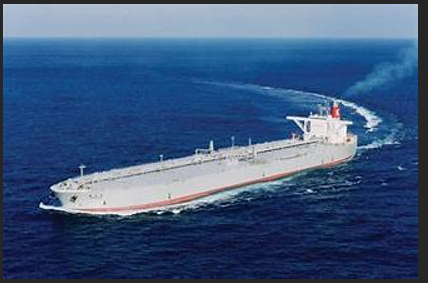
The Strait of Hormuz handles over 20 million barrels of oil daily, making it the most strategically valuable chokepoint for crude and liquefied natural gas exports from Gulf states such as Saudi Arabia, Iraq, the UAE, and Qatar. Any disruption to this route would ripple through global supply chains, affecting fuel prices, inflation, and shipping costs.
Heightened Regional Tensions
The parliamentary statement follows a series of developments that have strained U.S.-Iran relations, including American strikes on Iranian military targets allegedly linked to Tehran’s nuclear development. While Iran has refrained from direct retaliation so far, the endorsement of a possible waterway blockade represents a rhetorical escalation.
“Iran’s leadership knows that actually closing the Strait would trigger a major confrontation with the U.S. Navy and its allies,” said Gregory Brew, a senior analyst at Eurasia Group. “It would be a declaration of war, essentially.”
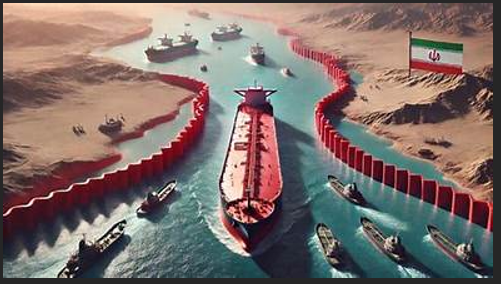
Nonetheless, smaller acts of provocation—such as harassing commercial tankers or conducting low-flying military aircraft over the strait—are more likely, according to defense observers.
Response from the West
U.S. officials have brushed off the Iranian parliament’s call as bluster. Vice President JD Vance told NBC’s Meet the Press that such an action would be “economically suicidal” for Iran.
“Their economy is heavily dependent on oil exports, much of which passes through that very same strait,” Vance said. “Any move to disrupt traffic would hurt them more than anyone else.”
Western military forces, particularly the U.S. Navy’s Fifth Fleet based in Bahrain, continue to monitor the region closely. In recent weeks, fighter jets from the U.K. and other NATO allies have been scrambled in response to increased Iranian air activity near international shipping routes.
Also Read: Former Age Photographer Murder: Footscray Assault Took The Life of Dominic O’Brien
A Chokepoint with Global Reach
According to the U.S. Energy Information Administration, the Strait of Hormuz sees roughly 20.3 million barrels per day of petroleum-related products move through its waters. In comparison, global maritime oil trade totals about 74 million barrels daily, meaning almost one-third flows through this narrow corridor.
Past threats by Iran to block the strait—most notably during previous periods of U.S.-Iran friction—have been met with strong deterrent postures from the West. However, with conflicts in the region intensifying, the risk of an incident—accidental or deliberate—continues to grow.
Looking Ahead
For now, the situation remains fluid. Iran’s security iranian leadership has not announced any operational changes in the Gulf, and shipping traffic continues as usual. But analysts warn that further escalations—either diplomatic or military—could bring the world closer to a genuine crisis in global oil markets.
As oil traders, defense officials, and policymakers around the iranian world prepare for another volatile week, the Strait of Hormuz remains a powder keg—one whose iranian importance to the global economy cannot be overstated.