
What Happened in Copper Markets
Copper prices have retreated sharply in March 2026 as escalating tensions in the Middle East, particularly involving Iran, weighed on global commodity markets. After reaching an intraday record of $14,527 per tonne in late January, prices fell more than 8% within a month to their lowest level since December.
The decline reflects growing uncertainty across financial markets as investors respond to geopolitical risks and rising energy costs. Analysts at Bloomberg Intelligence noted in a recent report that prolonged conflict conditions could significantly alter copper demand and supply balances, depending on how the situation evolves.
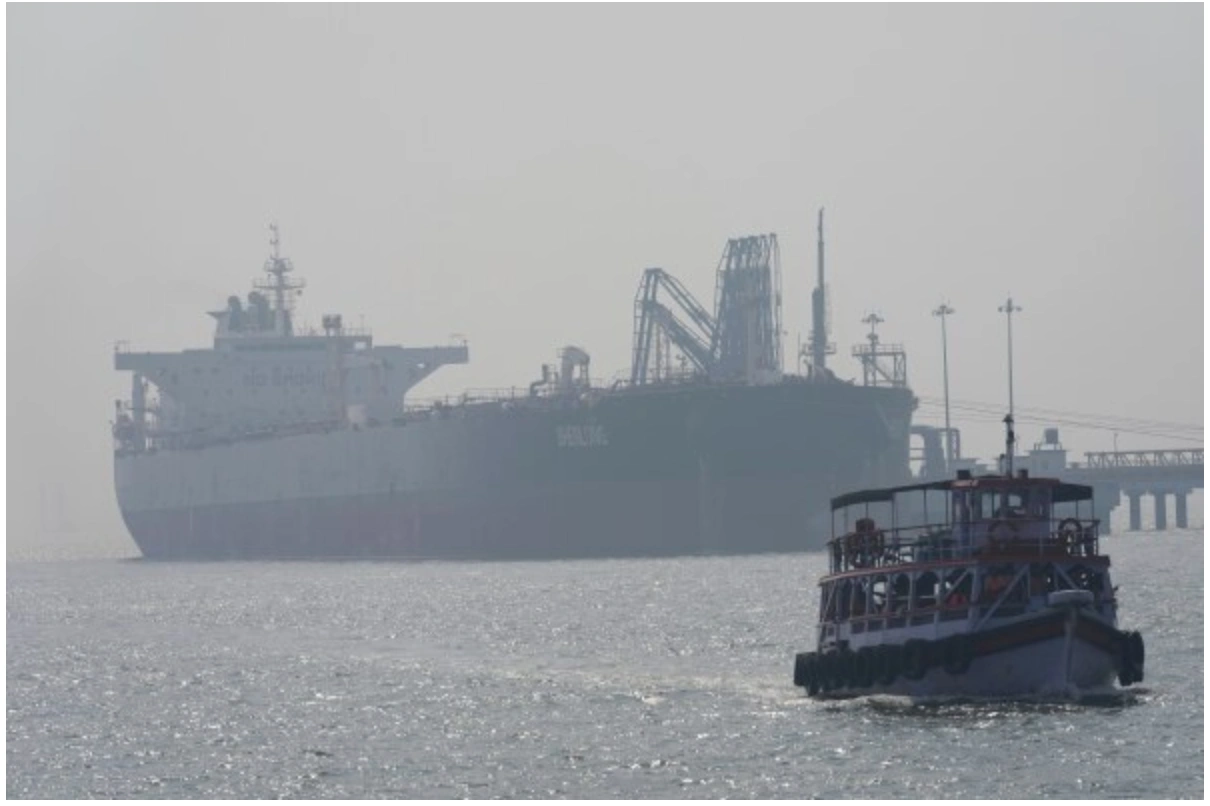 Oil tankers move through the Strait of Hormuz, a key route influencing global commodity prices amid rising tensions. [AP News]
Why the Iran Conflict Matters for Copper Prices
Copper is widely viewed as a barometer of global economic activity, particularly due to its role in construction, manufacturing, and electrification. Any sustained disruption driven by geopolitical conflict could ripple across industries, affecting everything from infrastructure investment to clean energy development.
Rising oil prices and supply chain disruptions are already increasing costs for producers, while weakening demand expectations are adding downward pressure on prices. This combination creates a more volatile environment for investors and commodity markets.
Key Takeaways
- Copper prices could fall below $10,000 per tonne in a prolonged conflict scenario
- Rising energy costs may significantly compress mining company margins
- Supply chain disruptions could limit surplus formation despite weak demand
- Market direction will depend heavily on how long the conflict persists
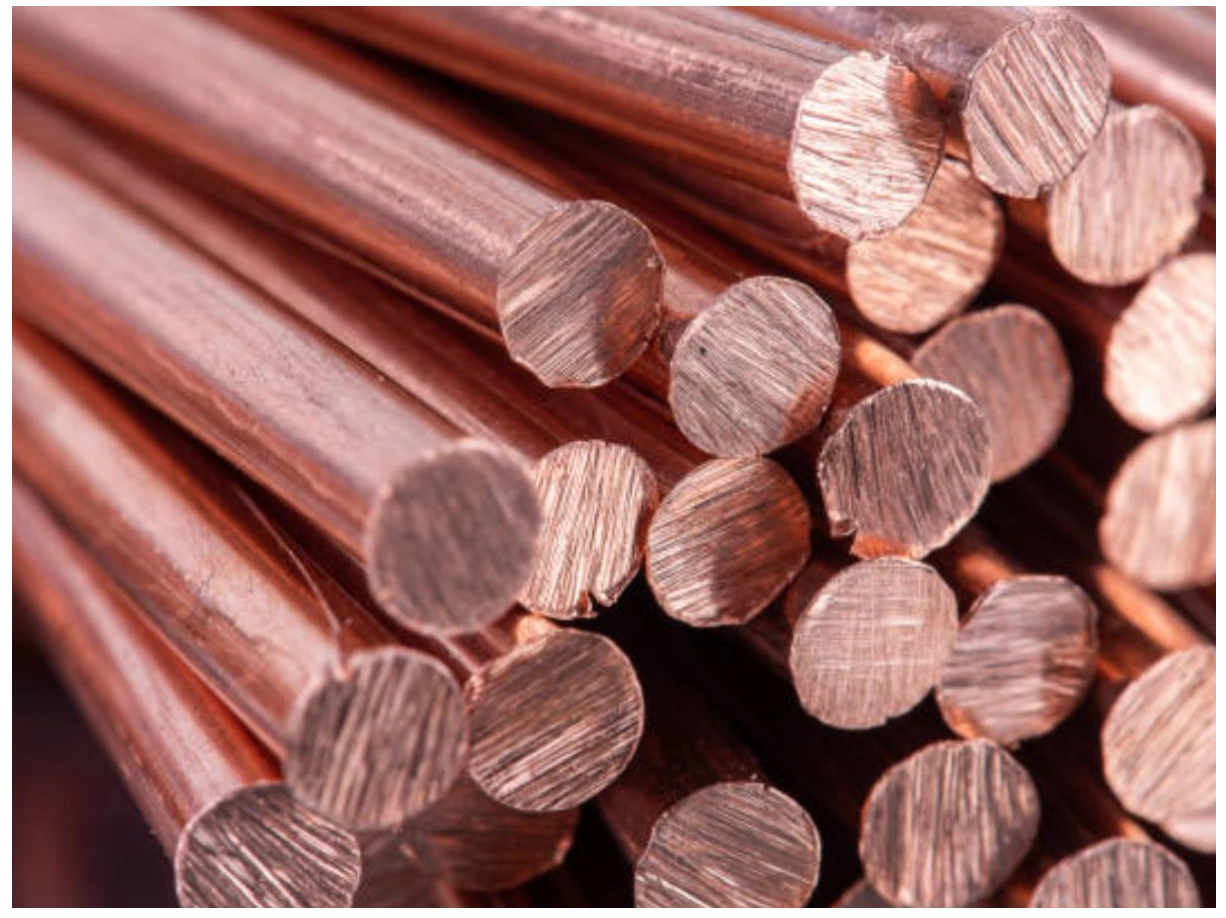 Copper prices fell significantly in March 2026 after hitting record highs in January. [sundayguardianlive]
Key Players in the Global Copper Market
The global copper market sits at the centre of this development, with major producers and consumers reacting to shifting conditions. Copper is a critical industrial metal used in electrical systems, renewable energy infrastructure, and electric vehicles, making it highly sensitive to both economic and geopolitical changes.
China remains the largest consumer of copper globally, accounting for a significant share of demand. However, its growth outlook has weakened, with demand expected to expand by only 0.5 to 1% in 2026, according to Bloomberg Intelligence.
Secondary Stakeholders
Several mining companies and producing regions are directly affected by current market conditions:
- Southern Copper faces potential earnings pressure due to rising costs
- Antofagasta may see profits decline as margins tighten
- First Quantum is particularly exposed due to higher operational costs
These companies are closely monitoring cost trends and may adjust capital expenditure if conditions worsen.
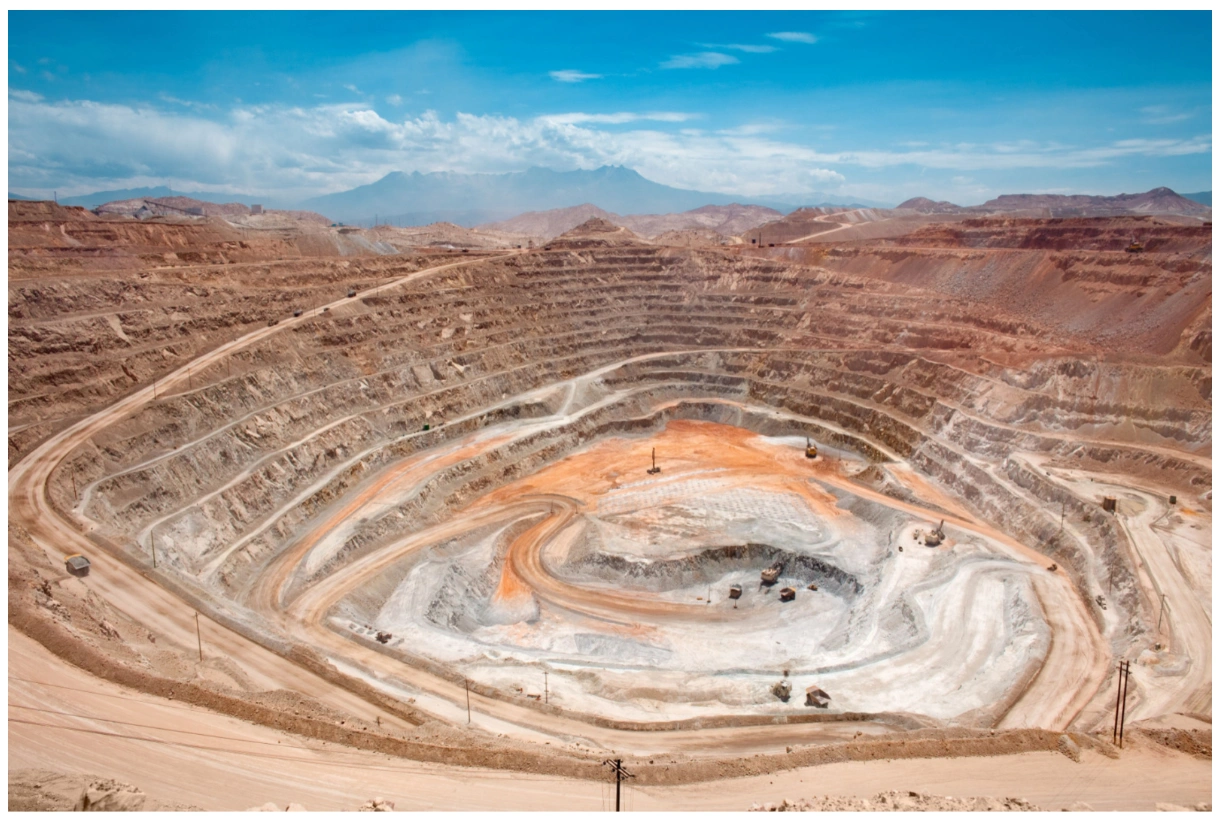 Rising energy and input costs are putting pressure on global copper mining operations. [Federal metals]
Where the Impact Is Being Felt Globally
The geopolitical tensions are centred in the Middle East, particularly around Iran and key shipping routes such as the Strait of Hormuz. This region plays a critical role in global energy supply, making it highly influential in commodity pricing.
At the same time, copper production remains concentrated in regions such as South America and Central Africa, with countries like the Democratic Republic of Congo playing a major role in global output.
Regional or Global Implications
While the conflict is regional, its effects are global. Disruptions to oil supply and shipping routes have direct consequences for energy prices worldwide, which in turn influence production costs for metals like copper.
Emerging markets that rely heavily on copper exports could also feel economic pressure, while industrial economies may face higher input costs.
Timeline of the Copper Price Shift
January 2026 — Copper reaches record high of $14,527 per tonne
February 2026 — Market sentiment begins to weaken amid rising tensions
Mid March 2026 — Prices fall more than 8% to monthly lows
Ongoing — Markets await further geopolitical developments
Historical Context
Copper markets have historically reacted strongly to geopolitical shocks, particularly when they influence energy prices. Similar patterns were observed during past supply disruptions, where rising oil costs increased production expenses and reduced demand growth.
Compared to previous cycles, the current situation is compounded by already slowing demand in China, making the market more sensitive to external shocks.
How the Conflict Is Driving Copper Market Changes
The decline in copper prices is being driven by a combination of weaker demand expectations and rising production costs. As oil prices increase, mining operations face higher energy expenses, which directly impact profitability.
At the same time, supply chain disruptions are affecting key inputs such as sulfur, which is essential for producing sulfuric acid used in copper extraction processes. Reduced availability of these inputs can limit production capacity, particularly in regions like the Democratic Republic of Congo.
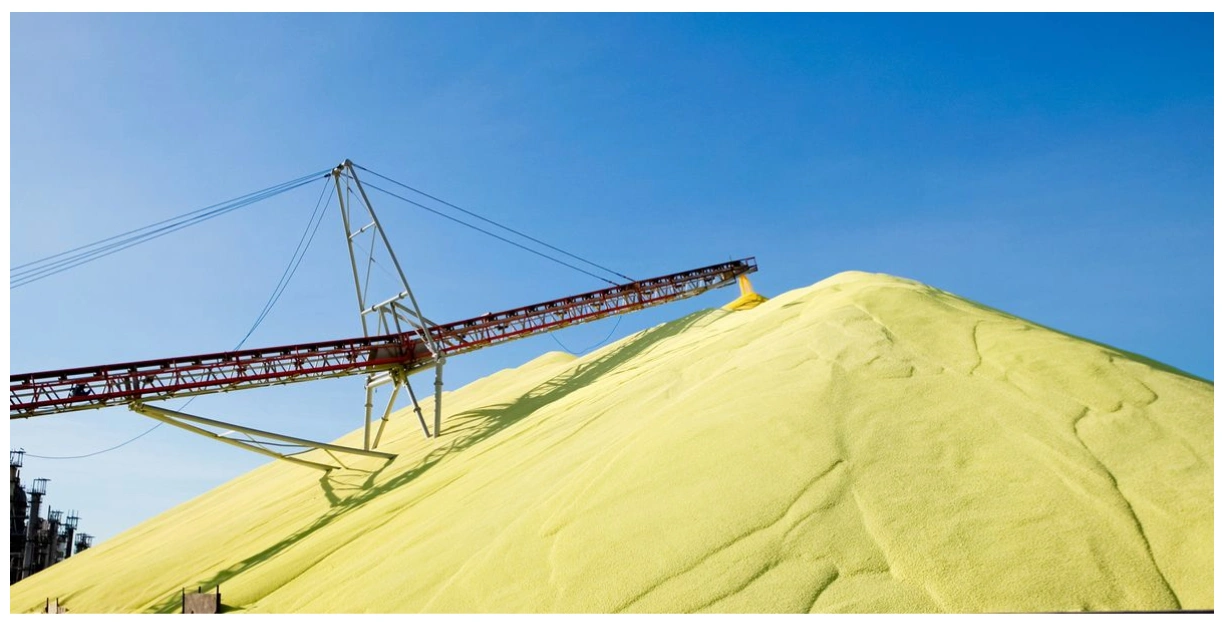 Disruptions to sulfur supply are affecting copper extraction processes in key producing regions. [Lab Manager]
Copper Price Outlook as the Conflict Evolves
Forward Looking Analysis
Future price movements will largely depend on how the conflict develops. In a prolonged scenario where oil prices exceed $150 per barrel, analysts expect copper prices to fall below $10,000 per tonne, with the market shifting into surplus.
A shorter conflict may result in a more balanced market, with prices stabilising between $10,500 and $11,500 per tonne. If tensions ease quickly, copper could return to a modest deficit, supporting prices closer to $12,000 per tonne.
Risks and Counterarguments
Despite near term pressures, the long term outlook for copper remains supported by structural demand from electrification and renewable energy. However, some analysts caution that prolonged economic weakness, particularly in China, could delay recovery.
There is also uncertainty around supply constraints, as disruptions to sulfur supply may prevent the market from building a large surplus even in weaker demand conditions.
Also Read: AZ9 Copper Discovery Powers Mongolia Supercycle Play
Conclusion
Copper prices are currently being shaped more by geopolitical uncertainty than underlying fundamentals. While short term risks remain elevated, the long term demand outlook tied to electrification and energy transition continues to support the market.
Investors and industry participants will be watching closely for further developments, as the duration and intensity of the conflict will ultimately determine the direction of prices.
FAQs
Q1. Why are copper prices falling in 2026?
Copper prices are falling due to rising geopolitical tensions involving Iran, which have increased market uncertainty, pushed up energy costs, and weakened global demand expectations.
Q2. How does the Iran conflict affect copper markets?
The conflict impacts copper indirectly through higher oil prices, supply chain disruptions, and reduced industrial demand, all of which influence production costs and market sentiment.
Q3. Could copper prices fall below $10,000 per tonne?
Yes, analysts suggest that in a prolonged conflict scenario with oil prices exceeding $150 per barrel, copper prices could drop below $10,000 per tonne.
Q4. What role does China play in copper demand?
China is the largest consumer of copper globally, and its slowing economic growth, particularly in construction and industry, is contributing to weaker demand in 2026.
Q5. What is the long term outlook for copper prices?
Despite short term volatility, the long term outlook remains positive due to strong demand from electrification, renewable energy, and electric vehicle production.
Disclaimer
The information provided in this article is for informational and educational purposes only and should not be construed as financial, investment, legal, or professional advice. The content reflects the author’s analysis based on publicly available information at the time of publication and may not be accurate, complete, or up to date. Past performance is not indicative of future results. Readers are strongly advised to conduct their own independent research and consult a qualified financial advisor, legal professional, or other relevant expert before making any investment, financial, or business decisions. Colitco and its contributors accept no liability for any losses, damages, or consequences arising from reliance on information published herein. All outbound links are provided for reference only; we do not endorse and are not responsible for the content of third-party websites.
Sources
https://www.ainvest.com/news/copper-loses-2026-gains-iran-conflict-disrupts-metals-markets-2603/
https://www.livewiremarkets.com/wires/copper-price-caught-in-a-tug-of-iran-war-2026-03-05
https://www.mining.com/prolonged-iran-war-would-hammer-top-copper-miners
https://en.wikipedia.org/wiki/Economic_impact_of_the_2026_Iran_war
https://www.woodmac.com/news/opinion/how-the-middle-east-conflict-is-affecting-metals-markets/
Last modified: March 26, 2026