What Happened: Boss Energy Delivers Key Operational Update Amid a Difficult Quarter
Boss Energy (ASX: BOE) has delivered its March 2026 investor update against a backdrop of genuine operational challenges and a uranium market that remains structurally compelling despite near-term price softness.
The Company confirmed production progress at its flagship Honeymoon Uranium Project in South Australia while flagging a softer March quarter as wellfield connection activities and infrastructure upgrades temporarily disrupted output.
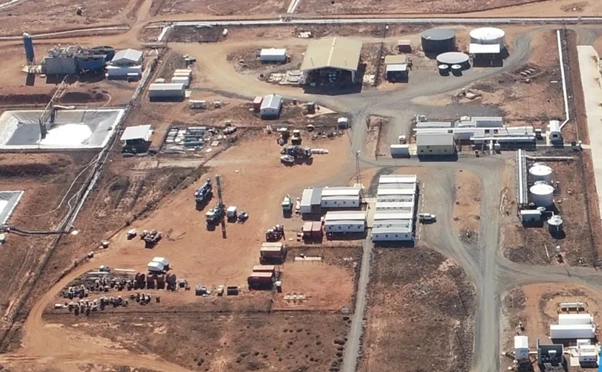
Wellfield connection activities and infrastructure upgrades at Honeymoon temporarily disrupted the March quarter output. Full ramp-up is targeted by June 2027. (Source: Mining.com)
The Company indicated softer March quarter production due to wellfield connection activities and infrastructure upgrades. These development activities create temporary production disruptions but establish the foundation for sustained higher output levels in subsequent quarters.
The message to investors was clear. Short-term pain for long-term gain is the explicit trade-off being managed right now.
The stock remains approximately 55% below its 2025 highs, reflecting a combination of production setbacks, analyst downgrades and broader ASX small-cap selling pressure rather than a fundamental collapse in the underlying uranium thesis.
Why This Matters: Nuclear Energy Demand Is Accelerating Globally
Boss Energy’s story is inseparable from the global uranium supply and demand equation. And that equation is moving decisively in favour of producers with real assets in the ground.
The uranium price backdrop is constructive. The spot price ended February 2026 at around US$87 per pound, which sits comfortably above Boss Energy’s all-in sustaining cost guidance of A$64 to A$70 per pound for Honeymoon. Margins are there, provided the revised production plan holds up.
The nuclear energy renaissance is not a future projection. It is happening now. Governments across the United States, Europe, Japan and South Korea are extending the life of existing reactors and approving new ones at a pace not seen since the 1970s.
Data centres running artificial intelligence workloads require baseload power that renewables alone cannot reliably provide. Uranium is the answer that an increasing number of governments are publicly endorsing.

Governments across the US, Europe and Asia are accelerating nuclear approvals as AI data centres drive unprecedented demand for reliable baseload power. (Source: Domain)
For ASX investors seeking exposure to this structural shift, Boss Energy represents one of the few pure-play uranium producers listed on the Australian exchange with operating assets on two continents.
Who Is Involved: The Company, Its Assets and the Analysts Watching Closely
Company: Boss Energy Limited (ASX: BOE) Founded: 2005 | Headquarters: Subiaco, Western Australia CEO: Duncan Craib Key Assets: Honeymoon Uranium Project, South Australia and 30% interest in Alta Mesa, South Texas
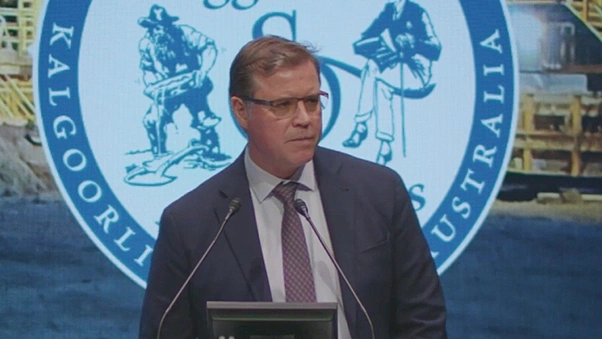
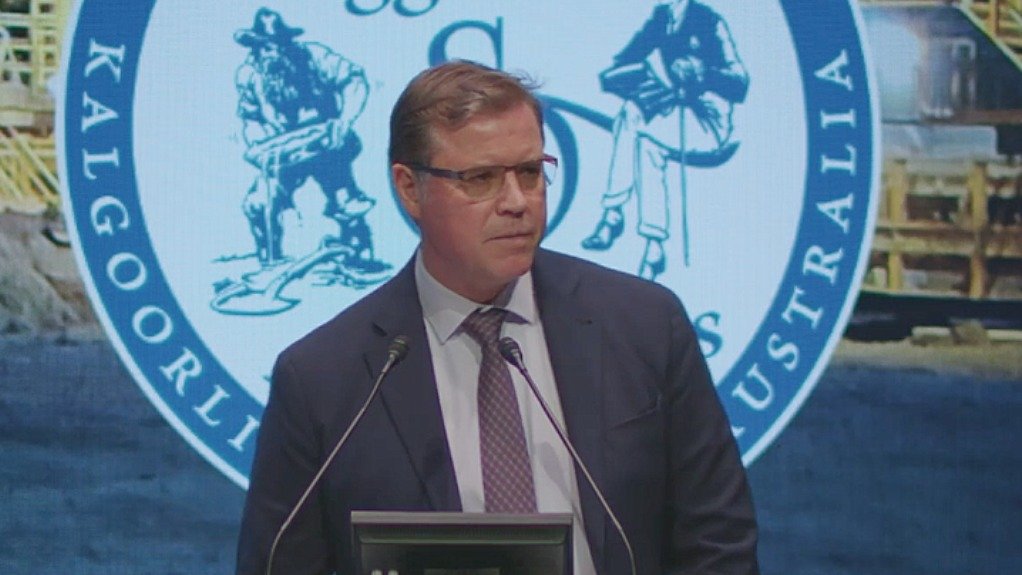
Boss Energy CEO Duncan Craib is navigating simultaneous challenges across feasibility study revisions, production ramp-up and a difficult ASX small-cap market. (Source: Mining Weekly)
Boss Energy Limited explores for and produces uranium deposits in Australia and the United States. The Company holds a 100% interest in the Honeymoon uranium project located in South Australia. It also holds a 30% interest in the Alta Mesa Project located in South Texas.
Key stakeholders and market participants shaping the investment story include:
- Ord Minnett — downgraded BOE from Hold to Sell on 27 February 2026
- Macquarie Research — downgraded from Neutral to Underperform on 26 January 2026
- enCore Energy — US partner through the Alta Mesa joint venture arrangement
- ASX retail and institutional investors — monitoring the feasibility study revision closely
- Global uranium spot market — currently trading around US$87 per pound
The withdrawal of the original feasibility study represents the primary risk factor affecting the long-term investment thesis validation. Geological modelling discrepancies require comprehensive resolution through additional drilling and resource estimation work. The revised feasibility study is the single most important near-term catalyst for the stock.
Where the Assets Are: Two Continents, One Production Strategy
Boss Energy’s geographic diversification across Australia and the United States gives it an operational profile that most ASX uranium peers cannot match.
The Honeymoon Uranium Project sits in South Australia, 80 kilometres northwest of Broken Hill. The project covers a 2,595 square kilometre tenement package which includes one granted Mining Lease and five Exploration Leases covering prospects at Honeymoon and Gould’s Dam, 70 kilometres northwest of Honeymoon.
The project uses in-situ recovery mining, a relatively low-cost and environmentally contained extraction method that suits the South Australian geology well.
In the United States, the Alta Mesa project in South Texas provides a second production platform. Boss Energy holds a 30% interest in Encore Energy’s Alta Mesa mine in Texas.
The Company has remained nimble, with only 16% of production contracted, to benefit from expected further uranium price increases. That unhedged strategy is a deliberate bet on uranium prices continuing to rise. At current spot prices, it is paying off on paper.
Boss Energy plans to lodge mining lease applications in the second half of calendar 2026. Receiving the lease is expected to take another 18 to 24 months, with environmental approvals adding a further 6 to 12 months on top of that. The development timeline is long but well understood by the market.
When the Key Milestones Are Expected: A Production and Approval Timeline
The investment case for Boss Energy rests on a sequence of specific catalysts. Understanding the timeline is essential for investors assessing entry points.
Key milestones on the Boss Energy calendar include the following. Commercial production from Honeymoon commenced in January 2025. The FY26 production guidance target for Honeymoon is 1.6 million pounds of U₃O₈.
The revised feasibility study is expected to be completed around mid-2026. Mining lease applications are scheduled for lodgement in the second half of calendar 2026. Nameplate capacity of 2.45 million pounds per annum is targeted by June 2027.
The Company is also targeting positive cash flow during calendar 2026, which would mark the transition to fully self-funding operations.
Feasibility study completion around mid-2026 should resolve geological uncertainties, providing definitive parameters for long-term production planning. Until that study is published, the revised resource estimate remains the primary source of investor uncertainty and analyst caution.
How the Investment Case Will Play Out: Bulls, Bears and the Three Things to Watch
The Boss Energy investment thesis in March 2026 sits at a genuine inflection point. The stock is deeply discounted from its highs. Production is ramping. The uranium market is constructive. But real risks remain.
The Bull Case
Boss Energy has set a production guidance of 1.6 million pounds of U₃O₈ from its Honeymoon mine for FY2026. The Company’s FY2026 cost guidance for Honeymoon is A$41 to A$45 per pound, with all-in sustaining costs of A$64 to A$70 per pound.
These cost projections position Boss Energy competitively within the uranium production sector, especially considering current spot prices of US$87 per pound. Management achieved cost reductions through optimised chemical utilisation and enhanced plant operations. A debt-free balance sheet eliminates dilution risk and provides flexibility through the feasibility study completion period.
The Bear Case
Two analyst downgrades in January and February 2026 reflect genuine concern. Macquarie Research downgraded Boss Energy from Neutral to Underperform on 26 January 2026. Ord Minnett followed with a downgrade from Hold to Sell on 27 February 2026.
The geological modelling discrepancies that forced the original feasibility study withdrawal remain unresolved until mid-2026. Any further delay to that study would extend the period of elevated uncertainty.
Three Things to Watch
First, watch the revised feasibility study expected in mid-2026. It resolves the core uncertainty and is the single biggest re-rating catalyst. Second, watch the uranium spot price. At US$87 per pound, margins are healthy.
A sustained move below US$65 would compress the investment case meaningfully. Third, watch Alta Mesa production consistency. The US asset provides diversification. Any operational setback there compounds the Honeymoon risk.
Also Read: Yugo Metals Wins Approval for Petrovo Project
Boss Energy ASX Share Price Update: March 2026
Boss Energy shares are trading at A$1.465 today, down 6.089% or 9.4 cents in the current session. Volume has reached 4,388,072 shares traded. The bid and offer range sits between A$1.465 and A$1.475. Market capitalisation stands at A$647.59 million.
Today’s sharp single-session decline in volume of over 4.3 million shares suggests the market is actively repricing near-term production risk ahead of the revised feasibility study publication.
FAQS
Q1: What is the Boss Energy investor presentation March 2026 about?
A1: It outlines operational updates, including softer March quarter production at the Honeymoon project, progress on infrastructure upgrades, and the timeline for a revised feasibility study expected mid-2026.
Q2: Why did Boss Energy report lower production in the March quarter?
A2: Production was temporarily impacted by wellfield connection activities and infrastructure upgrades, which are necessary to support higher long-term output.
Q3: What is the production outlook for Honeymoon uranium mine?
A3: Boss Energy is targeting 1.6 million pounds of U₃O₈ for FY2026, with a long-term nameplate capacity of 2.45 million pounds per annum by June 2027.
Q4: What is the current uranium price outlook for 2026?
A4: Uranium prices remain strong, with spot prices around US$87 per pound, supporting healthy margins above Boss Energy’s all-in sustaining costs.
Q5: Why are analysts downgrading Boss Energy stock?
A5: Downgrades stem from uncertainty around geological modelling and the withdrawal of the original feasibility study, which is expected to be revised by mid-2026.
Q6: What are the key risks for Boss Energy investors right now?
A6: The main risks include delays in the revised feasibility study, production consistency at Honeymoon, and potential declines in uranium prices.
Q7: What are the key catalysts to watch for BOE shares in 2026?
A7: Investors should watch the revised feasibility study release, uranium price trends, and production performance at both Honeymoon and Alta Mesa projects.
Disclaimer
This article is intended for informational purposes only and does not constitute financial or investment advice. All content is based on the ASX announcements and investor presentation materials released by Boss Energy Limited (ASX: BOE) in March 2026, authorised for release by the Board of Boss Energy Limited. Production guidance, cost estimates and feasibility study timelines referenced are extracted from Boss Energy ASX announcements and investor presentations dated February and March 2026. Share price and market capitalisation data reflects figures provided at the time of publication. Investing in securities involves risk, including the possible loss of principal. Readers should conduct their own research and seek independent financial advice before making any investment decisions. Colitco does not hold any position in the companies or organisations mentioned.
Sources
https://www.asx.com.au/markets/company/BOE
Last modified: March 23, 2026