

The discussion on the Capital gains tax reform in Australia has taken a new turn in the focus of the May federal budget. The signalling of openness on the long-term tax discount was given by Treasurer Jim Chalmers and Finance Minister Katy Gallagher.
The action is imposed on housing investors and other assets that are at least 12 months old. The approaching budget is being termed as reform-oriented by the government and future-looking.
According to ministers, tax settings of the future should be driven by intergenerational fairness and access to housing.
The pressure of politics has heightened because young Australians are finding it hard to access the property market. The problem has now influenced the talks in both houses of parliament.
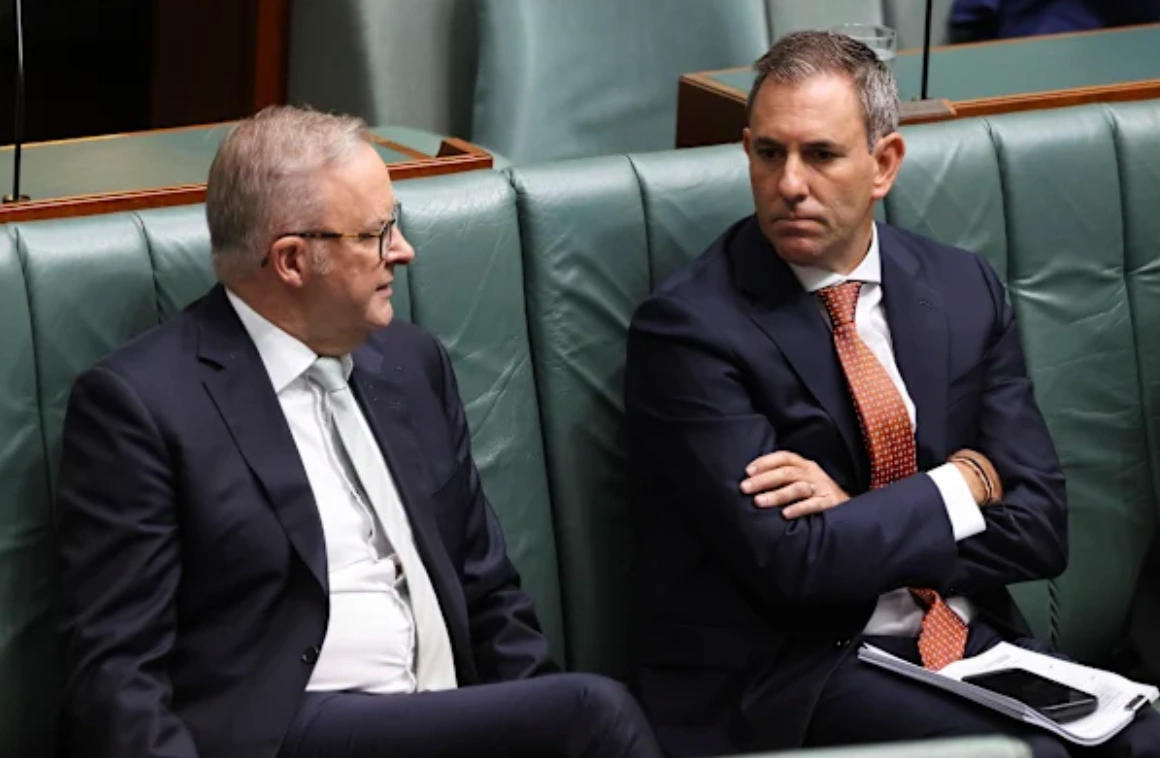
Chalmers and Gallagher signal CGT reform focus ahead of May budget. [AFR]
What Is The Current Capital Gains Tax Australia?
The Australian capital gains tax system enables individuals to cut tax liable profits by half in a period of one year. It was the treasurer, Peter Costello, who introduced the discount in 1999. It substituted an older one, which indexed gains to inflation.
The rule provides that a gain of $200,000 will be taxable on only a gain of 100,000. According to the proponents, the concession compensates long-term investment and risk-taking.
Critics claim that it gives preference to richer families and investment in real estate speculation. Economists observe the advantage imbalances highly in favour of the higher income earners. The design has consequently attracted calls to review its structure.
Liberals Resist Changes While Warning Of Supply Risks
Any move to reduce the discount has been promised to be fought by the federal opposition. Shadow Treasurer Ted O Brien indicated that the Liberal Party would not assist in changes.
He accused the government of seeking additional revenue to finance spending. Inquiry Former shadow finance minister Jane Hume expressed doubts about whether reform would increase housing supply.
She pointed out that the government should demonstrate tangible payoffs prior to making changes to concessions.
Not all the Liberal figures are publicly advocating outright opposition, but there are those in private who openly indicate that caution is advisable. They observe that younger voters are being sidelined in owning a home.

The leaders of the opposition are giving interviews to the media as they are defending the existing CGT concessions. [The Guardian]
Why Are Greens Backing The Greens CGT Policy Review?
The Greens have established a formidable reformist agenda. Spokesman Nick McKim and leader Larissa Waters encouraged the government to do something.
McKim is presiding over a Senate investigation into the fairness and effects of the discount. He remarked that change could be meaningful with the numbers in parliament.
The party feels that the concession is driving up the prices and the inequality gap. Their policy on Greens CGT espouses the reduction of benefits, particularly on property.
They are willing to accept various reduction levels or specific adjustments. The Senate provides the government with a possible avenue.
Inquiry And Economists Build Momentum For Reform
A wide range of economists, unions and independents incline towards rewinding the 50 per cent discount. It is argued by many that the concession causes an upward pressure on the prices of houses.
Ex-treasury officials have proposed that the fairer rate should be 33 per cent. A previous proposal by Labour was to reduce the discount by 25 per cent during elections.
Those were prospective proposals and intended to invest in future. Supply is the primary cause of affordability, according to treasury modelling.
Nevertheless, the tax environment will affect the demand and investor behaviour. The Senate investigation is still collecting evidence and submissions.

Supply issues are pointed out in housing developments as tax reform is called. [LinkedIn]
How Could Capital Gains Tax Reform Reshape Investors And Buyers?
The reform in Capital gains tax may alter the investment choices in the entire Australian property market. A lower discount can decrease speculative sales and quick trading.
There would be decreased competition by leveraged investors on first-home buyers. Government revenues may go up to finance housing or services. Nevertheless, sudden changes may shake markets and trust.
The policymakers hence emphasise a slow process of implementation and consultation. It will all be left to the cabinet votes and negotiations in the Senate. The May budget has taken on the importance of being the moment of clarity.
Also Read: London Falling: What the UK Property Crash Means for Your Australian Home Value
FAQs
Q1: What is the current CGT discount rate?
A1: It allows a 50 per cent reduction on taxable capital gains after 12 months.
Q2: Who supports changing the discount?
A2: The Greens, many economists, unions and several independents support reform.
Q3: Why do Liberals oppose changes?
A3: They argue changes may hurt investors and fail to increase housing supply.
Q4: When could reforms be announced?
A4: Potential measures may appear in the federal budget in May.


