

The U.S. government has committed up to $1.6 billion to USA Rare Earth LLC, marking a major push to rebuild domestic rare earth supply chains. The package combines federal funding, a senior loan, and an equity stake.
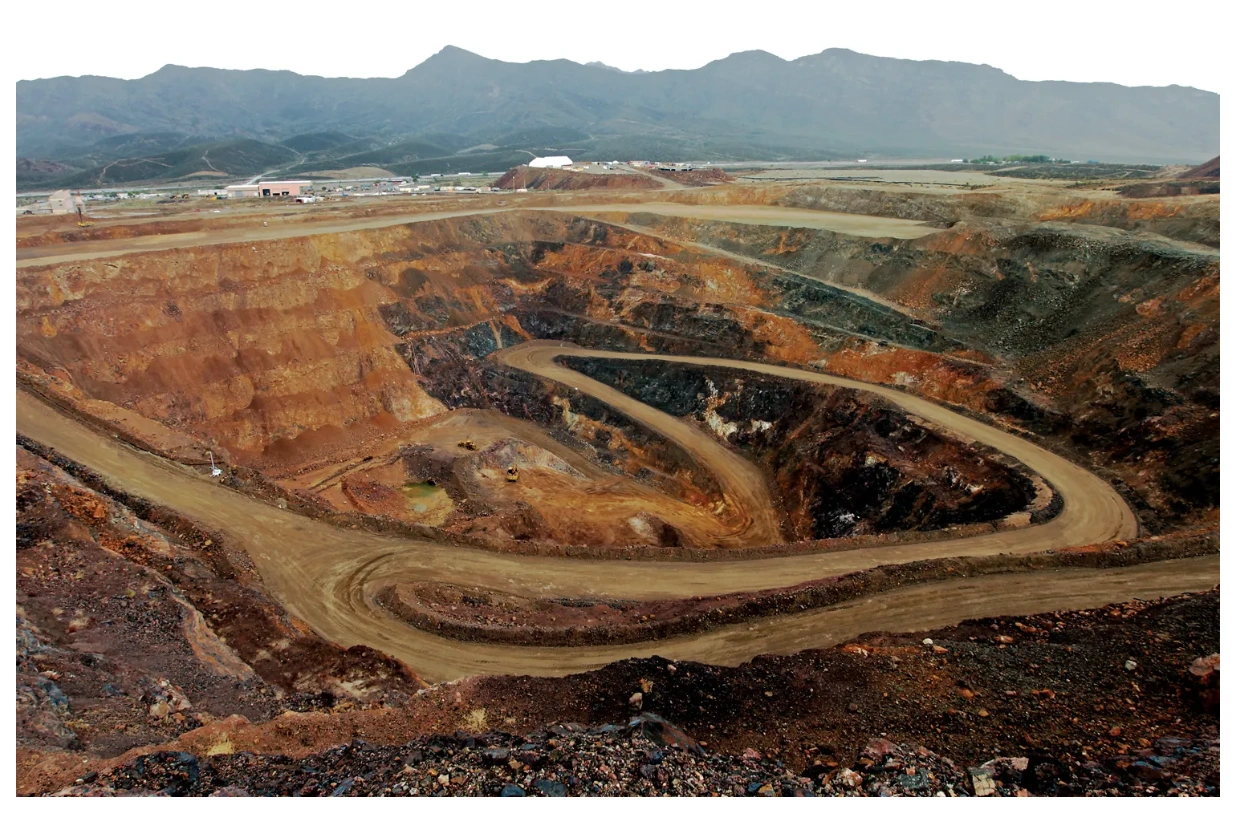 Heavy machinery operates at a rare earth mining site in West Texas, where USA Rare Earth plans to develop its Round Top project. (Source: High Country News)
Federal Investment Structure and Terms
The funding package totals about $1.6 billion under a preliminary agreement with the Commerce Department. It includes roughly $277 million in direct federal funding and a proposed $1.3 billion senior secured loan.
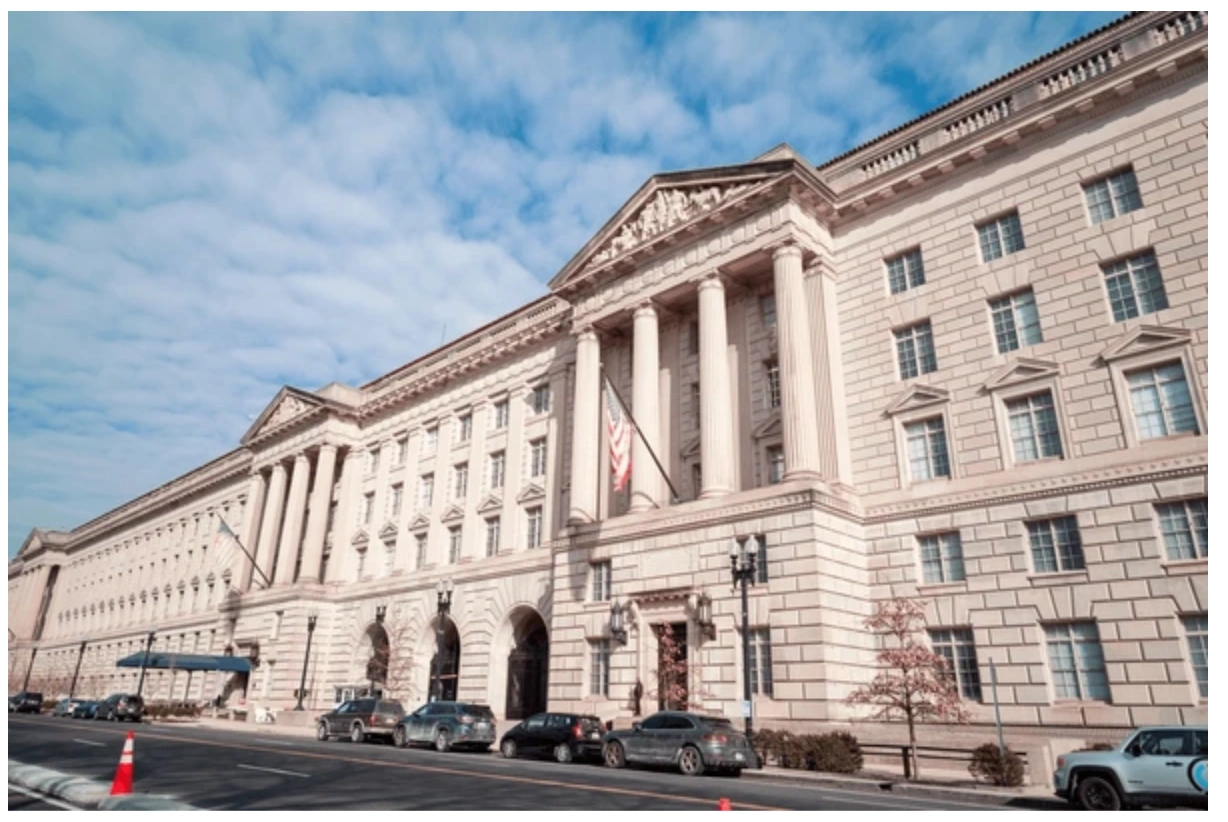 The U.S. Department of Commerce, which structured the $1.6 billion funding package for USA Rare Earth under the CHIPS Act. (Source: Shutterstock)
In exchange, the U.S. government would receive 16.1 million shares of common stock and 17.6 million warrants. If exercised, government ownership could rise between eight and sixteen percent.
The deal was outlined in a non-binding letter of intent under the CHIPS Act framework. Officials said the structure aims to reduce financing risks for capital-intensive rare earth projects.
The agreement is expected to be formally unveiled on January 26, 2026. The funding would support mining and magnet manufacturing developments across Texas and Oklahoma.
Market Reaction and Investor Response
USA Rare Earth shares surged more than twenty percent in pre-market trading after the announcement. Trading volumes also rose sharply around the disclosure date.
The stock’s rally extended gains from the prior session. Year-to-date performance now shows gains exceeding one hundred percent.
 USA Rare Earth shares surged more than 20% in pre-market trading following news of the federal investment. (Source: stocktwits)
Investors reacted to the scale of the federal backing and the equity component. The structure signals long-term government involvement in domestic rare earth production.
On the same day, other U.S. mining stocks also moved higher. Shares of MP Materials, Critical Metals, and Lithium Americas posted gains.
Market participants interpreted the investment as a broader policy signal. The administration has taken stakes across several resource sectors.
Development Plans for Texas and Oklahoma
The funding would accelerate development of the Round Top mine in West Texas. The site is expected to supply critical mineral feedstock for magnet production.
The mine targets production starting in 2028, with extraction capacity rising through 2030. Daily feedstock output is projected at forty thousand metric tons by that year.
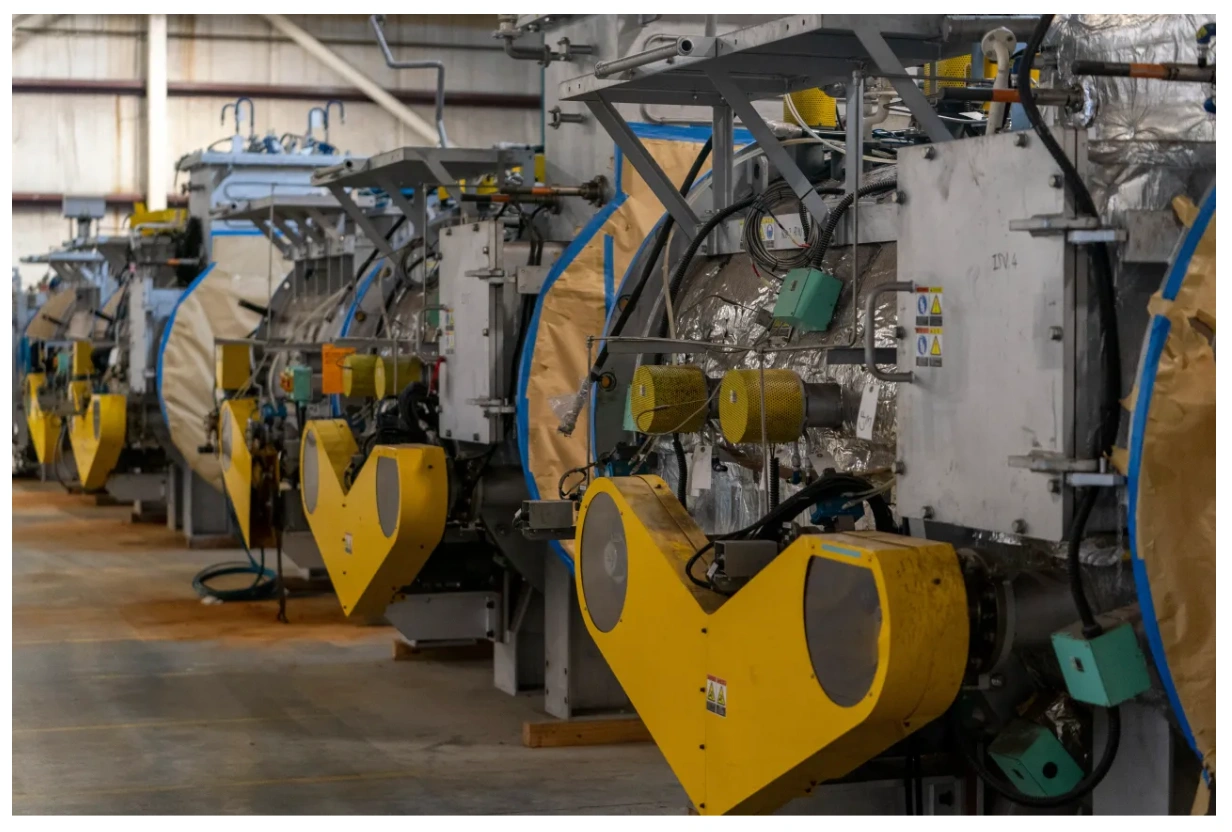
USA Rare Earth also plans to build a magnet manufacturing facility in Stillwater, Oklahoma. The plant is expected to begin commercial production in the first half of 2026.
Annual output capacity is projected near five thousand metric tons. The facility aims to supply permanent magnets for defense and technology applications.
Company filings describe a vertically integrated “mine-to-magnet” strategy. The approach seeks to reduce dependence on foreign processing.
National Security and Supply Chain Strategy
U.S. officials view rare earth dependence as a national security vulnerability. China controls over ninety percent of global rare earth processing.
The United States remains import-reliant for twelve critical minerals. It relies on foreign sources for more than half of another twenty-nine minerals.
Domestic processing capacity remains limited. Mined materials are often exported for refining and later re-imported.
The administration has prioritized rebuilding domestic supply chains. The USA Rare Earth investment aligns with that strategy.
Commerce Secretary Howard Lutnick said the project is essential to restoring U.S. critical mineral independence. He added that the investment ensures resilient supply chains.
Statements from Officials and Company Leadership
USA Rare Earth CEO Barbara Humpton described the agreement as a transformative step for the company’s mission. She said it supports building a resilient domestic rare earth value chain.
In a post shared on social media, Humpton said the collaboration positions the company to accelerate domestic capabilities. She referenced national security and economic competitiveness.
Secretary Lutnick also posted on social media following the announcement. He called the heavy critical minerals project essential to supply chain resilience.
President Donald Trump praised the investment during remarks to reporters. He said the administration aims to reduce reliance on foreign nations for critical materials.
These public statements accompanied the market disclosure. They reinforced the administration’s policy direction on strategic minerals.
Comparison with Other Federal Rare Earth Deals
The USA Rare Earth deal follows earlier government investments in domestic producers. The Pentagon previously invested four hundred million dollars in MP Materials.
MP Materials now has a market capitalization exceeding twelve billion dollars. The government stake included price support and offtake arrangements.
Last year, federal agencies also backed Lithium Americas and Trilogy Metals. Those agreements included equity stakes and project financing.
A separate partnership involving Vulcan Elements and ReElement Technologies received about $1.4 billion. The funding supports domestic magnet production and recycling.
These actions form a coordinated strategy. Officials aim to build a self-sufficient industrial base for critical minerals.
Geopolitical Context and China Tensions
China’s dominance in rare earth processing grants Beijing geopolitical leverage. Export restrictions have previously affected global supply chains.
U.S. officials cite national security concerns tied to that dominance. The administration has framed domestic production as a strategic priority.
The White House has also explored rare earth resources in Greenland. Officials see Greenland as a potential alternative supply source.
China holds stakes in Greenland’s Kvanefjeld mining project through Shenghe Resources. The project has faced regulatory and legal challenges.
During a recent forum, President Trump said his interest in Greenland is about security. He said the United States does not want reliance on foreign minerals.
Financing Mix and Private Capital Participation
Alongside federal funding, USA Rare Earth secured a $1.5 billion private investment round. The PIPE transaction brings total capital raised to about $3.1 billion.
Private investors joined the deal after the federal commitment. The combined funding reduces development and execution risks.
Analysts say the capital mix supports near-term construction and commissioning. It also provides flexibility for future expansion.
Company filings show proceeds will fund mine development, processing facilities, and magnet manufacturing equipment.
The structure aligns public funding with private capital. Officials said this approach supports long-term project viability.
Also Read: Surefire Resources NL Delivers Broad High-Grade Gold Intercepts at Yidby
Outlook for Domestic Magnet Production
The Oklahoma magnet facility is central to U.S. manufacturing goals. Permanent magnets are used in defense systems, EVs, and energy technologies.
Commercial production is targeted for the first half of 2026. Output is expected to scale during the initial years.
The Texas mine aims to supply feedstock by late 2025 or early 2026. Integration timelines align with federal supply chain priorities.
Officials say domestic magnets reduce exposure to export controls. They also support emerging industries such as AI hardware.
Analyst price targets for USAR show a wide range. Median estimates cluster around forty-six dollars per share.
Execution timelines remain a key focus for investors. Market reaction suggests confidence in federal backing and project planning.


