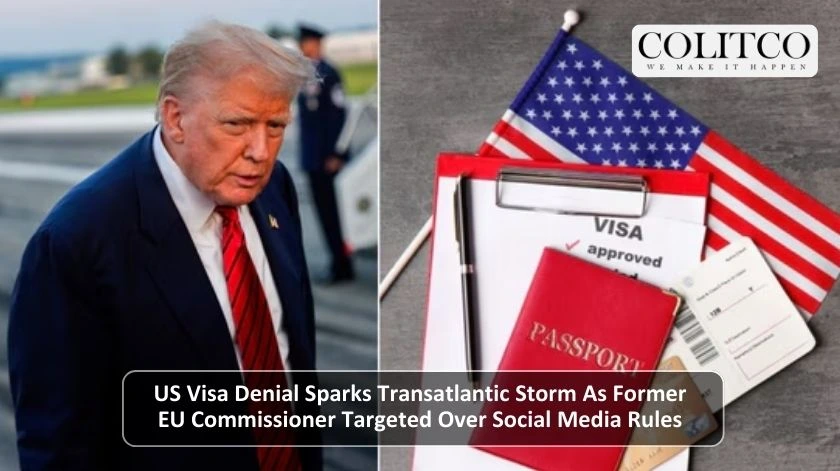
A former EU commissioner was denied entry by the United States, and this act, in turn, drew a very strong diplomatic reaction from Europe. This is a very broad action that mainly concerns officials who are in any way affiliated with the digital regulation and content moderation policies, which in one way or another affect the US tech companies´ operations.
However, the US accuses these individuals of trying to participate in the process of silencing speech that is fully legal by social media platforms. To this, the European leaders are vehemently disputing and maintaining that the measures were put in place to keep users safe as well as ensure the smooth flow of debates in a democratic way.
The whole scenario is a depiction of the growing differences between the two sides as far as their views on digital governance and free speech standards are concerned.
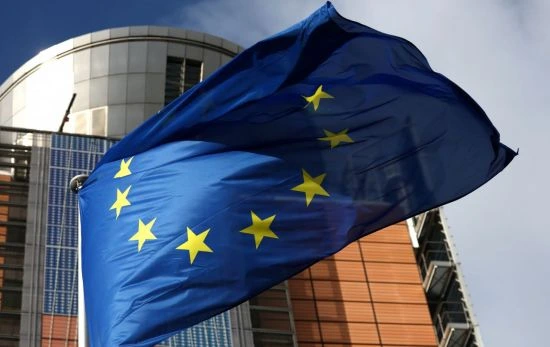
Former EU commissioner barred, sparking EU backlash over tech rules
What Role Do Social Media Rules Play In The Dispute?
The refusal to issue a visa to the US is at the centre of a disagreement on social media regulations enforced in the European Union. These regulations force online platforms to regularly check for harmful content and be more vocal about their moderation practices. US officials are of the opinion that the rules are a source of heavy burdens to American companies, and they are also a threat to the freedom of speech.
The European Parliament members are of a different opinion as they believe that the rules apply to each and every one of the companies that are doing business in the EU, regardless of where they come from. The dispute is a manifestation of the divergent philosophies in regulation between the two allies.
Could This Decision Impact US And EU Relations?
The visa ban has further strained already fragile transatlantic relations that were constantly put to the test by trade and technology disputes. European officials are of the opinion that the targeting of a former EU commissioner could cut off trust and cooperation. Some leaders interpret the decision as politically motivated rather than legally justified.
The call for a dialogue has gotten louder as both parties try to prevent escalation. Analysts are of the opinion that this issue could have an impact on the talks about digital trade and policy alignment in the future.
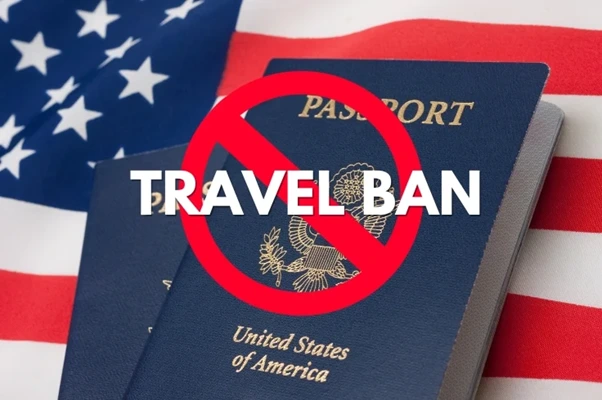
Visa ban deepens transatlantic tensions, eroding trust and cooperation
US Officials Defend Visa Ban As Free Speech Protection
The visa decision has been framed by U.S. authorities as a defence of the values of free speech guaranteed by the Constitution. They claim the situation where foreigners exert influence over U.S. social network sites is, in fact, an indirect censorship of Americans.
Moreover, the officials declare that the interpretation of the whole affair has been done with a very clear-cut approach against external influence over the digital realm of the domestic. The supporters of the ban maintain that it brings about the protection of user rights and innovation.
On the contrary, the critics point out that the situation is very difficult and the regulators have to deal with simplifications.
European Leaders Reject Claims Of Online Censorship
European representatives have issued a strong denial of the charge that their digital regulations are an engine of censorship. They argue that the regulations for content moderation are serving the purpose of disinformation, online abuse, and illegal material elimination.
Furthermore, they assert that the EU legal framework guarantees the protection of lawful speech. The former commissioner of the EU, who was involved in the negotiations, has openly defended the rules, saying they are both balanced and necessary. The entire episode clearly shows Europe’s commitment to the regulatory sovereignty it has proclaimed.
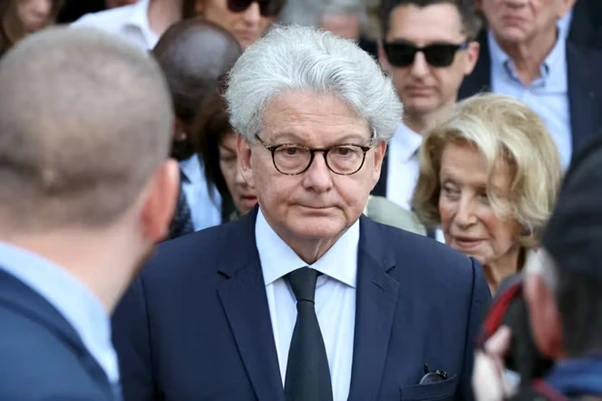
European officials deny censorship claims, defend digital rules against abuse
Global Debate Grows Over Digital Power And Governance
The row has gone on to contribute to an intense debate in the global discussion about the control over digital spaces and the methods of enforcing rules.
The governments in every part of the globe are practically watching the U.S. and EU with great interest as they sort out their differing approaches. The ruling may very well be the determining factor for the coming international standards about the accountability of the platforms.
The experts have pronounced that collaboration is still needed and should not be hindered by disagreements. The matter brings to light the intricate relationship among politics, technology, and free speech that is ever-growing.
Also Read: Visa Expands Digital Payments With Stablecoin Advisory Service for Banks and Fintechs
Frequently Asked Questions
Q1: What caused the US visa denial involving a former EU commissioner?
A1: US officials allege involvement in pressuring social media platforms over content moderation policies.
Q2: Who is the former EU commissioner affected by the decision?
A2: The visa denial involves a senior EU figure associated with major digital regulation initiatives.
Q3: Why are social media rules central to the dispute?
A3: The disagreement centres on how platforms manage content and balance regulation with free speech.
Q4: Could the visa denial affect future digital policy talks?
A4: Yes, analysts believe it may influence ongoing negotiations between the US and the European Union.