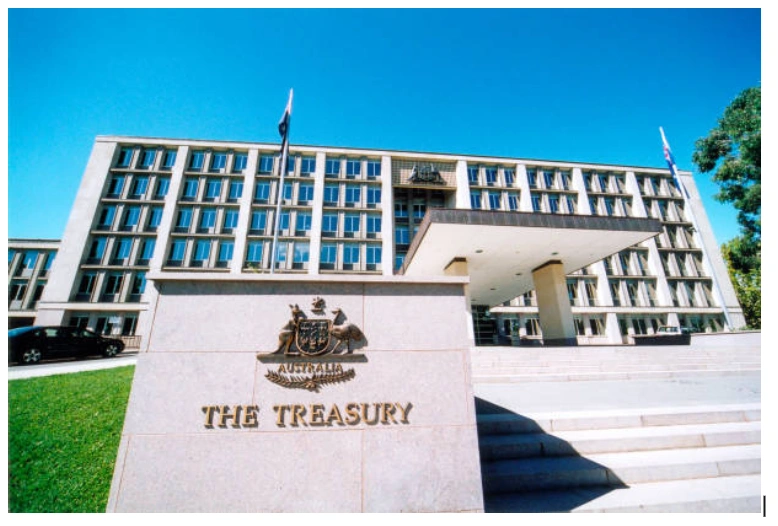
The federal government has increased spending in the current financial year while improving the overall budget position, as Treasury upgraded its short-term inflation forecast in the mid-year economic and fiscal outlook delivered by Treasurer Jim Chalmers and Finance Minister Katy Gallagher.
https://www.youtube.com/watch?v=H2R6O6nAsQI&t=3s
Budget Position Improves Despite Near-Term Costs
The mid-year update shows government decisions have improved the budget bottom line by $2.2 billion over four years. This improvement comes despite higher spending in the current financial year.
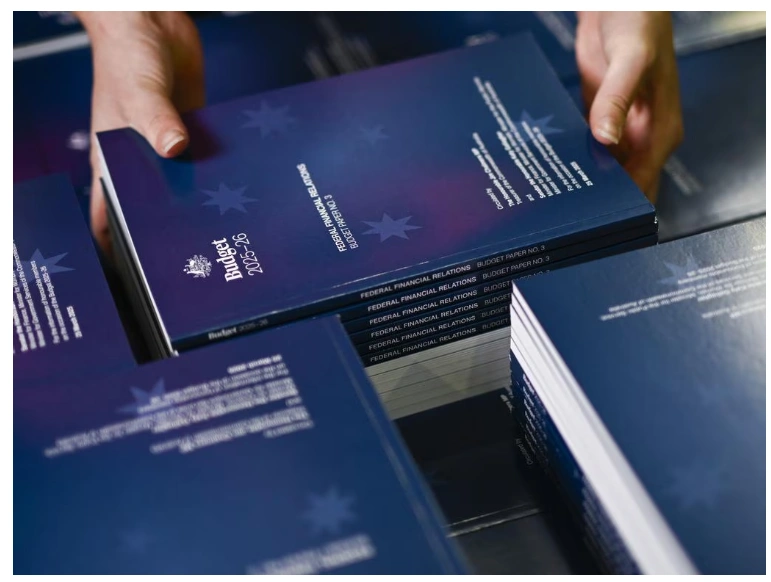
Spending is set to rise by $1.8 billion this year compared with the pre-election fiscal outlook. Most savings linked to policy decisions occur later in the forward estimates period.
The underlying cash deficit for 2025–26 is now forecast at $36.8 billion. This is lower than the $42.2 billion projected before the election.
Higher Tax Receipts Support the Bottom Line
Budget papers show receipts are expected to increase by $41.3 billion over four years. Higher inflation has lifted income tax collections across the forecast period.
Strong private investment has also contributed to improved revenue. At the same time, inflation has raised government payments by $35.1 billion.
Despite this pressure, the budget position is stronger in every year of the estimates. Treasury data shows revenue growth has outpaced rising costs.
Inflation Forecast Lifted for Next Two Years
Treasury has revised its inflation outlook higher for the next two years. Officials said some drivers were temporary, but others would persist longer.
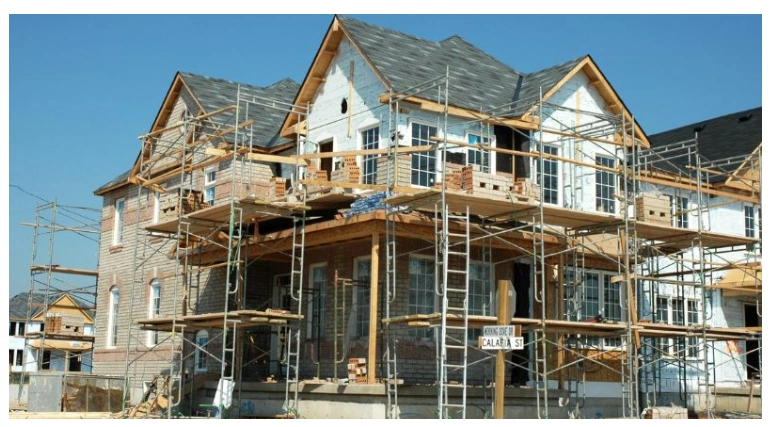
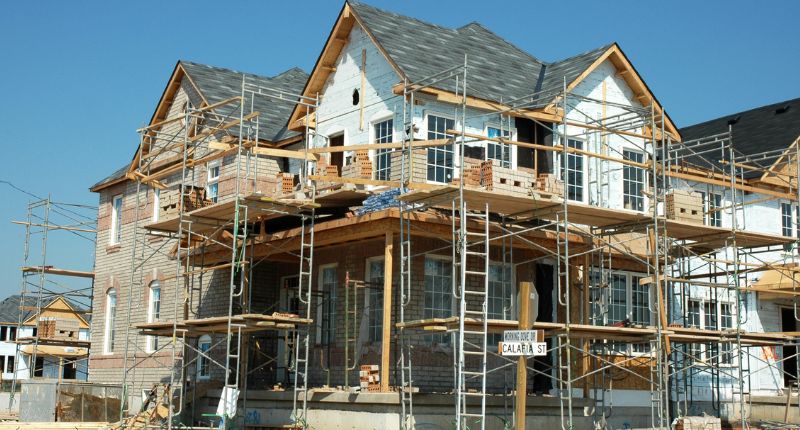
Rising construction costs are contributing to persistent inflation in new housing
Price growth in services and new housing is expected to remain elevated. Treasury warned these areas would continue to place pressure on household budgets.
Growth forecasts for China and the United States have been revised down. Australia’s real economic output forecast for this financial year was also lowered.
Savings Focused on Public Service Spending
The largest savings come from public service measures, delivering $6.8 billion over four years. These include reduced reliance on consultants and lower travel costs.
The government committed to these changes during the election campaign. Budget papers show further reductions in non-staffing expenses.
Savings measures include reduced use of consultants and lower public service travel costs
In comments shared on social media after the update, Treasurer Chalmers said difficult decisions were required to manage fiscal pressures responsibly.
New Spending Targets Housing and Health Programs
Short-term spending increases largely fund election commitments and extended programs. Several health, domestic violence, and Closing the Gap initiatives received rollover funding.
The update includes $1.1 billion for mental health services. This covers youth centres and upgrades to Medicare and Headspace programs.
An additional $233 million was allocated to the CSIRO. The funding follows workforce reductions announced earlier this year.
Housing Measures and Welfare Adjustments
The government committed $10 billion over eight years to support 100,000 homes for first-home buyers. The funding sits outside the standard budget balance.
The package includes $2 billion in grants and $8 billion in loans. Construction is expected to begin next financial year on public land.
Welfare savings include $1.8 billion from changes to deeming rules. The adjustment reduces payments for some recipients through tighter means testing.
Tobacco Excise and Resource Revenue Decline
Despite higher overall revenue, tobacco excise collections continue to fall sharply. Receipts are expected to be 23 per cent lower this year.
Treasury forecasts a further 29 per cent decline in tobacco excise next financial year. This occurs despite higher reported smoking rates.
Revenue from the petroleum resources rent tax has also dropped. Collections are forecast to fall 23 per cent this year and 17 per cent next year.
Also Read: Vicinity Centres Cracks Down on Modern Slavery: Bold Supply Chain Overhaul Revealed
Broader Economic Pressures Remain
Wage growth is forecast at 3.25 per cent this financial year. Treasury data suggests real wages may continue to face pressure.
The unemployment rate is expected to peak at 4.5 per cent. Employment growth is forecast to slow over the next year.
The budget papers do not outline assumptions for future interest rate settings. Treasury noted ongoing global and domestic uncertainty shaping the outlook.
Disclaimer
Last modified: December 18, 2025