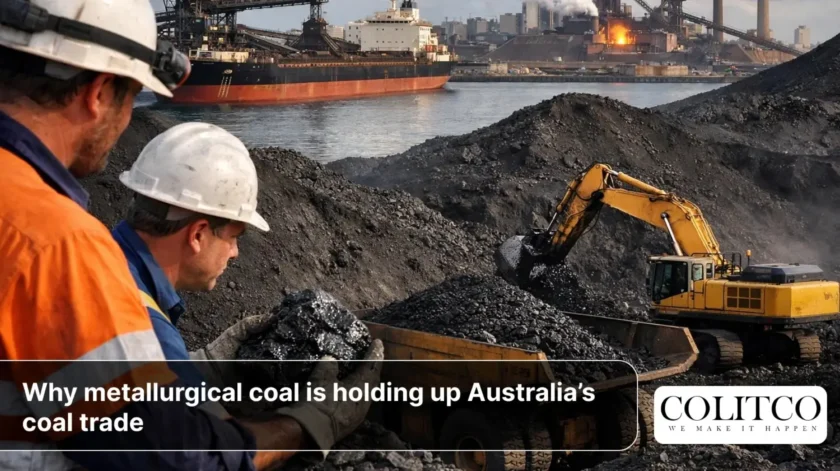
Australia’s coal sector is operating in a more difficult global market, yet it continues to hold its ground. The main reason is metallurgical coal, which remains in steady demand even as thermal coal loses favour. International forecasts show the met coal trade providing ongoing support to Australian exports.
Global coal trade begins to slow
After surging to record levels in 2024, the global coal trade is starting to cool. The International Energy Agency expects total coal imports to fall by around five per cent in 2025.
The slowdown is being driven by advanced economies. Countries such as Japan, South Korea, and members of the European Union are steadily reducing coal use as energy systems change.

Australia’s ports continue to ship high-quality metallurgical coal to steel producers across Asia
With fewer buyers active, exporters are facing tougher competition. Buyers are focusing more on price and reliability, leaving higher-cost producers under pressure.
Industry chatter on social platforms often points out that exporters with a mix of products are coping better. This reflects how uneven demand is shaping today’s coal trade.
Metallurgical coal proves more resilient
Metallurgical coal is telling a different story from thermal coal. Global demand is expected to remain broadly stable in 2025 at about 1.11 billion tonnes.
Steelmaking continues to depend on blast furnace production, which requires coking coal. New technologies are developing, but adoption remains slow and uneven.
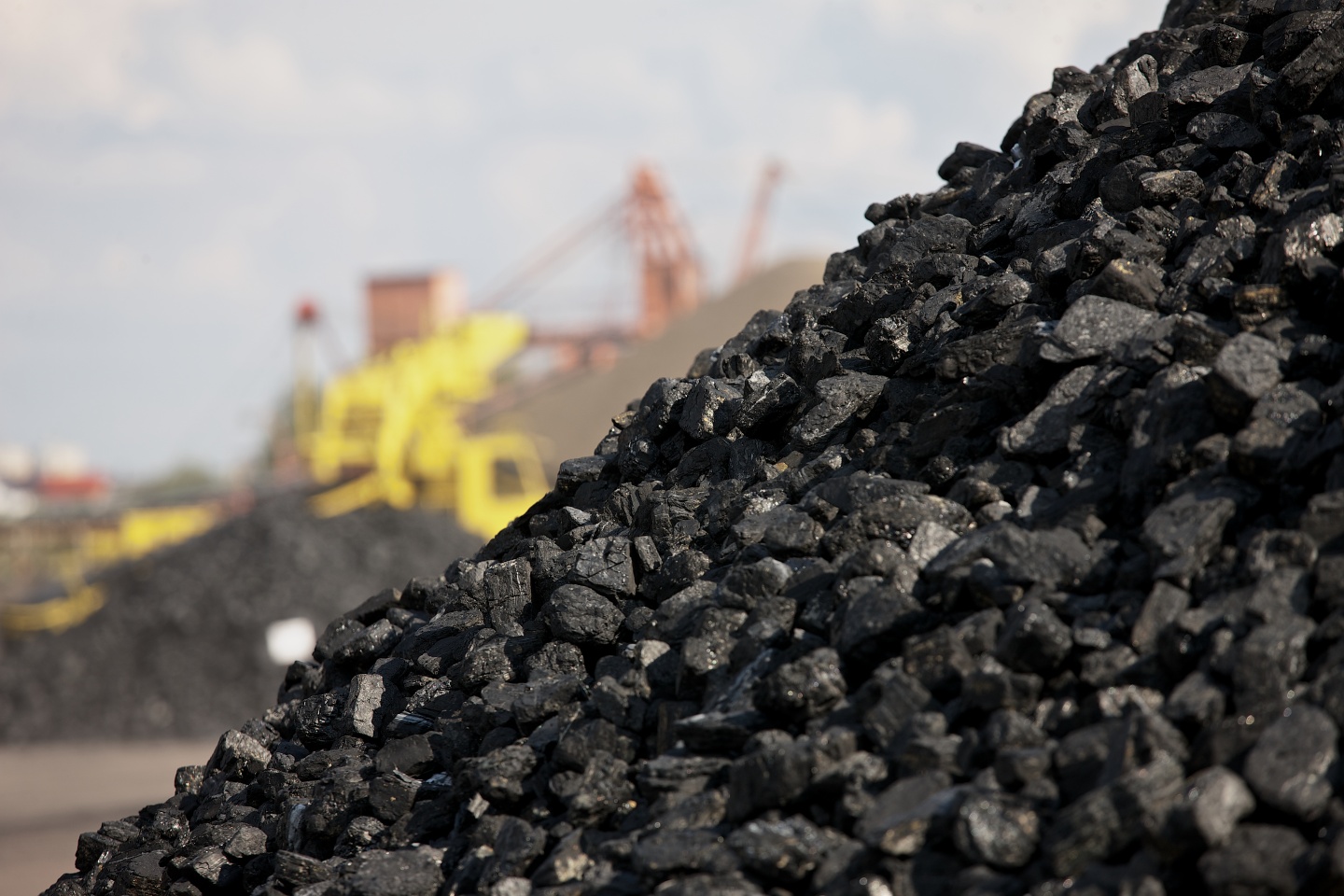
China still dominates met coal use, accounting for roughly two-thirds of global consumption. Demand is expected to ease gradually rather than fall sharply.
Market analysts frequently note online that steel demand has not collapsed. Their comments align with forecasts pointing to steady, managed change.
India steps into a larger role
India is emerging as the main source of growth for metallurgical coal demand. Steel production is expanding alongside large infrastructure programs.
Domestic met coal supply remains limited by quality constraints. As a result, India continues to rely heavily on imports to meet steelmaking needs.

India’s expanding steel industry drives growing imports of high-quality metallurgical coal
The IEA forecasts India’s met coal demand will increase by about 26 million tonnes by 2030. This growth helps balance declining demand elsewhere.
Online discussions among market observers regularly reference India’s long-term steel plans. These views mirror official projections rather than short-term speculation.
Australia’s export mix offers protection
Australia remains the world’s largest exporter of metallurgical coal, supplying major steel producers across Asia. This positioning provides some protection from falling thermal coal demand.
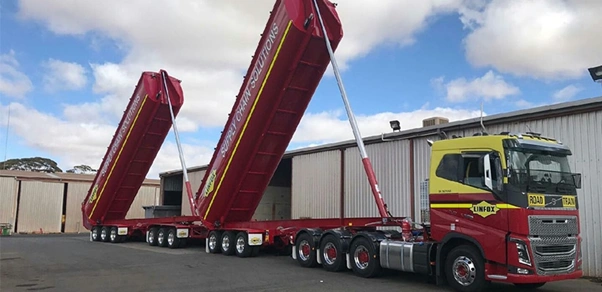
Thermal coal exports are facing increasing headwinds as traditional buyers scale back. By contrast, metallurgical coal continues to attract consistent interest.
The IEA identifies Australia as one of the key beneficiaries of stronger met coal trade conditions. Export volumes and pricing have been more stable than in thermal markets.
Industry posts on X often mention Australia’s reputation for high-quality coking coal. These comments reinforce long-established market strengths.
Demand softens slowly toward 2030
Global metallurgical coal demand is expected to ease gradually to around 1.06 billion tonnes by 2030. The shift reflects long-term changes in steel production.
Advanced economies are expected to reduce blast furnace operations over time. However, the transition remains slow due to cost pressures and limited scrap availability.
China’s met coal demand is forecast to fall by about 77 million tonnes by 2030. Growth in India and Indonesia helps offset this decline.
IEA projections show coke-based steelmaking remaining common through the decade. A rapid move away from metallurgical coal is not expected.
Also Read: Australia Braces for Extreme Heat, Fire Danger and Severe Storms as Weekend Weather Turns Volatile
Coal resilience is shaped by what Australia exports
Australia’s coal resilience is increasingly tied to product mix rather than total output. Metallurgical coal continues to provide a steady export base as thermal demand fades.
Global coal use is expected to level out through 2030. Power generation demand is easing, while industrial use remains more stable.
The IEA notes that metallurgical coal exporters face a firmer outlook than thermal suppliers. This divide is shaping trade flows and investment choices.
Ongoing industry discussion reflects this reality. Australia’s strong exposure to metallurgical coal fits well with current global demand patterns.
FAQs
- What is metallurgical coal?
Metallurgical coal, also known as coking coal, is used mainly in steelmaking. It is different from thermal coal, which is burned to generate electricity.
- How is metallurgical coal different from thermal coal?
Metallurgical coal is used in blast furnace steel production, while thermal coal is used for power generation. The two serve different markets and face different demand trends.
- Why does metallurgical coal remain in demand globally?
Steelmaking still relies heavily on blast furnace processes, which require coking coal. Alternative steel technologies are growing but remain limited in scale.
- Why is Australia a major exporter of metallurgical coal?
Australia has large, high-quality coking coal reserves and well-established export infrastructure. Its proximity to major Asian steel producers also supports trade flows.
- Which countries import the most metallurgical coal?
China is the largest consumer, followed by India, Japan, South Korea, and several European countries, depending on steel production levels.
- How is India affecting global metallurgical coal demand?
India’s expanding steel industry and infrastructure development are increasing demand for imported metallurgical coal due to the limited domestic supply quality.
- Is global metallurgical coal demand expected to decline?
Demand is forecast to ease gradually toward the end of the decade. However, a rapid drop is not expected due to continued reliance on traditional steelmaking methods.