
Australia ushered in summer with an unusual weather divide that caught most inhabitants by surprise. While the country was experiencing cold winds all over Melbourne, the opposite was the case for Perth, where intense heat was the order of the day. The situation was, in fact, an eccentric and strikingly unusual beginning of the season. Australia’s weather split has put the questions of climate change and the behaviour of seasons up for discussion.
Melbourne experienced an exceptionally cold day as temperatures plunged significantly below the early summer averages. Instead of t-shirts, people were wearing jackets and calling the day wintery. The winding of the cold wind across Victoria brought along heavy gusts and cloud cover. The cold weather even saw snow creeping down the alpine regions, thus creating a very extraordinary and surreal seasonal setting.
On the other hand, the 39°C heatwave in Perth was tantamount to a blazing summer commencement in WA. Not only did the hot air from the interior cause the city temperature to rise to 39°C, but some suburbs also experienced even higher readings as the heat built up during the afternoon. The heatwave put a strain on emergency services and increased worries about wildfires.
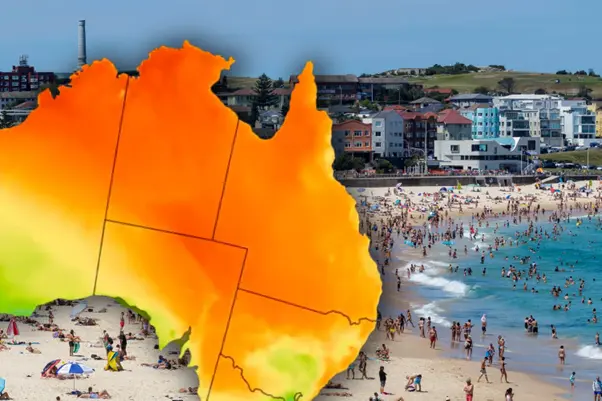
Australia’s summer begins with a striking weather divide.
What Caused The Australian Weather Split?
The strange divide was the result of strong weather systems moving in opposite directions. A cold front moved across the southeast region, carrying polar air into Victoria. Consequently, Melbourne received cold summer weather, and the temperatures were unusually low. The air mass brought cold winds, occasional light showers, and extremely cloudy weather.
At the same time, a very strong high-pressure system was over Western Australia. This system blew hot desert air toward the coast. The air was dry and stable, hence the heat was allowed to intensify over the day. Perth experienced one of the hottest starts to summer in several years, and the heatwave situation made life even more difficult for the residents.
Perth Heatwave 39°C Signals A Hot Start
Perth’s summer was marked by a significant rise in temperatures that far exceeded what was normally the case. To escape the heat, a large number of residents preferred to be indoors throughout the hottest part of the day. Health officials gave out warnings such as the risks of dehydration and the threat of heat stress. The fire hazard in the outer suburbs was amplified by the dry winds that the emergency teams were on standby to tackle.
The heatwave could dictate the course of the week if the conditions do not change. According to meteorologists, the pattern could recur because of the dominant high-pressure systems. The nights might also be warm, which would keep the homes uncomfortable and would negatively affect the sleep quality. Authorities urged the elderly to take extra precautions.
Perth’s summer heat soared, prompting warnings and precautions.
Melbourne Cold Weather Summer Brings A Wintry Feel
In contrast, Melbourne’s temperatures would hardly go up even though the season was supposed to be warm. The cold front not only came in quickly, but it also did not budge throughout the whole day. Reports came in of people experiencing the conditions of late winter with the icy winds and low visibility in some places. The mountainous areas even got a little snow as the cold air moved in over the high peaks.
The sudden drop in temperature took a lot of people by surprise after the mild conditions of spring lasting several weeks. Businesses had to turn on their heating systems even though summer had just begun. Some outdoor events had to change their plans as people tried to keep away from the cold in open spaces. The cold snap might not last long as the warmer air is expected to push back into Victoria later in the week.
How Long Will The Extreme Split Continue?
Forecasts indicate that the weather conditions across the country may soon become stable as the weather systems change. Perth is likely to experience cooler weather by a few degrees as the winds change their direction towards the end of the week.
Melbourne, on the other hand, might experience a gradual increase in temperature while the cold front moves away from the coast. Anyway, the early division of the Australian weather might indicate a season with more pronounced differences in temperatures and conditions.
The meteorologists have predicted that the southern states will be experiencing more fluctuating temperatures during the month. It is also possible that Western Australia might go through heat spikes repeatedly. The overall national pattern will be dictated by the oceanic influences and the large-scale pressure systems.
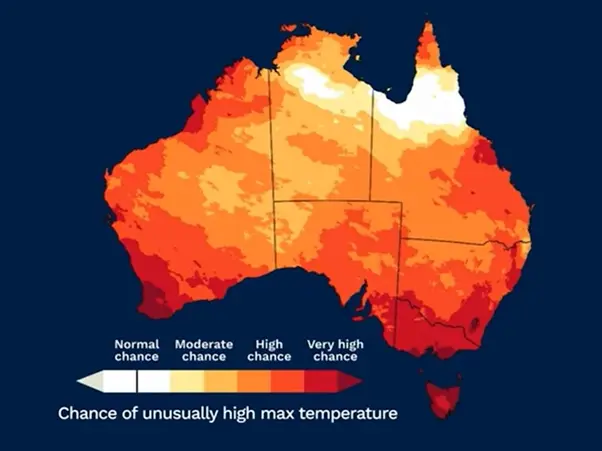
The weather may stabilise soon, but Australia faces temperature extremes.
What Should Residents Prepare For Next?
People living in all parts of Australia are advised to be on the lookout for the quick temperature changes. The people of Perth are to be told to keep cool and hydrated, and also to be alert for fire notifications.
People in Melbourne should get ready for the possibility of cold weather lingering and rain being unpredictable. The weird start of the summer season calls for the same level of awareness to be maintained throughout the season as it was in the beginning.
Also read: Weather Volatility Hits Eastern Australia This Week: Key Factors Explained
FAQs
Q1: Why did Melbourne feel so cold at the beginning of summer?
It was the polar front that was cold in nature and had covered most of Victoria that made Melbourne feel so cold.
Q2: Why did Perth experience 39°C on the same day?
Perth reached 39°C because a high-pressure system was drawing hot air from the interior towards the coast.
Q3: Will the temperature difference still be evident throughout Australia?
The difference might diminish soon, but it could come back later with the shifting of systems.
Q4: Is it a normal occurrence for such weather to split in early summer?
This phenomenon happens sometimes, but its intensity is still unusual.