
The Labubu craze fades at an alarming speed as Pop Mart International Group Ltd faces harsh investor scepticism. The Chinese pop toy Company went from an unchallenged collector’s item to industry cautionary tale in just months. Pop Mart stock plunges approximately 40% from its 26 August 2025 peak through mid-December, erasing tens of billions in market value.

Figure 1: Labubu designer toy figures displayed in protective cases
What started as Gen Z’s hottest trend now faces brutal economic reality and growing brand fatigue. The designer toy phenomenon exploded across social media in early 2025, becoming a cultural obsession rivalling past collectible crazes. Pop Mart’s Hong Kong-listed stock soared 209% year-to-date by mid-September before reality set in dramatically.
Shares Become Worst Performers on Hang Seng Index
Pop Mart stock plunges have made the Company one of the worst performers on Hong Kong’s Hang Seng China Enterprises Index. A two-day slump in early December 2025 wiped out nearly 14% of the stock’s value. Losses since August’s peak reached approximately USD 24 billion as investors fled the once-hot collectible toy maker.
The selloff reflects growing concerns that demand for Labubu may be peaking after explosive expansion. Bearish bets against the stock have surged dramatically, with short positions tripling since November 2025. Short interest reached its highest level since August 2023, according to S&P Global data. Investors who once celebrated triple-digit gains now face mounting losses.
Labubu Craze Fades as Fashion Fatigue Spreads Among Collectors
The Labubu craze fades as fashion fatigue replaces frenzy among the core collector fanbase. Market saturation destroyed the exclusivity that initially drove premium pricing and passionate collecting. Limited edition drops became less limited, and resale premiums evaporated as the psychological thrill of ownership disappeared.

Figure 2: A Pop Mart retail store
Secondary market pricing tells a devastating story of collapsing demand for the cute, wide-eyed dolls. While Labubu still dominates trading volumes on resale platforms such as StockX, prices have fallen sharply. The sherbet-coloured Big Into Energy series sells for approximately USD 110, down from nearly USD 400 at peak. This represents a price below its USD 168 retail price, signalling severe market weakness.
Resale Prices Fall Below Retail as Collectors Lose Interest
Collectors who paid a premium of USD 100 to USD 300 at resale watched their purchases plummet to retail levels or below. Rare editions still command some premiums, but even those prices have retreated significantly from earlier highs. Some items that once sold for double or triple retail prices now trade below list price.
Fashion fatigue proves particularly deadly for collectible markets relying on investment psychology. Labubu’s commercial appeal differs from conventional toys, relying heavily on perceived collectability rather than functional play value. Once that belief cracks, sales spiral downward rapidly. The incentive to buy more vanished overnight as Pop Mart shares fall 40% destroyed wealth.
JPMorgan Warned of Valuation Concerns in September 2025
JPMorgan Chase sounded the alarm by mid-September 2025 when Pop Mart stock still seemed unstoppable. The bank downgraded the Company to Neutral, trimming its December 2026 price target from HKD 400 to HKD 300. Analysts cited valuation concerns, noting the stock was “priced for perfection” and vulnerable to disappointment.
Many investors dismissed the downgrade at the time as overly cautious. Pop Mart had surged 209% year-to-date and was still posting explosive revenue growth. Three months later, JPMorgan’s warnings looked prescient as Pop Mart stock plunges vindicated the bank’s bearish thesis. The bank saw what others missed about unsustainable hype momentum.
Company First-Half Revenue Reaches CNY 13.9 Billion Despite Stock Decline
Pop Mart’s underlying business performance remains extraordinarily strong despite the stock market collapse. First-half 2025 revenue jumped to CNY 13.9 billion (USD 2 billion), more than five times the Company’s 2020 full-year sales. Overseas expansion drove this explosive growth as Labubu mania spread globally.
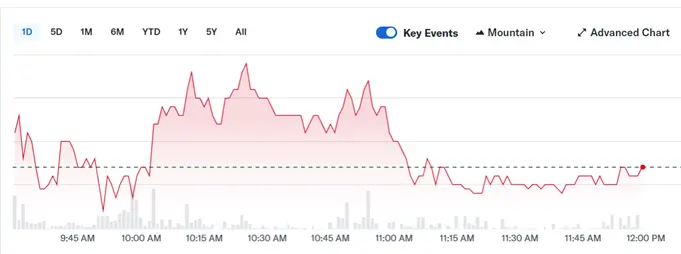
Figure 3: Pop Mart’s share price chart
Sales growth reached as high as 250% in the three months ended September 2025. The Company’s first-half revenue dwarfed the entire 2020 annual sales, demonstrating genuine business momentum. However, the stock market cares about expectations and trajectory rather than absolute performance. Four-hundred-per cent growth that falls to 424% represents a collapse in investor eyes.
Analysts Debate Long-Term Sustainability of Designer Toy Business Model
Market analysts remain divided on Pop Mart’s long-term prospects following the dramatic stock decline. Many sell-side analysts maintain constructive views, with average 12-month price targets implying significant upside from current levels. They argue the Company will stabilise at lower valuation multiples and continue healthy sales volumes.
However, some investors express deep caution about the business model’s sustainability. EFG Asset Management fund manager Daisy Li said confidence in Labubu remains limited, noting that discretionary consumer trends are notoriously difficult to forecast. The biggest question centres on whether the Company can deliver growth next year with such a high base.
Short Interest Triples as Bears Target Vulnerable Collectible Stock
Bearish positioning against Pop Mart has intensified dramatically as the Labubu craze fades accelerates. Short positions tripled since November 2025 to their highest level since August 2023, according to S&P Global data. Bears are convinced the worst is coming for the once-high-flying collectible toy maker.
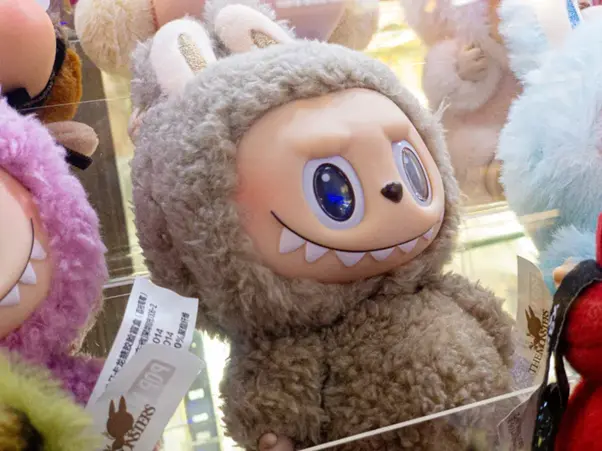
Figure 4: A close-up of a Labubu character
Richard Lin, chief consumer analyst at SPDB International Holdings, questioned the sustainability of growth rates. The central concern is whether growth can continue once year-on-year expansion inevitably slows after such an elevated base. This sentiment reflects broader market concerns driving the Pop Mart stock plunges phenomenon.
Conclusion
The Labubu craze fades phenomenon has delivered harsh lessons about collectible market psychology and momentum investing risks. Pop Mart stock plunges of 40% from August peaks demonstrates how quickly investor sentiment can reverse. The Company faces a critical test proving Labubu is more than a fleeting trend.
Despite strong underlying fundamentals, including CNY 13.9 billion first-half revenue, the Company must rebuild investor confidence. Pop Mart shares fall 40% created a valuation reset that may attract value investors if fundamentals stabilise. The market narrative shifted from “unstoppable phenomenon” to “fading fad” with brutal speed and unforgiving consequences.
FAQ
Q1. Why did the Labubu craze fade so quickly?
Ans. The Labubu craze fades due to market saturation destroying exclusivity. Fashion fatigue spread as resale prices collapsed below retail levels.
Q2. How much has Pop Mart stock declined?
Ans. Pop Mart stock plunges approximately 40% from 26 August 2025 peak through mid-December.
Q3. What triggered the December stock decline?
Ans. North America revenue growth slowed to 424% in the quarter through 06 December 2025.
Q4. Are Labubu resale prices still high?
Ans. No, the Big Into Energy series now sells for USD 110, down from USD 400 at peak. This sits below its USD 168 retail price.