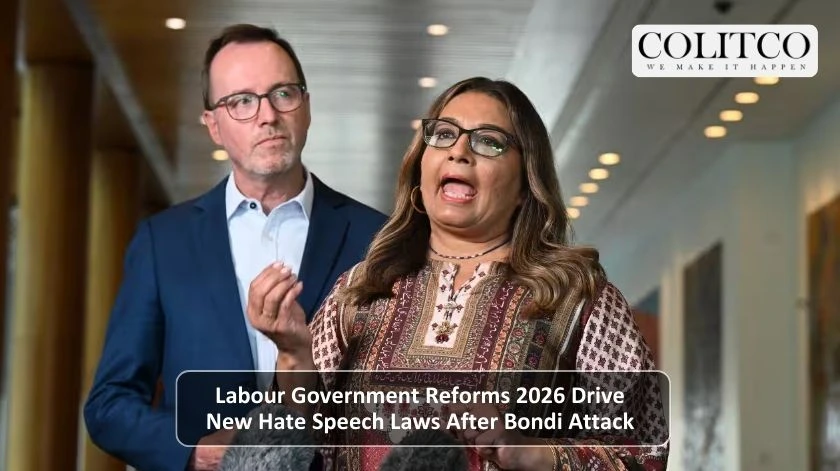
The Australian Labour government has proposed far-reaching reforms at the federal level after the Bondi terrorist attack in December 2025, which attacked a Jewish community festival. The incident resulted in the deaths of multiple individuals and the infliction of injuries on many others.
The legislation under consideration would make it a national crime to publicly promote or incite hatred based on race, colour, or ethnicity when a reasonable person might feel threatened or fear violence. This moves the line down from direct incitement to violence and makes it possible for the police to act all over the country.
Maximum sentences could be as long as five years in prison, with more severe sentences for crimes that have certain aggravating features, like attempts to radicalise minors,s being included. Proponents claim that the reforms enhance the protection of the community as a whole, while opponents caution that a more general use of terms could lead to restrictions on government speech in Australia.
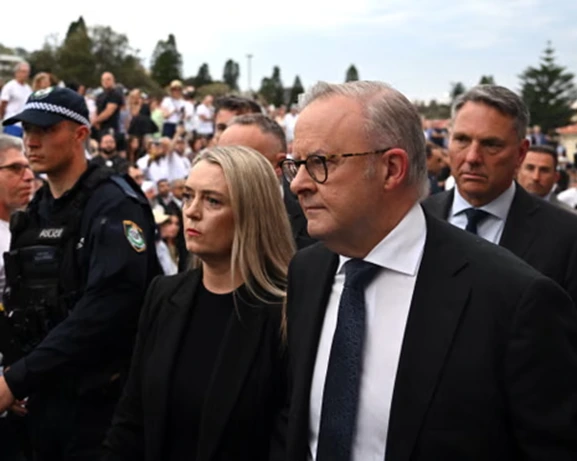
Labour expands federal hate speech powers after Bondi attack. [The Guardian]
What Is The Combatting Antisemitism, Hate And Extremism Bill 2026?
The Combatting Antisemitism, Hate and Extremism Bill 2026 is part of a larger package that includes gun reforms and the categorisation of extremist groups that will not be tolerated.
The bill refers to all forms of expression, including speech, gestures, symbols, and digital means, that are intended to promote hatred, even if there is no evidence of harm. The only exception is that religious texts can be quoted in the conduct of teaching or discussions, but critics contend that this exception may be violated.
Legal scholars are still trying to figure out how the bill would be implemented in court and whether the current protections are adequate to cover lawful expression.
Why Has Labour Government’s Reforms 2026 Been Accelerated?
Prime Minister Anthony Albanese and Home Affairs Minister Tony Burke both declared that the increased antisemitism and the violent and hateful language used by extremists needed urgent legislative action.
Independent legislators and Jewish community leaders have all been in favour of stricter laws, pointing out that some radical groups were not prosecuted in the past simply because the legal barriers were too high.
The government is convinced that, by taking action at an early stage, the risk of radicalisation will be reduced and the safety of the public will be enhanced. Nevertheless, the swift passage through Parliament has raised doubts about the consultation being done only at a minimal level and the lack of impact assessments being done.
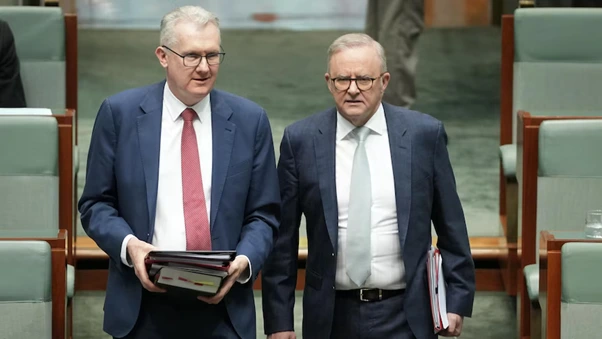
Anthony Albanese and Tony Burke urge urgent action. [ABC News]
What Are The Main Risks In labour Hate Speech Reform Australia?
Civil rights organisations and spiritual leaders have expressed alarm that the use of unclear terms may inadvertently include areas of legitimate debate, protest or religious discourse.
Some leaders from the Muslim community contend that they were not properly consulted and, therefore, are afraid of the unintended social consequences. Others point out that the bill is too fixated on race-based hate and that it has left out the protections of religion, gender identity, and sexual orientation.
Legal experts also caution that the religious exemption may lead to creating gaps in enforcement while also compromising uniformity in prosecution standards.
What Political Barriers Could Delay The Reforms?
Opposition Leader Sussan Ley has criticised the reforms for being unsatisfactory and has claimed that they do not sufficiently deal with the threat posed by extremists and, at the same time, they may limit free speech.
The Liberal Party has distanced itself from the potential of backing the bill. The Greens have stated that they would oppose the law if additional vulnerable groups are not included in the protections and stronger civil safeguards are not created.
Labour, without crossbench support, is going to have a hard time getting the bill passed before the end of the parliamentary session.
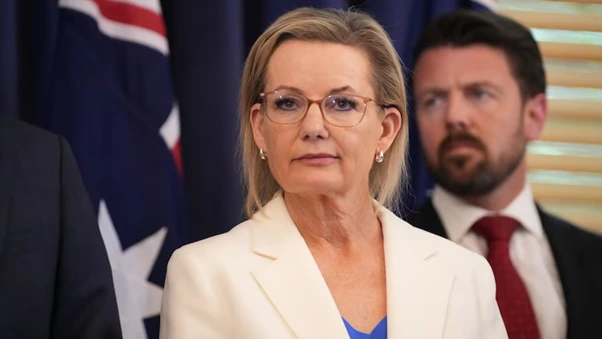
Sussan Ley warns reforms weaken security and free speech. [ABC News]
How Will The Legislation Shape Australian Government Speech Restrictions?
Parliament is scheduled to debate the bill during an expedited session, with committee recommendations expected to influence negotiations. If passed, enforcement agencies would gain broader authority to intervene earlier against hate promotion across digital and public platforms.
Legal observers stress the need for balanced application to avoid chilling legitimate speech while maintaining firm action against extremist conduct. International observers continue monitoring how Australia balances democratic freedoms with emerging security risks.
Also Read: Labour Party Stalwart Dies, Ending an Era Defined by Nick Bolkus’s Leadership and Reform
FAQs
Q1: What change does the new hate speech law introduce?
A1: The bill criminalises promoting racial hatred when intimidation or fear could reasonably occur, expanding beyond direct incitement to violence.
Q2: Why did the government act so quickly?
A2: Officials believe rising extremist rhetoric and the Bondi attack highlighted urgent gaps in existing protections.
Q3: Which groups oppose the legislation?
A3: The Liberal Party and Greens oppose the bill in its current form, citing civil liberty and coverage concerns.
Q4: When will Parliament vote on the reforms?
A4: Parliamentary debate is expected during the next sitting session