Both the S&P 500 ETF (SPY) and the Nasdaq 100 ETF (QQQ) closed in positive territory on 10 Mar 2026, despite a session dominated by surging oil prices and inflation concerns. SPY finished up 0.88%, and QQQ gained 1.34%, shaking off what had been a challenging start to the trading day.

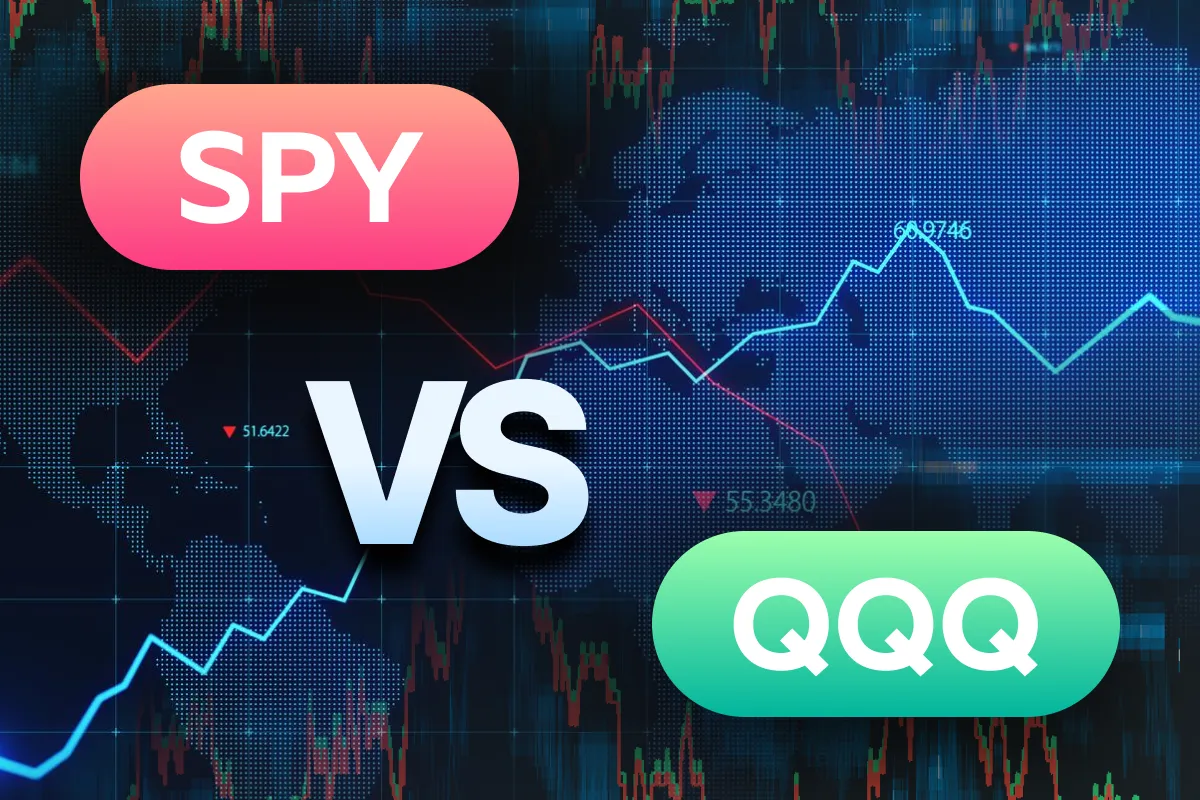
Figure 1: SPY vs QQQ visual comparison highlighting performance trends between the S&P 500 and Nasdaq 100 ETFs [Courtesy: Bookmap]
For SPY, the recovery was particularly notable. It marked the first time the S&P 500 index had bounced back from a 1.5% intraday loss since Apr 2025. The session offered investors a real-time SPY and QQQ investment guide on navigating volatile, inflation-driven markets.
Oil Prices and Geopolitical Pressure Behind the Volatility
Crude Surges Past US$100 Per Barrel
The session was dominated by a sharp rise in crude oil futures (CL), which surged past US$100 per barrel for the first time since Jul 2022. The spike was driven by a near-closure of the Strait of Hormuz and production curbs from several Middle Eastern countries.
Prices pulled back below US$100 following reports that the G7 was considering releasing between 300 and 400 million barrels of oil from strategic reserves. However, the G7 held back on the measure following a virtual meeting between finance ministers. An Iranian military spokesperson warned that oil could rise above US$200 if the United States and Israel continue to attack key energy infrastructure sites.

Figure 2: Crude oil price volatility and geopolitical pressure influencing global energy markets [Courtesy: Freepik]
Policy Responses Under Consideration
President Trump is considering a range of options to lower oil prices. According to Reuters, those options include restricting United States exports, easing Russian sanctions, influencing futures markets, and waiving certain federal taxes. The inflation impact on SPY and QQQ will depend significantly on which of these measures, if any, are enacted and how quickly.
Technology Strength and Financial Sector Weakness as Inflation Plays Out
Technology Led the Recovery
Information technology was the best-performing sector, driven by strength in semiconductor and memory stocks. Surging memory prices boosted names such as Micron (MU, +5.14%) and SanDisk (SNDK, +11.64%), while demand for artificial intelligence infrastructure fuelled broad gains across the semiconductor space.
For investors working through a SPY and QQQ investment guide, the technology weighting in both ETFs is a key factor. QQQ carries a significantly higher technology concentration than SPY, which helps explain its stronger single-day gain of 1.34% versus SPY’s 0.88%.

Figure 3: Inflation concept illustration showing rising prices and economic pressure on financial markets [Courtesy: Freepik]
Financials Bore the Brunt of Inflation Fears
Financials were the worst-performing sector as inflation fears reduced the probability of rate cuts in 2026. The following financial stocks traded lower on the session:
- Arthur J. Gallagher and Company (AJG, -4.54%)
- Brown and Brown (BRO, -3.35%)
- Willis Towers Watson (WTW, -2.73%)
- W.R. Berkley (WRB, -2.40%)
Higher inflation can lead to elevated interest rates, which slow borrowing, reduce credit demand, and weigh on economic activity. Investors are also pricing in the risk of stagflation, characterised by high inflation, high unemployment, and stagnant economic growth. Stagflation directly impacts financial stocks by lowering loan demand and raising default risks.
SPY and QQQ as a Practical Inflation Investment Guide
Sector Composition Shapes the Inflation Impact on Both ETFs
The session is a practical case study on how to invest in ETFs during inflation. Both ETFs absorbed significant intraday selling pressure before recovering, demonstrating the resilience that broad index exposure can offer relative to individual stock holdings during volatile macro conditions.
The inflation impact on SPY and QQQ plays out differently across the two products. SPY tracks the broader S&P 500 and carries more exposure to financials and energy, sectors that respond differently to inflation. QQQ tracks the Nasdaq 100 and is more heavily weighted toward technology and growth stocks, which can recover faster when inflation fears are offset by sector-specific tailwinds such as artificial intelligence demand.
Diversification and Patience Remain Central to the Strategy
Understanding how to invest in ETFs during inflation requires looking beyond single sessions. Elevated oil prices, geopolitical disruption, and stagflation risk are conditions that can persist for extended periods. In such environments, the technology-heavy composition of QQQ can offer a degree of insulation, provided that earnings growth in the sector remains intact.

Figure 4: Exchange-traded fund (ETF) concept representing diversified investment strategies in stock markets [Courtesy: Freepik]
For a balanced approach, the SPY and QQQ investment guide that this session offers is one of diversification and patience. The recovery from a 1.5% intraday drawdown signals that institutional buyers are still willing to defend key levels, even when macro headlines are unfavourable.
Industry Outlook
Global oil markets remain a central variable for inflation and equity performance in 2026. With crude having briefly touched US$100 per barrel and geopolitical tensions still elevated, the inflation impact on SPY and QQQ is unlikely to fade quickly. Analysts and policymakers are actively debating strategic reserve releases, sanctions relief, and export restrictions as tools to manage prices.
The broader ETF market continues to attract investor interest as a way to manage single-stock risk during uncertain macro periods. Understanding how to invest in ETFs during inflation remains one of the most searched investment themes of 2026, and recent sessions reinforce why disciplined, diversified exposure through products like SPY and QQQ remains a relevant strategy.
Future Direction and Impact on SPY and QQQ
The key variables to watch in coming sessions are the trajectory of oil prices, any formal announcement from the G7 on strategic reserve releases, and the United States Federal Reserve’s response to rising inflation expectations. Each of these will shape the inflation impact on SPY and QQQ in the weeks ahead.
For investors following a SPY and QQQ investment guide into the rest of 2026, recent market action is a reminder that intraday volatility does not always translate into closing losses. How to invest in ETFs during inflation is ultimately a question of conviction, time horizon, and sector awareness rather than timing individual sessions perfectly.
ALSO READ: St George Mining Enters ASX All Ordinaries Index on the Back of Major Resource Upgrade at Araxá
Frequently Asked Questions
Q1. What happened to SPY and QQQ recently?
Ans. Both ETFs reversed intraday losses to close higher. SPY gained 0.88%, and QQQ rose 1.34%, despite crude oil surging past US$100 per barrel and elevated inflation concerns during the session.
Q2. How does inflation affect SPY and QQQ differently?
Ans. SPY tracks the broader S&P 500 with higher exposure to financials and energy, both of which are sensitive to inflation. QQQ is more concentrated in technology and growth stocks, which can recover faster when sector-specific tailwinds, such as artificial intelligence demand, are present.
Q3. What is the best way to invest in ETFs during inflation?
Ans. Diversification and a longer time horizon are central to how to invest in ETFs during inflation. Broad index ETFs like SPY and QQQ absorb sector-level volatility more effectively than individual stocks, making them relevant tools in inflationary environments.
Q4. Why did financial stocks fall while technology stocks rose?
Ans. Inflation fears reduced expectations for rate cuts in 2026, which weighed on financial stocks by lowering loan demand and raising default risks. Technology stocks benefited from sector-specific drivers including surging memory prices and continued artificial intelligence infrastructure demand.
Q5. What is stagflation, and why does it matter for ETF investors?
Ans. Stagflation is characterised by high inflation, high unemployment, and stagnant economic growth. It weighs on financial stocks and can suppress broader market returns. For ETF investors, understanding the inflation impact on SPY and QQQ during stagflation conditions helps in making more informed allocation decisions.
Disclaimer
This article is intended for informational purposes only and does not constitute financial or investment advice. All content is based on publicly available information and verified market reports. Investing in securities involves risk, including the possible loss of principal. Readers should conduct their own research and seek independent financial advice before making any investment decisions. Colitco does not hold any position in the securities mentioned.
Sources
TipRanks, Eddie Pan, 10 Mar 2026 Stock Market Today Review: SPY, QQQ Shake Off Surging Oil Prices and Inflation Concerns https://www.tipranks.com/news/stock-market-today-review-spy-qqq-shake-off-surging-oil-prices-and-inflation-concerns
Bookmap
https://blog.bookmap.com/wp-content/uploads/2024/12/1_res-4.webp