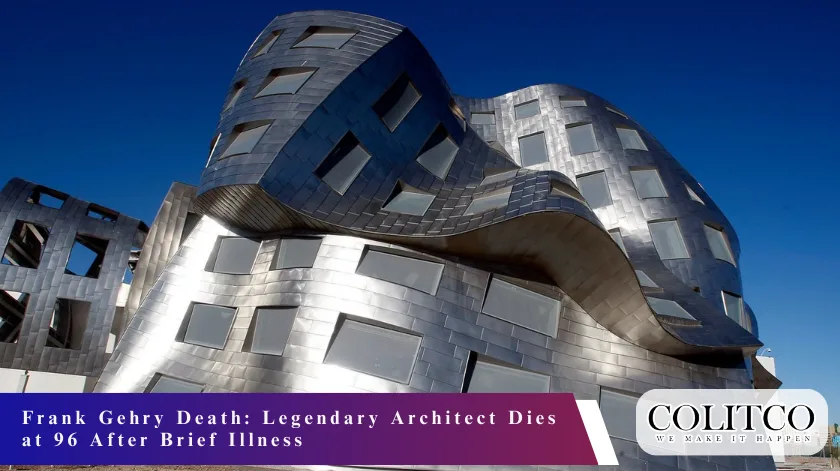
Frank Gehry, one of the most influential architects of the last century, has died aged 96. Frank Gehry death occurred on 5 December 2025 at his Los Angeles home following a brief respiratory illness. His chief of staff, Meaghan Lloyd, confirmed the legendary architect dies death to media outlets worldwide.
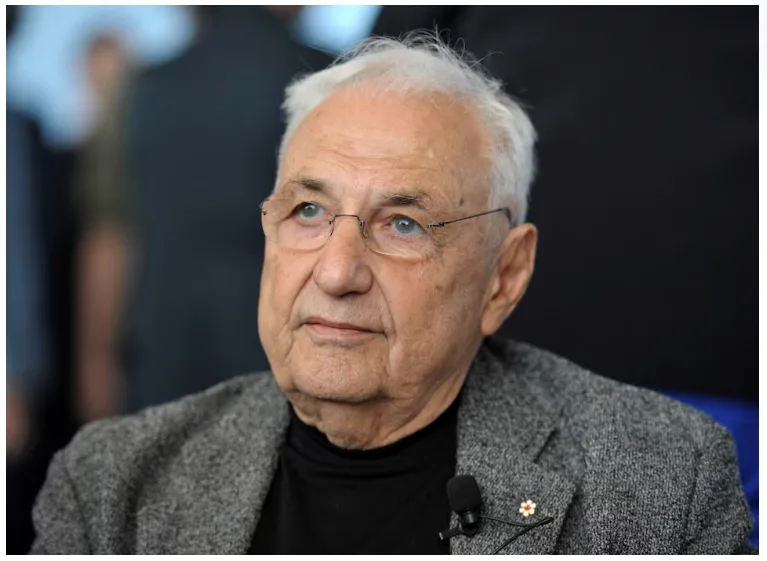
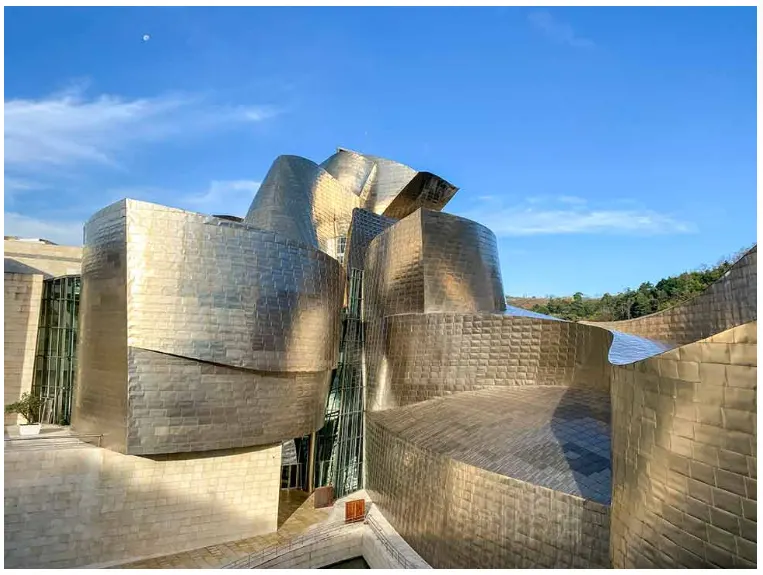
Gehry revolutionised modern architecture with his avant-garde, experimental style that challenged traditional design principles. His titanium-covered Guggenheim Museum in Bilbao, Spain, catapulted him to international fame in 1997. The legendary architect dies, leaving behind an unparalleled legacy of iconic structures spanning five continents.
Early Life and Career of the Legendary Architect Dies
Born Frank Owen Goldberg on 28 February 1929 in Toronto, Canada, Gehry came from a working-class Jewish family. He moved to Los Angeles in the mid-1940s as a teenager to pursue education. Gehry initially studied ceramics at the University of Southern California after a brief US Army stint.
A teacher introduced him to Raphael Soriano’s work, a pre-eminent postwar modernist designer in Southern California. This encounter prompted Gehry to switch his focus to architecture permanently. He changed his surname from Goldberg to Gehry as a young graduate, later attributing the decision to avoiding antisemitism.
Frank Gehry Death Follows Pritzker Prize Win and International Acclaim
Gehry received the Pritzker Architecture Prize in 1989 at age 60 for lifetime achievement. The prestigious award represents the industry’s top accolade for architectural excellence and innovation. The Pritzker jury praised his highly refined, sophisticated and adventurous aesthetic throughout his career.
The panel compared his designs to American jazz music, replete with improvisation and lively, unpredictable spirit. Gehry pioneered a style now known as deconstructivism, breaking from traditional architectural principles of symmetry. He used unconventional geometric shapes and unfinished materials to create arresting sculptural building forms.
Guggenheim Bilbao: The Masterpiece That Transformed Modern Architecture
Gehry’s international breakthrough with the Guggenheim Museum transformed Bilbao completely, boosting tourism and the local economy dramatically. Crafted from titanium sheets, limestone, and glass, the 1997 museum became instantly celebrated as a modern marvel. Architect Philip Johnson described the structure as “the greatest building of our time” upon completion.
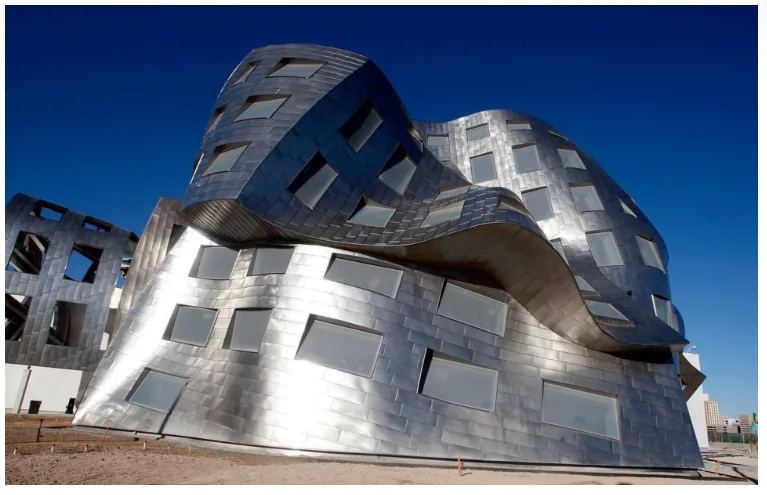
The project created the “Bilbao effect” phenomenon, where cities invested in daring art to revitalise ailing economies. Other municipalities worldwide attempted to replicate its success with spectacular architectural investments. The cultural impact extended beyond architecture, featuring in a 2005 Simpsons episode where Gehry voiced himself.
Frank Gehry Obituary: Iconic Works Across Global Cities
The Frank Gehry obituary includes numerous iconic structures in cities worldwide following his Bilbao success. The Jay Pritzker Pavilion in Chicago’s Millennium Park showcases his distinctive curving metallic design aesthetic. The Gehry Tower in Germany and the Louis Vuitton Foundation in Paris represent European architectural triumphs.
Bernard Arnault, CEO of LVMH, stated Gehry “bestowed upon Paris and upon France his greatest masterpiece”. The Walt Disney Concert Hall in Los Angeles, completed in 2003, features layered metal resembling billowing sails. Critics initially described it as a “pile of broken crockery” and “fortune cookie gone berserk” design.
Revolutionary Design Philosophy and Computer-Aided Innovation
Gehry became one of the first architects to embrace computer design’s potential for complex structures. He used 3D modelling similar to aerospace engineers to shape windy, curved buildings throughout his career. This practice was largely avoided by other architects because of construction complexity and cost challenges.
His largely unpredictable style meant no two works looked the same across his portfolio. Prague’s Dancing House appears like a glass building folding in on itself upon completion. His Hotel Marques in Spain features thin sheets of wavy, multicoloured metal cascading down facades.
Critical Reception and Defiant Creative Spirit
Gehry shrugged off the Walt Disney Concert Hall critics in a 2007 New Yorker interview. “At least they’re looking!” he quipped when asked about negative reviews of the design. His 76-storey residential tower at 8 Spruce Street in Lower Manhattan appears to ripple with glass and steel.
The 2011 completed building demonstrated his continued innovation well into his eighties and nineties. A 2005 Simpsons episode later “haunted” Gehry when people believed his designs were inspired by crumpled paper. He told the Observer in 2011 that complex computations, not scrunched letters, inspired his work.
Frank Gehry Death Mourned by Global Architecture Community
Tributes are celebrating his eagerness to discard convention and forge his own creative legacy worldwide. Paul Goldberger, author of Building Art: The Life and Work of Frank Gehry, knew him closely. Goldberger stated Gehry wanted to work “until the day he died” pursuing architectural innovation relentlessly.
“He was one of the very few architects of our time to engage people emotionally,” Goldberger told BBC Radio. Canadian Prime Minister Mark Carney extended his “deepest condolences” to Gehry’s family and admirers. “His unmistakable vision lives on in iconic buildings around the world,” Carney added in his statement.
Surviving Family and Personal Life Legacy
Gehry is survived by his second wife Berta Isabel Aguilera and their two sons. Alejandro works as an artist whilst Sam pursues architectural design, following his father’s footsteps. He also leaves behind two daughters from his first marriage to Anita Snyder, Leslie and Brina.
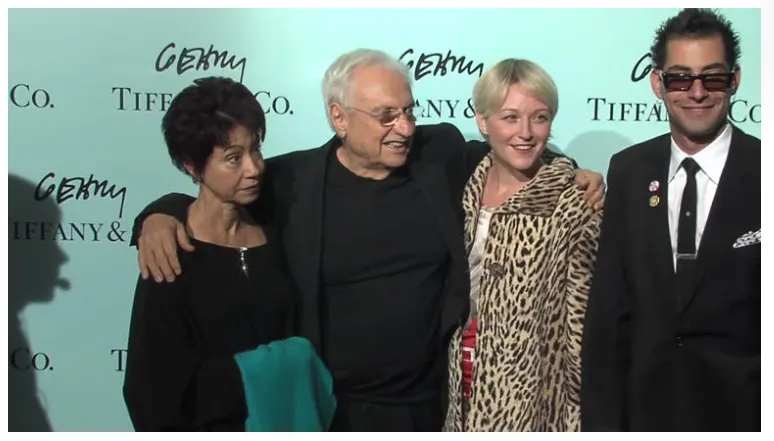
Figure 5: Frank Gehry pictured with family members and guests at a public event
His daughter Leslie Gehry Brenner died in 2008, predeceasing her father by 17 years. Gehry maintained starry circles befitting a celebrity of American architecture throughout his career. His office displayed photos with Herbie Hancock, Shimon Peres, Princess Diana, Jasper Johns, and Catherine Zeta-Jones.
Final Years: Working Until the End
“I love working,” Gehry told the Guardian shortly after his 90th birthday in 2019. “I love working things out. I love the client interaction – I think it’s a 50-50 game,” he explained. He remained based in Los Angeles and continued working into his final years on various projects.
Gehry brought projects in under budget, which no one believed, but he remained true throughout his career. He remained the most recognisable American architect since Frank Lloyd Wright across decades. The legendary architect dies, having transformed how cities worldwide approach cultural buildings and urban revitalisation efforts.
FAQs
Q1: What caused Frank Gehry’s death?
Frank Gehry died following a brief respiratory illness at his Los Angeles home. He was 96 years old at the time of his passing.
Q2: What is Frank Gehry’s most famous building?
The Guggenheim Museum in Bilbao, Spain, completed in 1997, remains Gehry’s most famous and influential work. The titanium-clad structure transformed modern architecture globally.
Q3: When did Frank Gehry win the Pritzker Prize?
Gehry received the prestigious Pritzker Architecture Prize in 1989 at age 60. The award recognised his lifetime achievement and innovative architectural contributions.
Q4: Who survives Frank Gehry?
Gehry is survived by his wife Berta Isabel Aguilera, two sons, Alejandro and Samuel, and daughters Leslie and Brina. His daughter Leslie Gehry Brenner died in 2008.