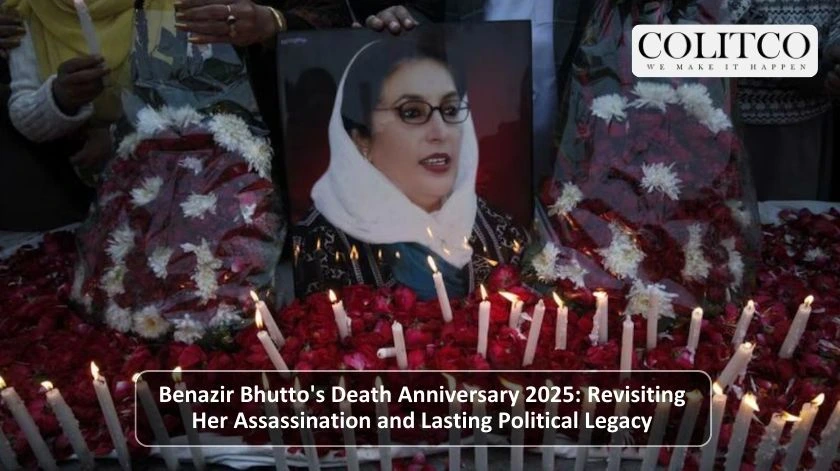
The passing of Benazir Bhutto marked one of the significant political events in South Asia. Even after eighteen years, the tragedy, including the state of affairs it caused, is effective in various areas such as the law, politics and even the social psyche.
On December 27, 2007, Benazir Bhutto, the then 54-year-old former Prime Minister and leader of the Pakistan Peoples Party, was assassinated at a rally in Rawalpindi, thus setting off widespread protests and political turmoil in the country that changed the course of democracy in Pakistan.
In the end, the influence is still present in various forms, such as the democratic institutions, elections and in the collective memory of society.
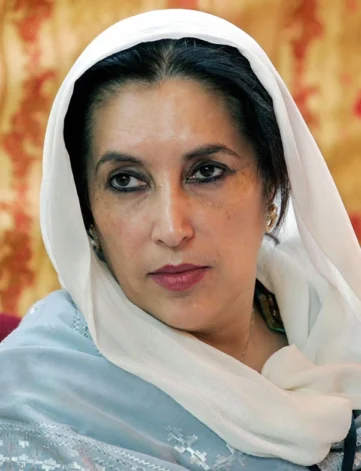
Benazir Bhutto’s death still impacts politics, law, and society.
Who Was Benazir Bhutto Before Her Assassination?
She was a female prime minister in Pakistan and a Muslim leader who represented a female voice at the highest political level in the world. Her first and second non-consecutive reigns as prime minister extended from 1988 to 1990 and from 1993 to 1996.
After years of self-imposed exile, she returned to Pakistan in 2007. Her return was made possible through a political deal that allowed her to participate in the elections. Her followers regarded her defeat as the reestablishment of democracy in the military-influenced government.
The huge crowds of people at her rallies were mainly due to the worldwide reception and the reformist image of the leader.
How Did The Benazir Bhutto Assassination Unfold?
Benazir Bhutto was shot and killed right after she spoke to her supporters in Rawalpindi. She died instantly in a terrorist attack as she was leaving the rally site. However, later on, the authorities declared that she had succumbed to the wounds she had received from the attack.
The occurrence triggered immediate commotion all over Pakistan. Non-violent demonstrations took place in different cities. Political observers and foreign leaders did agree that the security lapses were one of the major causes of the incident and criticised the authorities for it.
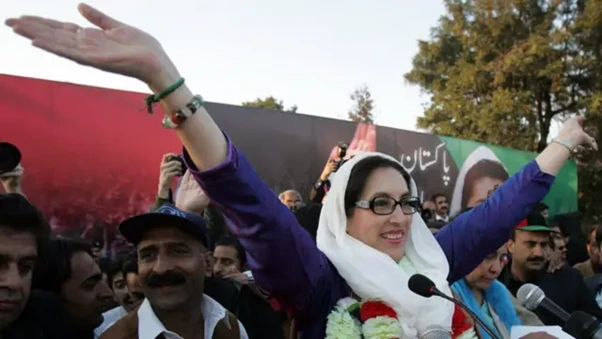
Benazir Bhutto was killed immediately after addressing her supporters.
Why Does The Benazir Bhutto Death Remain Unresolved?
Investigations into the death of Benazir Bhutto were delayed, reversed, and subjected to political pressure. Systemic security failures were the main reason given by several official inquiries. No person has yet been found guilty beyond a doubt.
A United Nations report has pointed out the shortcomings of the state institutions. Lack of accountability is continuing to be one of the reasons for public distrust. Full transparency over the assassination is still being demanded by many Pakistanis.
The Benazir Bhutto Assassination Anniversary And National Memory
The anniversary of the Benazir Bhutto assassination is a time for the whole country. Political parties are holding rituals and making public statements. The Bhutto-led Pakistan Peoples Party is still using her memory as a campaign tool.
Heritage institutions and media focus on her contributions to democracy. The observance also reminds us of the continuing dangers facing political leaders in the area.
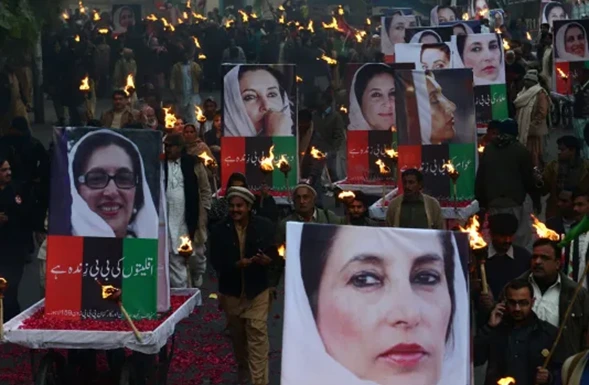
The Benazir Bhutto assassination anniversary unites the nation in remembrance.
Political Consequences Following Benazir Bhutto’s Death
The death of Benazir Bhutto had a direct impact on Pakistan’s general elections of 2008. The sympathy for her party led to the electoral benefits. A civilian government took over the rule; it was non-military leadership.
Asif Ali Zardari, her husband, was later on, was the one to get the title of president. The transition signified a move towards a parliamentary system. However, political instability lingered in the years that followed.
Benazir Bhutto’s Enduring Global Legacy
On the international stage, Bhutto is still a figure of democratic resistance and women’s leadership. The world leaders were quick to denounce the murder in the year 2007. The professor’s and students’ talks take into consideration her writings and speeches.
The death of Benazir Bhutto has not only influenced the land of Pakistan but also its neighbouring countries. Her story is one of the many that temper with the demand for democracy in unstable political situations.
Also Read: Steam Down Today: How To Fix Steam Connection Issues And Understand The Outage
FAQs
Q1: Why is Benazir Bhutto’s death significant today?
A1: It reshaped Pakistan’s political system and highlighted risks to democratic leadership.
Q2: When did the Benazir Bhutto assassination occur?
A2: The assassination occurred on December 27, 2007, in Rawalpindi.
Q3: Has anyone been convicted of the Benazir Bhutto assassination?
A3: No definitive conviction has resolved responsibility for the attack.
Q4: Why is the Benazir Bhutto assassination anniversary observed annually?
A4: It honours her legacy and renews calls for justice and accountability.