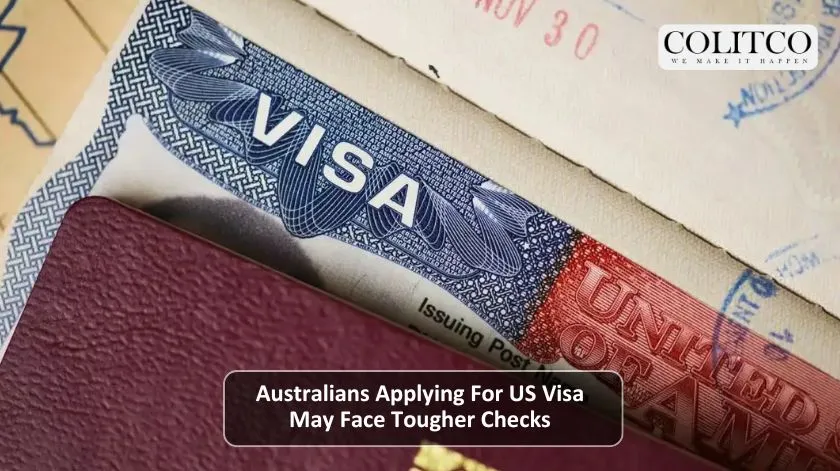
Australians applying for US visa exemptions through the ESTA scheme may soon face strict new screening rules under a proposal released by the Trump administration.
The plan calls for vacationers from Australia and 41 other countries, who are up to now eligible, to present five years of social media activity and even ten years of email records to get into the US.
With the introduction of these drastic measures, the US is reversing the practice of voluntary disclosure first adopted, and at the same time presenting a new set of concerns to those who rely on swift ESTA approvals, which are now taking longer than ever.

Australians face stricter US ESTA screening under the Trump plan.
Why Are US Visa Social Media Checks Becoming Mandatory?
According to the United States, the transition to mandatory digital screening is the result of an overall shift towards national security. President Trump claimed that the policy is already “closing down” threats at the border and only “safe” people are getting through.
He added that the US “wants safety” and “wants security”, thus reiterating his government’s commitment to more stringent border control. US Customs and Border Protection has posted a public comment period of 60 days. This confirms that the applicants will need to name every social media account that they have had in the last five years.
They will also need to provide the phone numbers that have been used by them and their family members in the same time frame. The new conditions go even further by demanding all email addresses active in the last ten years.
How Trump’s Visa Plan Affects Australians Travelling Soon
The new requirements could mean that Australians applying for US visa waivers might have to go through more steps and wait longer for processing. The majority of Australian travellers come with an ESTA, a permit that is widely known for its fast and inexpensive approval process.
The new social media requirements are going to slow down the process and put a burden on the applicants to make sure their online presence is accurate. A change in the system is also part of the proposal. The ESTA website will no longer be in operation, and a mobile-only application platform will take its place instead.
According to U.S. officials, one of the reasons for the switch is that poor image quality on the website led to problems with facial comparison, thus mobile submissions became the preferred method.
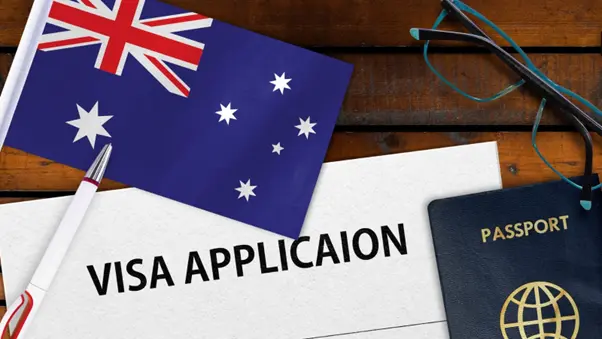
Australians may face longer, stricter ESTA processing under new rules.
Government Voices React To The Planned Overhaul
The U.S. is a sovereign state and can decide who to admit and under what conditions. It is up to the security and privacy policies of each country to determine its level of cooperation.
James Paterson has also reiterated that some of the information being asked for is not new and has been collected as part of the standard data for many visa systems. His remarks are indicative of a consensus among the political factions over the direction of the policy, even as the privacy advocates and frequent travellers’ concerns are escalating.
New Rules Add Pressure On Digital Transparency
The United States has definitely taken a very different approach when it comes to foreign entry. Digital footprints are now considered a major part of the security process. The demand for greater transparency and openness has also evidenced the global trend towards more complicated border controls and data-based vetting.
Besides, the changes may be indicative of a global shift towards the inclusion of digital identity verification in immigration policies. These changes could also lead Australia to rethink its own border processes in the future.

Digital footprints now drive stricter, data-heavy US border screening.
Privacy Questions Shape The Policy Debate
Privacy professionals express their concerns that the compulsory unveiling of social media backgrounds could impede the exercise of free speech rights.
On the other hand, some observers point out that digital profiles of the passengers are now a must-review before applying. These problems are likely to be the major source of public input during the comment period of 60 days.
The modifications, while primarily directed to the US security reinforcement, also proportionally result in the requirement of privacy and border control balance issues being examined more deeply.
Also Read: Temporary Visa Population Reaches 2.9 Million as Australia Confronts Migration Challenges
FAQs
- Do Australians still qualify for easy ESTA entry?
Yes, but the process may take longer under the new requirements.
- Will the ESTA website be shut down?
Yes, applications will be exclusively done through a mobile app.
- Why has the United States been collecting social media data for five years?
The US government points to national security and more effective threat detection as the reason.
- Will this affect Australians who are travelling soon?
Yes, anyone who applies after the rule change will have to comply with the new data requirements.