
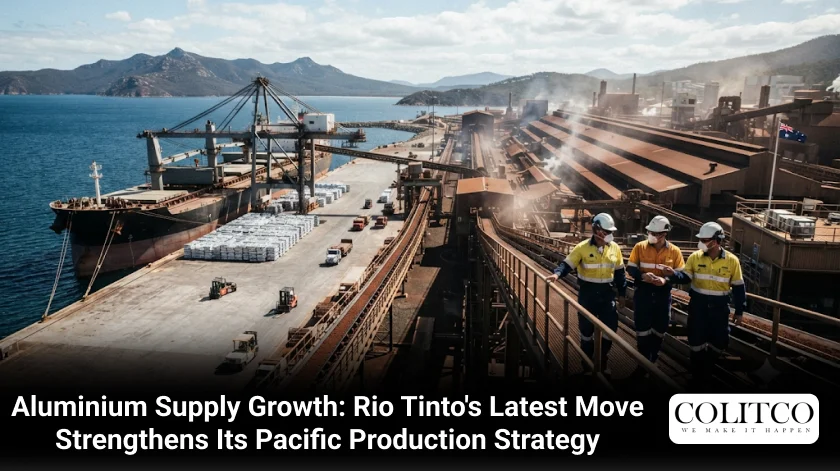
Rio Tinto (ASX: RIO) has signed a 50MW power deal with Contact Energy (ASX: CEN) to restart Line 4. The line sits at the Tiwai Point aluminium smelter in Southland, New Zealand. It has been idle since Apr 2020. The deal was announced on 17 Nov 2026.
Bringing Line 4 back gives Rio Tinto aluminium production a Pacific boost of roughly 30,000 tonnes each year. That matters for New Zealand aluminium production, because it restores the smelter to about 360,000 tonnes per annum. The release says the restart could generate around NZ$100 million in extra annual export revenue for New Zealand.
Tiwai Point Aluminium Smelter Secures Power for Line 4
Contact Energy will supply power for Line 4 under a bridging contract that runs for three and a half years. The electricity is predominantly renewable. Operational preparations and commissioning will come before the restart.
Rio Tinto expects the restart to begin in Oct 2027, with full production by Dec 2027. The contract reduces supply to 25MW over winter months, so New Zealand’s broader energy security is not affected.
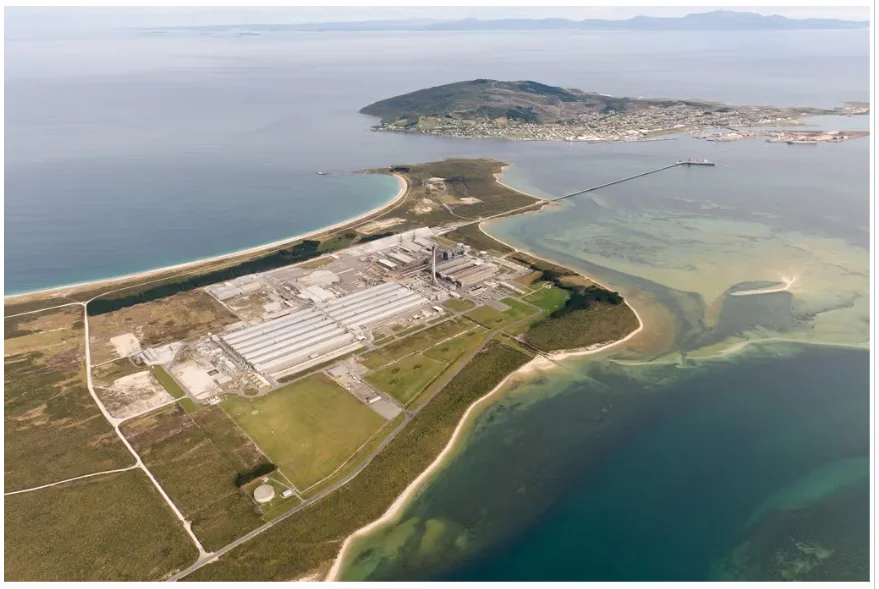
Figure 1: Aerial view of the Tiwai Point smelter site in Southland [Courtesy: Rio Tinto]
Line 4 Restart at a Glance
| Measure | Detail |
|---|---|
| Power agreement | 50MW for three-and-a-half-year |
| Output restored | About 30,000 tonnes per year |
| Smelter capacity | About 360,000 tonnes per annum |
| Added smelting capacity (Australia and New Zealand) | About three per cent |
| Extra export revenue | Around NZ$100 million a year, at current global spot aluminium prices |
Power Supply Terms
| Period | Supply | Purpose |
|---|---|---|
| First and fourth quarters | 50MW | Line 4 operation |
| Second and third quarters | 25MW | National energy security at peak periods |
Rio Tinto Aluminium Production Gains Pacific Capacity
Full operation of Line 4 should add roughly 30,000 tonnes to Rio Tinto aluminium production each year. The Company says the restart adds roughly three per cent smelting capacity across its Australia and New Zealand operations. It also strengthens New Zealand aluminium production.
Armando Torres, Managing Director of Rio Tinto Aluminium Pacific Operations, commented on the restart. He said the agreement “reinforces Rio Tinto’s commitment to our operations in New Zealand”. He called those operations an important part of the Company’s integrated aluminium work worldwide.
Longer-Term Power Talks Continue for New Zealand Aluminium Production
Rio Tinto and Contact Energy are now working towards a longer power purchase agreement. Michelle Henderson, who manages Rio Tinto New Zealand Aluminium Smelters, said the bridging deal allows Line 4 to restart early. She added that a permanent arrangement could keep the line operating for at least 20 more years.
Rio Tinto and Contact Energy announced a non-binding letter of intent in May. It targeted extra production in 2030, with scope for an earlier restart. That proposal also saw the Tiwai Point aluminium smelter becoming a long-term customer for Contact’s planned Southland Wind Farm.
Key Dates for the Restart
| Index | Move on 20 Nov 2026 |
|---|---|
| S&P/ASX 200 | Down 1.58% |
| All Ordinaries | Down 1.63% |
| Small Ordinaries | Down 2.71% |
| All Tech | Down 3.63% |
| Resources | Down 1.97% |
Industry Outlook: Low Carbon Aluminium Demand
Torres said the restart arrives as demand for high-quality, low-carbon aluminium sits at a record level. Line 4 will run on predominantly renewable power, and Rio Tinto aluminium production is positioned to meet that demand. For the mining sector, the move shows how secured power can bring idle capacity back.
Rio Tinto Share Price Snapshot
- Rio Tinto (ASX: RIO) last price: A$135.05 per share
- Market capitalisation: A$50.19 billion
- 52-week range: A$195.84 to A$127.31 per share
- 1-year performance: +2.22%
- vs mining sector (1 year): +0.49%
- vs ASX 200 (1 year): +1.75%
Future Direction and Impact on Southland and the New Zealand Economy
Rio Tinto expects Line 4 to start up in Oct 2027, with full production by Dec 2027. Henderson said the agreement should benefit Southland and the wider New Zealand economy. The Company will keep developing a longer-term power agreement with Contact Energy.
Colitco will keep tracking talks that shape Rio Tinto aluminium production and the Tiwai Point aluminium smelter. We will also follow any updates on New Zealand aluminium production.
FAQ
Q1. What did Rio Tinto announce for Tiwai Point?
Ans. Rio Tinto secured 50MW of power from Contact Energy, which allows Line 4 at the Tiwai Point aluminium smelter to restart.
Q2. When will Line 4 restart?
Ans. The restart is expected to begin in Oct 2027, with full production by Dec 2027.
Q3. How much will New Zealand aluminium production grow?
Ans. Rio Tinto aluminium production should rise by about 30,000 tonnes per year once Line 4 is fully operational.
Q4. What happens to power supply in winter?
Ans. Supply falls to 25MW over winter months to protect New Zealand’s broader energy security.
Disclaimer
This article is meant only for informational purposes. If you are an investor who is watching Rio Tinto closely, all the data published in the content is sourced from ASX announcements and external sources. Kindly verify all the information related to the share price and market data. Any investment should be made at the investor’s own risk. Colitco does not hold any position in the above-mentioned company.

Elizabeth Jones is a finance and mining content specialist with over 10 years of experience creating clear, SEO-driven content across fintech, investing, banking, insurance, cryptocurrency, and resource markets. She transforms complex financial data and industry trends into engaging, reader-focused articles that improve understanding and audience engagement.