
The Reserve Bank of Australia is closely monitoring developments in Iran due to the potential economic risks for Australia and global markets. Rising tensions in the Middle East have increased concerns about energy supply disruptions and higher oil prices. These risks could influence inflation, trade flows and monetary policy settings in Australia.
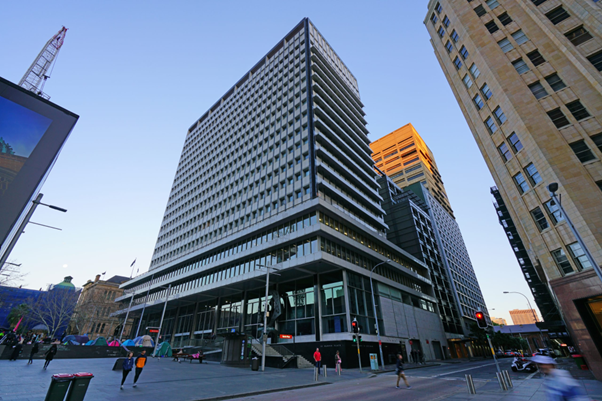
The RBA monitors Iran tensions as energy supply risks threaten inflation in Australia. [MBC Group]
The RBA’s core mandate focuses on price stability, full employment and economic prosperity. Therefore, any external shock that lifts fuel prices or disrupts global supply chains requires attention. Iran’s position in global energy markets places it at the centre of current financial assessments.
Middle East Tensions and Global Oil Supply Risks
Iran plays a significant role in global energy markets. It sits near the Strait of Hormuz, a key shipping route for oil and liquefied natural gas. A large share of the world’s petroleum exports passes through this corridor each day. Any disruption in this region can tighten supply quickly.
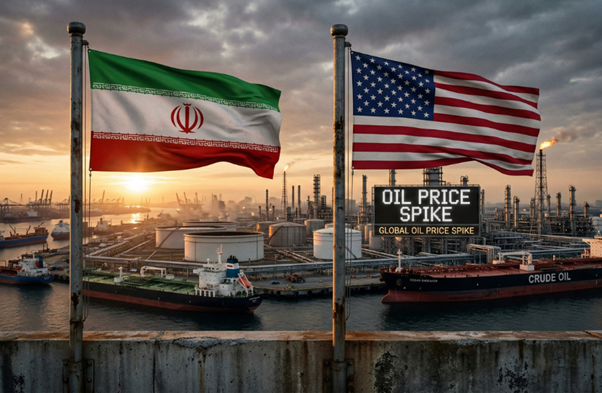
Global oil prices rise amid Iran tensions, influencing fuel costs worldwide. [American Bazaar Online]
Recent geopolitical tensions have raised concerns about shipping security and oil production. When markets anticipate supply risks, oil futures often rise. Higher crude prices flow into global energy costs. This change affects transport, manufacturing, and consumer goods across multiple economies.
Energy analysts note that oil price spikes can occur even without direct supply cuts. Market expectations alone can push prices higher. Therefore, central banks, including the RBA, track both physical supply data and market sentiment indicators.
Oil Prices, Inflation and Australian Consumers
Australia imports a significant portion of its refined fuel. As a result, global oil price movements directly influence domestic petrol prices. When crude prices increase, fuel retailers adjust prices accordingly. This adjustment affects households and businesses almost immediately.
Higher petrol prices raise transport costs for goods and services. Retailers may pass these costs to consumers. Consequently, headline inflation can rise. The Australian Bureau of Statistics includes automotive fuel in the Consumer Price Index. Therefore, sustained oil increases can shift inflation outcomes.
The RBA monitors these developments because inflation remains central to its policy framework. The bank targets inflation between 2 and 3 per cent over time. If global energy shocks lift inflation beyond target, the board may reassess interest rate settings.
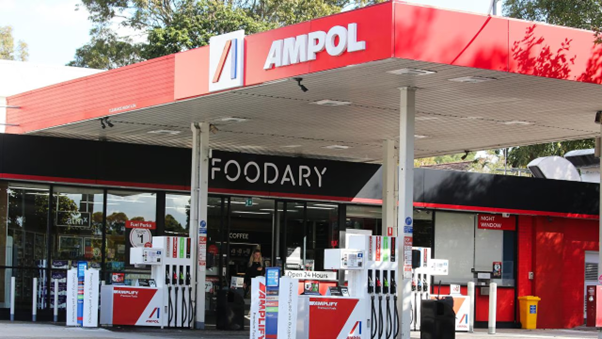
Higher global crude prices can translate into rising petrol costs for Australian households. [The Australian]
Monetary Policy Implications for the RBA
The RBA sets the official cash rate to influence borrowing costs and economic activity. When inflation risks increase, the bank may maintain tighter policy settings. Conversely, if inflation pressures ease, the board can consider adjustments.
In recent statements, RBA Governor Michele Bullock emphasised the importance of external risks. She noted that global uncertainties can affect domestic inflation and growth. Energy markets form a key part of that assessment.
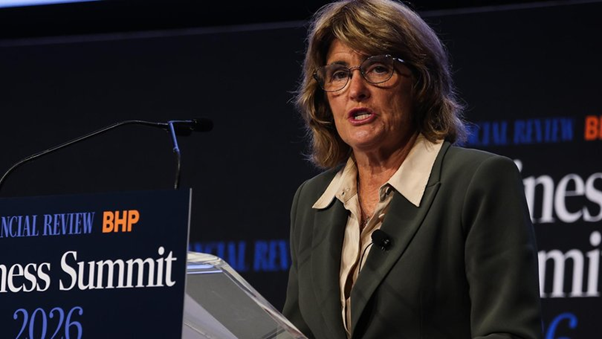
RBA tracks external risks to adjust policy settings and maintain inflation targets. [The Nightly]
If oil prices remain elevated for an extended period, the bank may face policy trade-offs. Higher fuel costs can slow consumer spending while lifting prices. In such cases, policymakers must balance inflation control with economic growth.
Financial markets respond quickly to these signals. Bond yields and exchange rates often shift when investors anticipate policy changes. Therefore, Iran-related risks extend beyond energy markets and into broader financial conditions.
Trade and Supply Chain Effects on Australia
Australia participates actively in global trade networks. Shipping disruptions in the Middle East can increase freight costs. Higher shipping insurance premiums may also raise import expenses. These factors can affect Australian businesses that rely on overseas inputs.
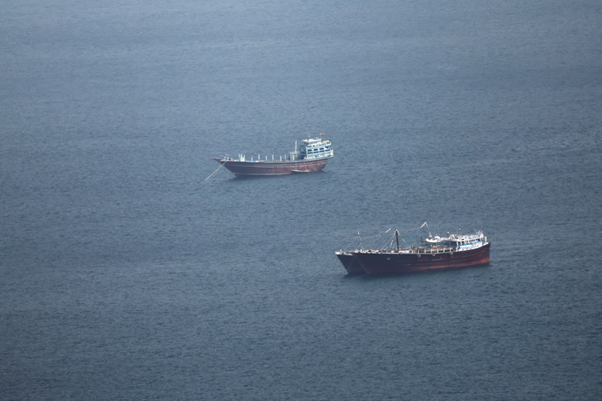
Shipping disruptions in the Strait of Hormuz could raise freight costs for Australian businesses. [Reuters]
Moreover, energy-intensive industries face higher operational costs when oil and gas prices rise. Manufacturers, airlines and logistics firms often adjust pricing strategies in response. This process can widen inflationary pressure across sectors.
Australia exports liquefied natural gas and coal to major Asian markets. In some cases, higher global prices may increase export revenues. However, domestic consumers still face higher petrol prices due to global pricing mechanisms. Therefore, net export status does not fully shield the economy.
The RBA considers these trade dynamics when assessing economic outlooks. Global disruptions can affect both demand for Australian exports and the cost of imports. This interaction shapes overall growth projections.
Global Central Banks and Coordinated Risk Monitoring
The Reserve Bank of Australia does not operate in isolation. Central banks across advanced economies track the same geopolitical developments. Energy shocks often trigger coordinated analysis among policymakers.
When oil prices rise sharply, inflation expectations can increase. Households and businesses may anticipate ongoing price growth. This expectation can influence wage negotiations and pricing decisions. Central banks monitor inflation expectations closely because they affect long-term stability.
International financial institutions also analyse Middle East risks. They assess impacts on global growth, commodity markets and capital flows. These assessments help inform domestic policy decisions in Australia.
Global market volatility can affect the Australian dollar. If investors seek safe-haven assets, currency values may fluctuate. Exchange rate changes then influence import prices and export competitiveness. The RBA incorporates these variables into its modelling.
Current Economic Context in Australia
Australia’s inflation rate has moderated compared to recent peaks, yet price pressures remain under review. The labour market has shown resilience, with unemployment near historical averages. However, external shocks could alter this trajectory.
Household budgets remain sensitive to fuel costs. Mortgage holders also monitor interest rate expectations. Therefore, energy-driven inflation can affect consumer confidence and spending patterns.
The federal government continues to monitor global energy developments as well. Fiscal policy measures may address cost-of-living pressures if required. However, monetary policy remains the RBA’s primary tool for managing inflation.
Recent data from the Australian Bureau of Statistics indicates that fuel prices contribute noticeably to monthly inflation fluctuations. Even moderate oil movements can shift quarterly results. This sensitivity explains the RBA’s attention to geopolitical developments involving Iran.
Also Read: Odyssey Gold Advances Tuckanarra Project WA – Colitco
Why the RBA’s Focus on Iran Matters for Australia and Beyond
The Reserve Bank of Australia watches Iran because geopolitical risks can influence domestic inflation and economic stability. Energy supply uncertainty can lift oil prices quickly. These price shifts flow through transport, production and retail sectors.
Australia’s integration into global markets means external shocks rarely stay contained. Oil price volatility affects households, businesses and financial markets. Consequently, the RBA integrates international developments into its policy deliberations.
The bank aims to maintain price stability while supporting employment and growth. Iran-related risks represent one of several global uncertainties that could shape economic outcomes in the coming months. By monitoring these developments, the RBA seeks to respond promptly and maintain confidence in Australia’s financial system.
As global tensions evolve, policymakers will continue to assess energy prices, trade flows and inflation data. Their decisions will depend on verified economic indicators and credible analysis. For Australia and other economies, stability in energy markets remains essential to sustained economic growth.
FAQs
1) What is the RBA watching in the Iran situation?
Ans. The bank monitors global oil prices, shipping disruptions, inflation expectations and financial-market responses. These variables can alter domestic inflation and borrowing costs.
2) Why does Iran matter to Australian inflation and prices?
Ans. Iran sits near a key oil choke-point. A closure or attacks can push global crude and freight prices higher. Higher global energy costs feed into domestic petrol and transport prices.
3) Could petrol prices rise markedly in Australia?
Ans. Yes. Economists model scenarios where a prolonged shipping disruption adds significantly to retail fuel prices. Even a temporary closure could raise pump prices sharply.
4) Is there an immediate risk of fuel shortages in Australia?
Ans. The federal government reports substantial fuel stocks and says there is no need to panic buy. Stocks and supply arrangements can limit short-term shortages.
5) How would higher oil prices affect the RBA’s policy decisions?
Ans. Rising energy costs increase headline inflation and can lift inflation expectations. The RBA would weigh these pressures when setting the cash rate to meet its 2–3 per cent target.
6) Which indicators will the RBA and markets watch next?
Ans. They will track crude and LNG futures, tanker freight rates, insurance premiums for Gulf shipping and short-term inflation expectations. Labour-market data will show domestic pass-through.
7) What practical steps should businesses and households consider?
Ans. Businesses should stress-test budgets for higher fuel and freight costs. Households can plan for possible short-term fuel price volatility. Monitor official data and central-bank commentary.


