
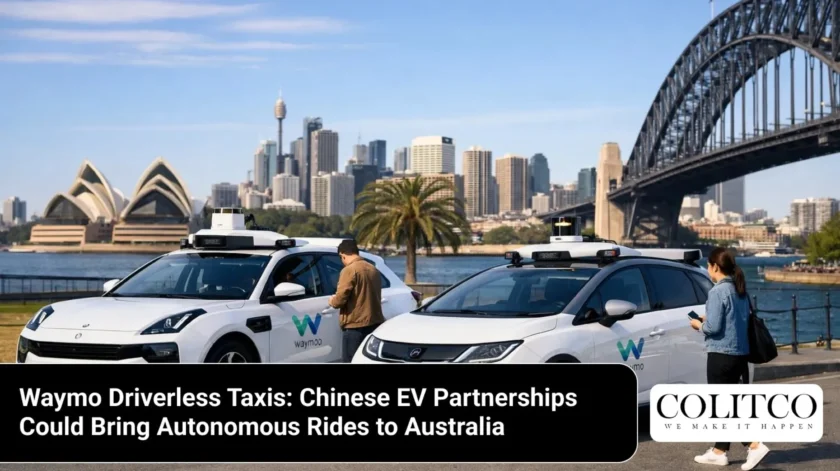
Waymo is exploring something ambitious for Australia’s transport future. The Alphabet-owned autonomous driving Company is reportedly in early discussions with Chinese electric vehicle manufacturers. The goal is to bring driverless taxi services to Australian cities. No formal agreements exist yet, but the conversations signal serious intent.
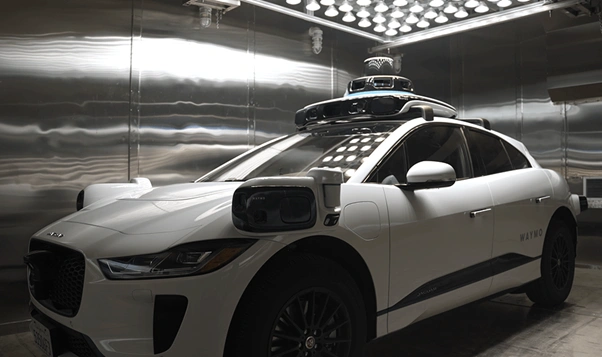
Figure 1: Waymo autonomous vehicle equipped with sensor suite undergoing controlled testing conditions [Source: Waymo]
The Waymo Australia launch would mark a significant milestone beyond North America. The Company operates fully autonomous taxi services across multiple US cities. An Australian expansion could position the country among the first international markets for large-scale robotaxi operations. For investors watching the mobility sector, these Waymo driverless taxis discussions reveal a shifting global strategy.
Waymo Driverless Taxis: Early Discussions Focus on Vehicle Supply Partnerships
Waymo is talking with Chinese EV brands about potential vehicle partnerships. These discussions remain exploratory without formal commitments. The conversations focus on vehicle supply rather than immediate commercial deployment. Waymo separates its autonomous driving software from vehicle manufacturing. The Company prefers integrating its technology into purpose-built electric vehicles.
Australia sits among several international markets under consideration. Waymo is evaluating long-term expansion opportunities beyond the United States. Any potential Waymo Australia launch would likely begin with pilot programmes. Regulatory engagement and limited geographic testing would precede commercial service.
The Company has historically taken a methodical approach to expansion. Safety validation and regulatory compliance take priority over speed. Even if Australia becomes a target market, rollout would require years rather than months.
Why Australia Attracts Waymo Driverless Taxis Interest
Australia presents attractive features for autonomous vehicle developers. Major cities like Sydney and Melbourne offer modern road infrastructure. Predictable traffic patterns and high smartphone penetration support app-based mobility services. The country shows a growing policy focus on future transport technologies.
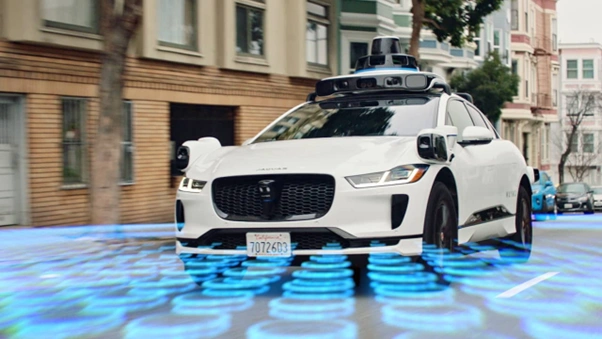
Figure 2: Waymo driverless taxi operating on public roads [Source: Waymo]
However, autonomous vehicle regulation in Australia is state-based. Approval processes vary across jurisdictions. Testing frameworks exist in several states already. Commercial deployment of fully driverless taxis requires further regulatory clarity. Safety, liability, insurance, and data governance need definition.
The Waymo Australia launch would test the country’s readiness for advanced transport technologies. For policymakers, it represents an opportunity to shape autonomous vehicle frameworks. For urban planners, it could reshape mobility patterns in dense areas.
Chinese EV Companies Offer Manufacturing Scale for Waymo Driverless Taxis
Waymo’s engagement with Chinese EV manufacturers reflects broader autonomous vehicle sector trends. Chinese automakers have rapidly advanced electric vehicle technology. They offer cost-efficient, scalable platforms with strong battery performance. Vehicle architectures have become increasingly sophisticated.
Industry speculation points to potential links with companies connected to Geely. The Geely group owns or holds stakes in several global automotive brands. Geely has established relationships with Waymo through vehicle supply arrangements.
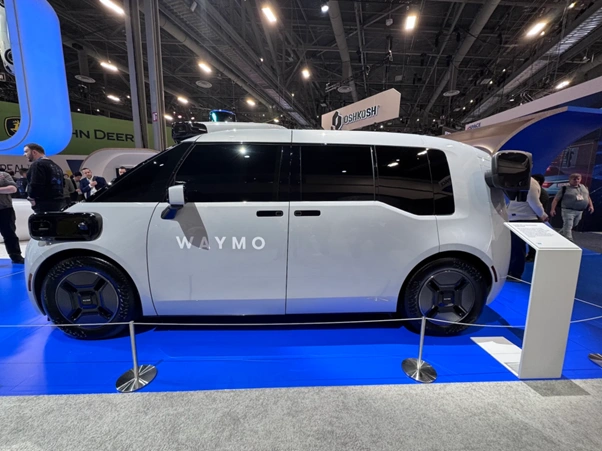
Figure 3: Zeekr-built autonomous vehicle rebranded by Waymo [Source: China EV Home]
Waymo confirmed partnerships with Zeekr, a Geely-owned EV manufacturer. Hyundai Motor Group also supplies next-generation electric vehicles designed for autonomous driving. These vehicles form the backbone of Waymo’s expanding US robotaxi fleet.
Working with EV companies in China could offer manufacturing scale. Lower unit costs and faster fleet expansion become possible. This matters as autonomous services move from pilots to larger commercial operations.
Regulatory Challenges Face Waymo Driverless Taxis in the Australian Market
Regulatory approval represents the most immediate hurdle. Australian authorities must verify that Waymo driverless taxis meet stringent safety standards. Clear accountability frameworks are needed for accidents or system failures. State-based regulation complicates this process.
Geopolitical considerations also exist. The use of Chinese-manufactured vehicles in critical transport infrastructure attracts scrutiny. Data security, supply chain resilience, and national interest concerns require attention. These issues may influence how partnerships are structured.
Public perception plays a crucial role. Acceptance of autonomous vehicles has grown but trust remains incomplete. Driverless taxis still face safety concerns among consumers. Waymo’s US track record may build confidence. Local education and transparency would be essential for the Waymo Australia launch.
What Australian Launch Means for Urban Mobility and Transport Innovation
The Waymo Australia launch could reshape urban mobility significantly. Twenty-four-seven autonomous ride-hailing becomes possible. Transport costs could be reduced while improving access in dense urban areas. It might accelerate broader adoption of autonomous and electric vehicles.
For policymakers, a Waymo entry tests Australia’s technology readiness. For investors and industry participants, it underscores Australia’s growing relevance. The global mobility and autonomous driving ecosystem is expanding. Australia could position itself at the forefront.
The discussions also highlight how EV companies in China are becoming integral to global autonomous vehicle deployment. Manufacturing partnerships determine the speed and scale of rollout. Cost structures influence commercial viability and market accessibility.
Also Read: Resolution Minerals Reports Exceptional Antimony, Gold and Silver Grades at Antimony Ridge
FAQ
Q1. What is Waymo exploring in Australia?
Ans. Waymo is exploring partnerships with Chinese electric vehicle manufacturers to potentially launch driverless taxi services in Australia. These discussions remain in early stages without formal agreements or confirmed timelines.
Q2. Which Chinese EV companies might partner with Waymo?
Ans. Industry speculation suggests potential links with Geely-connected companies. Waymo has confirmed partnerships with Zeekr, a Geely-owned manufacturer, and Hyundai Motor Group for vehicle supply in other markets.
Q3. When could Waymo driverless taxis launch in Australia?
Ans. No timeline has been announced. Any potential rollout would require regulatory approvals, pilot programmes, and safety validation. The process would likely take years rather than months.
Q4. Where does Waymo currently operate driverless taxi services?
Ans. Waymo operates fully driverless taxi services in Phoenix, San Francisco, Los Angeles, and Austin in the United States. The Company has completed millions of autonomous trips.


