
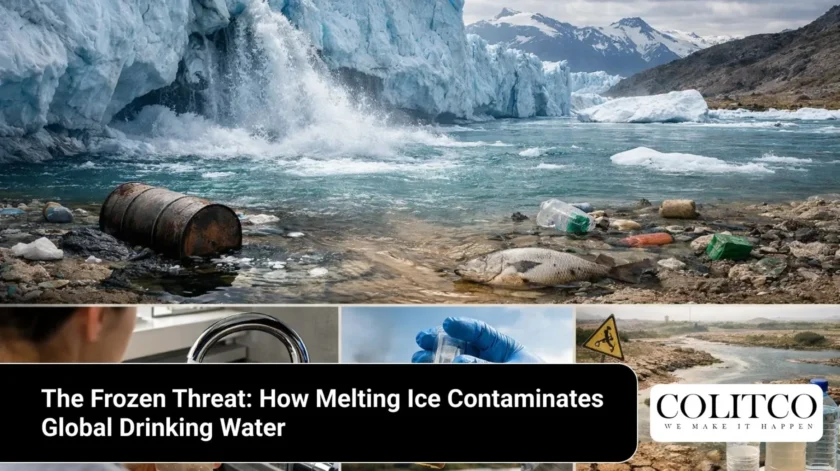
Climate change drives the rapid melting of global glaciers. This process releases antibiotic resistance genes into rivers and lakes. These genetic elements remained trapped in ice for thousands of years. Scientists now warn of a growing threat to water security. Meltwater carries these genes from frozen peaks to downstream ecosystems.
This phenomenon affects regions from the Arctic to the Tibetan Plateau. Icy landscapes act as archives for ancient microorganisms. The current rate of warming turns these archives into active sources. Meltwater transports these biological contaminants into drinking water supplies. This shift creates a new pathway for drug-resistant bacteria.
The Science of Frozen Genetic Material
Glaciers preserve DNA under extreme cold and low-nutrient conditions. Microbes in these environments compete for limited resources. Some bacteria produce natural antibiotics to kill competitors. Other bacteria develop resistance mechanisms to survive these attacks. These traits exist in the form of antibiotic resistance genes.
Researchers identified 154 specific resistance genes in polar regions. These genes provide protection against several modern medicines. The list includes resistance to vancomycin and tetracycline. It also includes resistance to beta-lactam and fosfomycin. Melting ice introduces these ancient traits back into the environment.
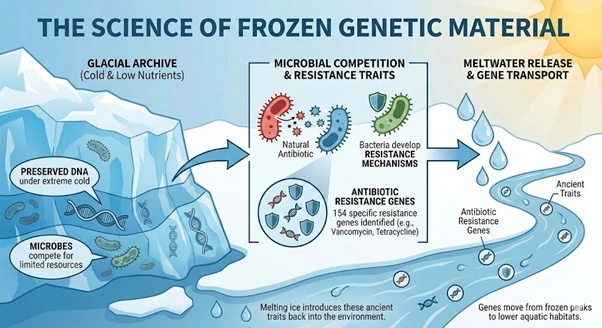
The Science of Frozen Genetic Material
Connecting Glaciers to Downstream Rivers
Scientists describe this process through the glacier continuum concept. This model views glaciers and rivers as a single connected system. Meltwater serves as the vehicle for genetic transport. Genes move from high altitudes to lower aquatic habitats. This movement allows ancient genes to meet modern bacteria.
Rivers act as mixing zones for different microbial populations. Warm water downstream supports faster bacterial growth. This environment encourages the exchange of genetic material. Bacteria share resistance traits through horizontal gene transfer. This process increases the prevalence of drug-resistant organisms in nature.
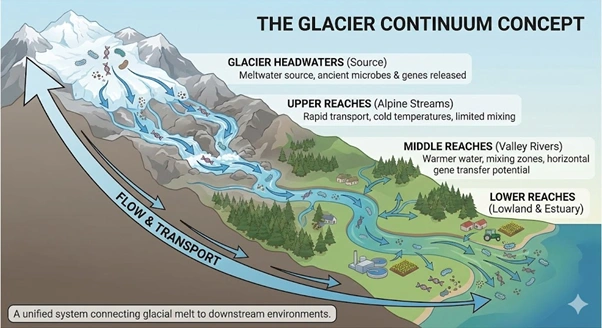
The glacier continuum concept
Alarming Figures in Global Ice Loss
The world has lost 9,000 billion tonnes of ice since 1975. Annual ice loss currently averages 273 billion tonnes. This volume equals the water needs of the global population for 30 years. Glaciers feed rivers that support over 1.2 billion people. These statistics highlight the scale of the potential contamination.
- Glaciers lost 5% of their mass between 2000 and 2023.
- Swiss glaciers lost 12% of their volume in five years.
- Rising temperatures cause glaciers to melt at unprecedented speeds.
- The UN declared 2025 the International Year of Glaciers’ Preservation.
Interaction with Clinically Important Drugs
The released genes link to antibiotics used in human medicine. These include drugs essential for treating common infections. The presence of these genes in water sources complicates healthcare. Resistant bacteria reduce the effectiveness of standard medical treatments. This situation poses a risk to patients in remote and urban areas.
Some bacteria also carry virulence factors alongside resistance genes. These factors enable bacteria to cause disease in humans. The combination of resistance and virulence creates dangerous pathogens. Glacier melt could contribute to the emergence of hard-to-treat infections. Public health officials monitor these developments with increasing concern.
Human Impacts on Remote Environments
Human activities introduce modern pollutants into distant icy regions. Airborne contaminants travel long distances through the atmosphere. Migratory birds also carry bacteria to high-altitude sites. Tourism and scientific stations add to the local microbial load. These factors merge with the release of ancient genetic material.
- Scientific stations operate in previously pristine polar areas.
- Pollutants accumulate in snow before entering the ice.
- Wild animals transport resistant microbes across geographic borders.
- Anthropogenic inputs change the natural resistome of the cryosphere.
Expert Analysis on Microbial Archives
Corresponding author Guannan Mao of Lanzhou University provided specific insights. “Glaciers have long been viewed as pristine and isolated environments,” Mao said. “Our review shows that they are also genetic archives that store antibiotic resistance, and climate-driven melting is turning these archives into active sources.”
Mao further commented on the essential nature of these water sources. “Glacier-fed rivers and lakes are essential water sources for millions of people,” Mao said. “Once resistance genes enter these connected systems, they can interact with modern bacteria, increasing the risk of spread through microbial communities.”
Also Read: Cosmic Crash Sparks Mysterious Black Hole Birth in Infinity Galaxy
The Role of Global Warming
Arctic regions warm nearly four times faster than the global average. This rapid heating destabilises long-standing microbial archives. Meltwater flows through landscapes at increasing volumes. These flows wash tonnes of bacteria into downstream systems. Researchers estimate the release of 100,000 tonnes of bacteria over 80 years.
This biological influx reshapes the composition of aquatic ecosystems. Ancient pathogens could re-emerge as ice retreats further. The melting process removes a natural barrier for these organisms. This environmental shift occurs faster than scientists can catalogue the species. Every millilitre of meltwater contains tens of thousands of microbes.
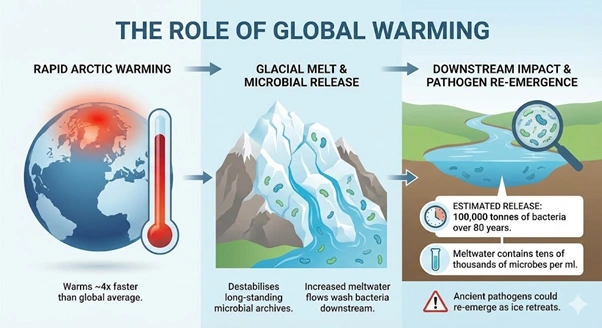
The Role of Global Warming
Future Monitoring and Health Frameworks
Scientists call for the creation of early-warning frameworks. These systems must track resistance genes along the entire water pathway. Metagenomic sequencing provides a tool for this detailed monitoring. Researchers urge the adoption of a One Health perspective. This approach connects environmental health with human medical outcomes.
“Recognising glaciers as part of the global antibiotic resistance landscape is an important step toward protecting both environmental and human health,” the review stated. Constant surveillance helps identify risks before they become entrenched. Effective management requires international cooperation and shared data. Governments must address the dual threats of climate change and antimicrobial resistance.


