

The Quebec Superior Court recently authorised a class action lawsuit against Ticketmaster. This legal action targets the service fees that the company charges consumers. Justice Eleni Yiannakis delivered the ruling on 5 January 2026. She stated that the case meets the necessary conditions for a full trial.
The lawsuit alleges that the company implements service fees that lack fairness. These charges reportedly violate the Quebec Consumer Protection Act. The legal team also cites breaches of the Quebec Civil Code. This ruling allows thousands of consumers to seek compensatory refunds.

Ticketmaster faces a lawsuit over its service fee structure
Allegations of Abusive Pricing
Law firm Paquette Gadler filed the original claim in August 2024. The firm represents lead plaintiff Felipe Morales and other affected customers. The lawsuit describes the pricing model as “excessive, unreasonable, abusive and disproportionate”. It claims that fees do not reflect the actual cost of the service provided.
The legal documents state that Ticketmaster scales its fees based on ticket prices. This practice results in higher costs for more expensive seats. Internal data suggests that service fees sometimes reach 75% of the base price. The plaintiffs argue that this structure exploits the market position of the company.
The Experience of Felipe Morales
Felipe Morales initiated the legal challenge after a 2022 purchase attempt. He sought four tickets for a Bruce Springsteen concert in New Jersey. Morales initially selected floor seats priced at $225 each. However, the Ticketmaster system prevented him from completing the transaction.
“When the Plaintiff attempted to finalise his purchase, he received a message to the effect that his ‘transaction could not be finalised‘,” the lawsuit states. Morales returned to the platform minutes later to find the original seats gone. He eventually purchased different tickets for $1,000 each. This new transaction included an additional $599 in service fees.

Tickets for Bruce Springsteen in 2022 were sold at a higher price
Financial Statistics and Consumer Impact
The lawsuit encompasses a wide group of consumers in North America. It includes anyone who purchased tickets through Ticketmaster since July 2021. Experts estimate that the case affects thousands of individuals. The total value of overcharged fees could reach millions of dollars.
- Service fees often exceed 15% of the total transaction.
- Some fees represent 75% of the face value.
- Ticketmaster collected $16.4 billion in fees between 2019 and 2024.
- The company processes over 50,000 events annually.
Market Dominance and Monopoly Concerns
The legal complaint highlights the market power of Live Nation Entertainment. Live Nation owns Ticketmaster and operates a vertically integrated business model. This model controls artist management, event promotion, and venue ownership. The plaintiffs claim that this structure creates a monopolistic environment.
“It is clear that the global and regional situation in which the Live Nation company and its Subsidiaries, including the Defendants, operate is monopolistic, and this only reinforces the need to ensure that the Defendants comply with their legal obligations,” the lawsuit reads. This dominance limits options for consumers and event organisers alike.
Federal Trade Commission Intervention
The United States Federal Trade Commission also pursues legal action against the firm. The FTC filed its lawsuit in September 2025. This case alleges that Ticketmaster engages in deceptive pricing tactics. It further accuses the company of coordinating with ticket brokers.
The FTC claims that Ticketmaster allows brokers to bypass purchase limits. These brokers then resell tickets on the same platform at higher prices. Ticketmaster filed a motion to dismiss this case on 6 January 2026. The company calls the FTC action an instance of agency overreach.
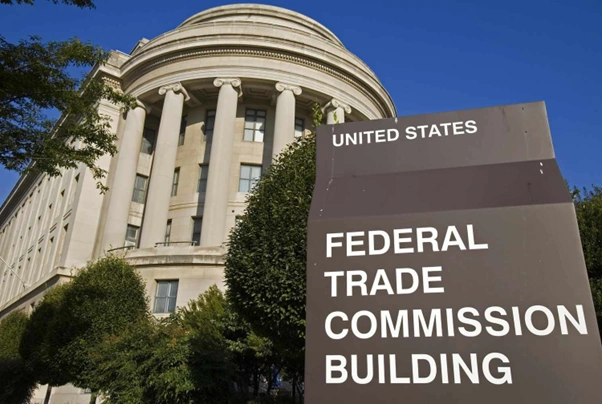
The FTC claims that Ticketmaster allows brokers to bypass purchase limits
Evidence From Internal Communications
Internal emails suggest that company officials recognise the issues with ticket brokers. One executive reportedly admitted that the firm can identify brokers who bypass security. However, the company continues to “turn a blind eye as a matter of policy”. This information comes from documents obtained during the discovery phase.
The FTC also alleges that the company avoids effective security technologies. Staff members reportedly rejected third-party identity verification because it worked too well. One internal message described the technology as “too effective” at stopping brokers. These revelations have intensified public scrutiny of the ticketing giant.
Department of Justice Antitrust Trial
The United States Department of Justice seeks to dismantle the current corporate structure. The DOJ antitrust trial carries a scheduled start date of 2 March 2026. This case aims to separate Ticketmaster from Live Nation Entertainment. Forty state attorneys general have joined the federal government in this suit.
- The DOJ filed the original antitrust case in May 2024.
- Judge Arun Subramanian rejected a motion to dismiss in March 2025.
- The government seeks a structural remedy to increase competition.
- A successful outcome might force the sale of the ticketing division.
Privacy and Data Collection Lawsuits
Ticketmaster faces additional legal pressure regarding its data practices. A new class action lawsuit started in California on 5 January 2026. This case alleges that the company uses unauthorised tracking tools. These tools reportedly collect user information without consent.
The lawsuit mentions trackers from Google, Facebook, and TikTok. It also cites the use of tools from Microsoft Bing and Snap. These analytics programmes allegedly process consumer data for profit. This adds to the growing list of legal challenges facing the organisation.
Also Read: UK Government Confirms Benefit and Pension Payment Dates for February 2026
Response From Ticketmaster Management
The company maintains that its pricing practices provide transparency to fans. Management points to the use of “all-in pricing” in certain markets. They claim that showing total costs upfront benefits the consumer. The firm has used this approach in Canada since 2018.
“We believe the most fair and transparent approach is showing fans the total cost upfront, which we’ve done in Canada since 2018,” the company stated. Executives argue that most fees go to the venues and artists. They claim that Ticketmaster retains only a small portion of the service charge.
Future Implications for the Industry
The outcome of these legal battles will reshape the live music industry. A victory for the plaintiffs in Quebec would trigger massive refunds. It would also force a change in how the company calculates fees. Regulatory bodies across the globe monitor these developments closely.
Investors have reacted to the ongoing litigation with caution. The stock price for Live Nation Entertainment recently declined by 16%. Market analysts expect continued volatility as the March trial approaches. Fans remain hopeful that these actions will lead to lower ticket costs.


