
Nationwide Building Society has issued a nationwide warning to customers in the United Kingdom. Scammers use impersonation calls to take money from bank accounts. These criminals pretend to represent the building society or the police. Recent data shows a rise in these fraudulent activities across the country.
The building society launched a tool to combat these crimes. This feature appears within the banking application. It confirms if a staff member actually calls the customer. Users access the feature via the “More” section in the app. This technology provides real-time verification for every call.
Nationwide Building Society has issued a warning
New Technology Protects Bank Accounts
The Call Checker feature links the phone line to the internal systems of the bank. It displays a message on the user’s screen. This message states whether the call originates from a genuine employee. The system prevents fraudsters from successfully impersonating the bank staff. This update builds upon the existing Scam Checker service.
The original Scam Checker service already protects thousands of customers. It prevents the loss of 300,000 pounds every month. Over 100,000 people use this service to verify payments. The new addition focuses specifically on phone calls. It gives power back to the public during conversations.
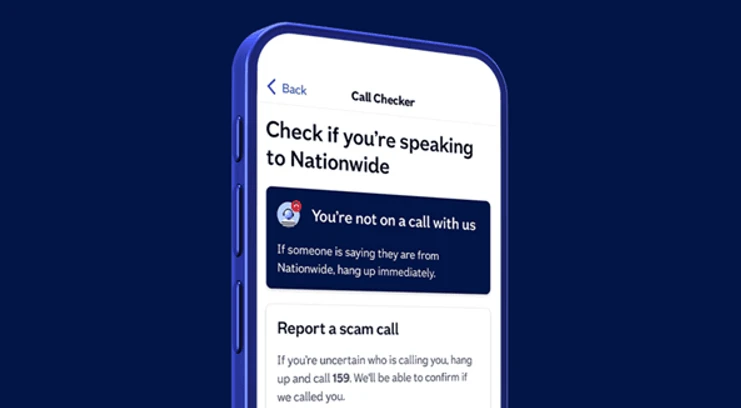
Nationwide’s new call checker app
Statistics Highlight Rising Fraud Threats
Research from the building society reveals the scale of the problem. The average person in Britain receives eight scam calls every month. This figure equates to two suspicious calls every week. About 57 per cent of respondents believe these calls increase in frequency. Only 28 per cent of people feel confident in spotting a scam.
Impersonation scams represent 17 per cent of all reported fraud at Nationwide. These crimes occurred frequently throughout 2024 and 2025. Data indicates that these scams result in millions of pounds in losses. The building society now urges customers to use the app for safety. This step reduces the risk of becoming a crime statistic.
Age Groups Face Different Risks
Criminals target all age groups with these tactics. However, the data shows that those over 65 suffer the most. This demographic accounts for 55 per cent of all victims. Younger adults also face significant threats from these fraudsters. About 44 per cent of people aged 25 to 34 receive scam calls.
One in four young adults would return a call to an unknown number. This action increases the risk of financial loss. Nearly 20 per cent of people aged 50 to 65 have also faced targets. Scammers adapt their scripts for different generations. They use pressure and panic to control the victims.
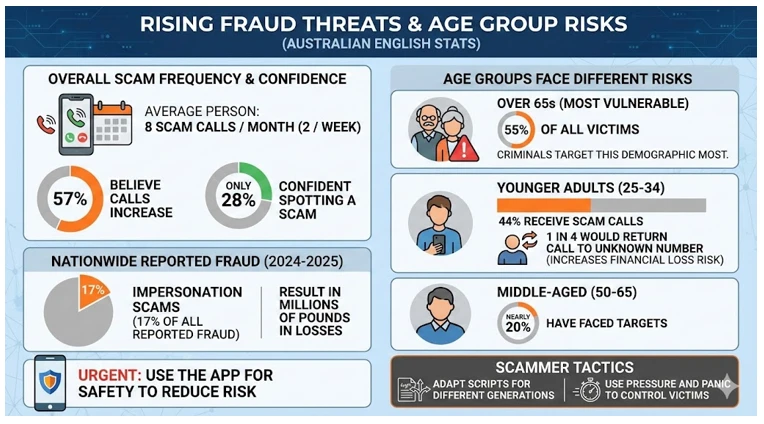
Rising Fraud Threats
Common Tactics Used By Scammers
Fraudsters use bold tactics to gain access to funds. They often ask victims to perform specific actions during the call. These actions help the criminals bypass security measures. The following list details the most common requests from scammers:
- Sharing personal details with the caller
- Providing security codes from text messages
- Transferring money to a different account
- Telling lies to the bank staff
About 50 per cent of scammers ask for personal information. Another 34 per cent request security codes from the victim. Some 31 per cent demand a direct transfer of money. These tactics allow criminals to enter the bank accounts of others. They often suggest the victim is paying a friend.
Manipulation Techniques Exposed
Scammers tell victims to lie to their bank colleagues. About 15 per cent of victims receive this instruction. The criminals suggest saying the payment is for a family member. This tactic helps the transaction go under the radar. It reduces the number of checks from the fraud team. This method protects the high-risk payment from scrutiny.
Panic plays a central role in these interactions. Scammers claim the account of the victim is under threat. They force the person to make quick decisions. This pressure prevents the individual from thinking clearly. Jim Winters, Director of Economic Crime at Nationwide, provided insight into this behaviour. He stated:
“Scammers are becoming more sophisticated, and impersonation calls are one of the most common ways they trick people into handing over money. We are programmed to trust people, and when someone uses clever tactics and well-practised scripts – often putting us under pressure or making us panic – it can be hard to know who to trust.”
Reporting Rates For Scams
Many people do not report these incidents to the authorities. Only 29 per cent of people contact their bank after a scam call. About 26 per cent of individuals report the event to Action Fraud. Close to 17 per cent of people take no action at all. This lack of reporting helps the criminals continue their work.
The building society encourages everyone to report suspicious activity. Reporting helps the bank track the methods of the criminals. It also allows for the blocking of fraudulent accounts. Experts recommend hanging up the phone immediately if doubt exists. Customers should then contact the bank using a trusted number.
Expert Opinions On Banking Security
Security experts welcome the introduction of the Call Checker. They believe banks finally compete effectively with scammers. Some critics point to the lack of innovation in the telecoms industry. They argue that phone networks should do more to block fraud. Banks must build higher walls to protect the customers.
The use of artificial intelligence makes scams more convincing. AI can clone voices and automate the attacks. This technology makes the calls sound professional and calm. The Call Checker acts as a reality check for these fraudsters. It moves the verification process into a secure digital environment. Jim Winters commented on the effectiveness of the tool:
“Our call checker feature gives our customers peace of mind by confirming if a call is genuine or not. It’s a simple and effective step that could prevent someone from becoming the next crime statistic.”
Also Read: Iranian Rial Collapse and Fatality Numbers Undermine Governance and Stability in Iran
Advice For Staying Safe
The building society provides clear guidance for all members. People should never share a one-time passcode with anyone. The bank will never ask a customer to move money. Customers should treat their security details with care. Checking transactions regularly helps identify problems early.
The Call Checker feature offers a solution for the lack of confidence. It provides a definitive answer during a stressful moment. Users can see if they speak to a genuine employee. This transparency helps maintain trust in the banking system. The society continues to monitor all accounts for unusual activity.
Summary Of The Nationwide Warning
The rise in impersonation scams requires immediate attention from the public. Nationwide has responded with a verification tool. This feature confirms the identity of the caller through the app. Statistics show that millions of pounds are at risk. Most people now receive several scam calls every week.
- Download the banking app to access Call Checker
- Report all scam attempts to the bank
- Do not follow instructions to lie to staff
- Verify every call before sharing information
The building society aims to reduce the number of victims. They want to make the UK a hostile territory for scammers. Continued vigilance remains the best defence against these crimes. The bank provides support to those who lose money to fraud. They work with law enforcement to catch the criminals.


