
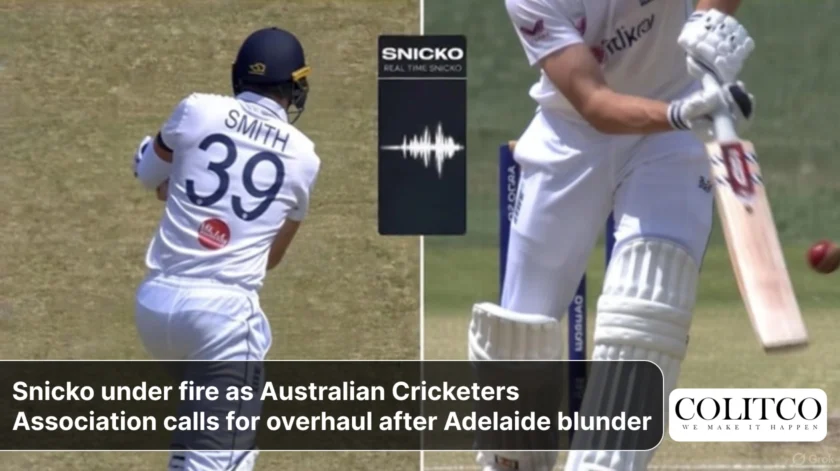
Cricket’s decision review system is again under scrutiny after a chaotic sequence of calls during the third Ashes Test in Adelaide reignites long-simmering concerns over edge-detection technology. What was designed to eliminate doubt instead becomes the central talking point of the match, shifting focus away from performances and onto process.
The flashpoint arrives after Jamie Smith is given out by the TV umpire on day two, despite the Real-Time Snickometer showing only a faint murmur rather than a clear spike as the ball passes the bat. The lack of conclusive evidence immediately sparks debate among players and commentators.
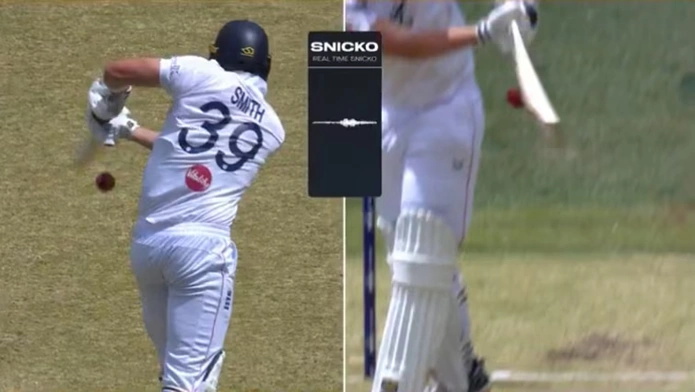
The decision does not occur in isolation. It follows a pattern of review-related controversies across the opening days of the Test, creating a sense of unease around how much confidence can be placed in the system.
The Australian Cricketers Association responds swiftly. The union warns that unreliable technology now carries serious consequences for players whose careers depend on fair adjudication. It calls for an urgent overhaul of Snicko and the governance structures that support it.

Figure 2: A packed Adelaide Oval during the Ashes Test.
Chief executive Paul Marsh says the situation exposes a fundamental flaw in how cricket manages decision review systems. He argues that technology capable of shaping careers should not operate without clear accountability.
Adelaide Test Descends into DRS Confusion
The Adelaide Oval Test slowly descends into confusion as multiple decisions draw scrutiny. Players from both teams appear increasingly frustrated as reviews take longer and outcomes feel harder to justify.
On day one, Australia’s Alex Carey survives a caught-behind appeal when Snicko fails to show a spike. Subsequent replays later reveal a spike appearing before the ball even reaches the bat, raising immediate questions about timing and accuracy.
Carey later admits he edged the ball. BBG Sports, the operator of Snicko, concedes human error is responsible for the malfunction. The admission only deepens concerns around operational reliability.
England is granted a reinstated review on the second morning. While the move acknowledges error, it also highlights how fragile confidence in the system has become.
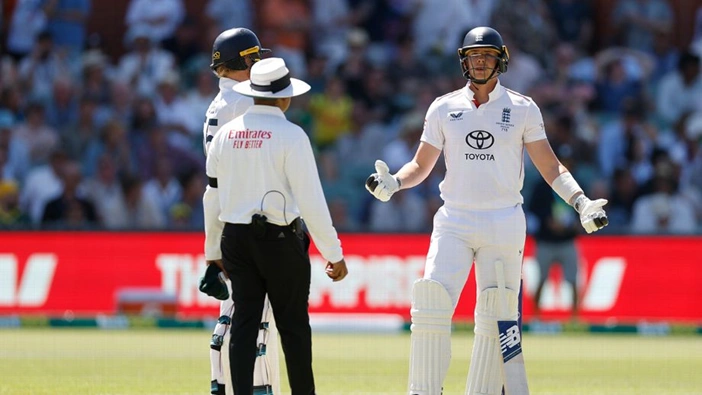
Figure 3: Jamie Smith reacts during the review process in the Adelaide Test.
Two further Snicko-related incidents involving Jamie Smith on day two further inflame tensions. In one case, Australia believes the ball brushes Smith’s glove. The third umpire, consulting Snicko, rules it has instead deflected off the helmet.
Players struggle to reconcile what they feel on the field with what the technology suggests. Each delay and replay chips away at trust.
Players Vent Frustration as Trust Frays
As uncertainty grows, frustration becomes increasingly visible. Australian fast bowler Mitchell Starc voices his displeasure during live play, captured clearly on stump microphones.
“Snicko needs to be sacked,” Starc says. “That’s the worst technology there is.”
The comment resonates because it reflects a broader sentiment rather than a momentary outburst. Players accept human error from umpires. What unsettles them is technology presenting ambiguous information as certainty.

Both teams appear increasingly agitated as the Test progresses. Appeals linger longer. Celebrations are delayed. Momentum stalls while players wait for confirmation that never feels definitive.
Former umpire Simon Taufel later adds to the debate. He argues that removing the soft signal places too much authority in technology, particularly when evidence remains unclear.
“I love to see umpires making decisions,” Taufel says. “Technology is there to support, not replace.”
Who Should Control Decision-making Technology?
At the heart of the controversy sits a broader governance issue. In Australia, Snicko is supplied and operated by BBG Sports and funded by host broadcaster Fox Sports. The broadcaster chooses Snicko over UltraEdge, a more widely used and more expensive system employed in most other cricketing nations.
Marsh questions whether this arrangement makes sense for the sport. He argues broadcasters focus on delivering a product for viewers, not safeguarding competitive integrity.
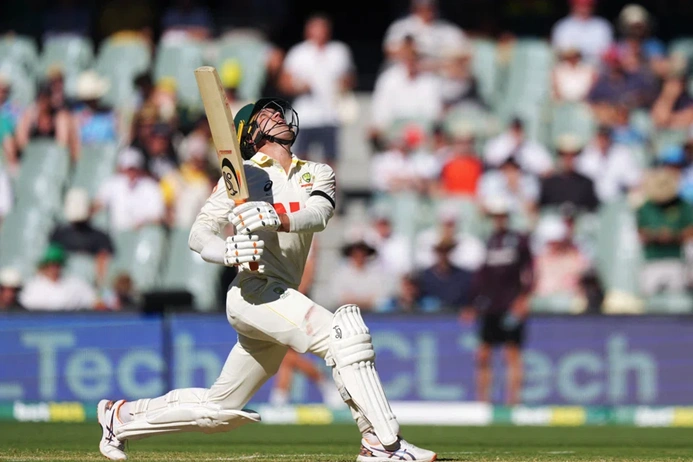
“Their interests aren’t aligned,” Marsh says. “The game should be making sure the right technology is making the right decisions.”
Cricket Australia distances itself from the controversy, framing it as a matter for the host broadcaster rather than the governing body. That response draws quiet criticism from those who believe accountability should sit higher.
The issue highlights how modern cricket increasingly relies on commercial partners to deliver essential officiating tools.
A Broader Issue for Modern Cricket
The Snicko controversy extends well beyond Adelaide. It reflects cricket’s growing dependence on technology without a consistent global framework for its use.
Different countries operate under different systems. The same delivery may produce different outcomes depending on location. That inconsistency raises uncomfortable questions about fairness at the international level.
England plans to raise concerns with the ICC. Australia’s players’ union continues to press for a review. Former players and umpires weigh in publicly.
Technology now shapes narratives as much as performances. When systems fail, they undermine confidence not just in decisions, but in the sport’s governance.
What Happens Next
Any changes to approved review technology or protocols require sign-off from ICC committees. Such processes take time and consensus.
In the meantime, players continue competing under systems they increasingly distrust. The tension between technology and trust remains unresolved.
For the Australian Cricketers Association, the message is clear. Review systems must serve the game, not distract from it.
Until governance catches up with technology’s influence, controversies like Adelaide risk becoming an uncomfortable feature of cricket’s modern era.
ALSO READ: South Australia’s Major Copper-tunity: BHP Investment Signals Mining Renaissance
FAQs
Q1. Why has the Australian Cricketers’ Association called for a Snicko overhaul?
Ans. The Association believes unreliable review decisions threaten fairness and can impact player careers.
Q2. What triggered the Adelaide Snicko controversy?
Ans. Jamie Smith was dismissed despite Snicko showing only a faint murmur rather than a clear spike.
Q3. Who controls Snicko technology in Australia?
Ans. The host broadcaster funds and operates Snicko through BBG Sports.
Q4. What alternative technology is used globally?
Ans. UltraEdge is used in most cricketing nations and is widely considered more reliable.


