
Treasurer Jim Chalmers will reveal a multibillion-dollar improvement in the federal budget. However, the Australian budget deficit will still nearly quadruple to AUD 36.8 billion in this financial year. The Mid-Year Economic and Fiscal Outlook (MYEFO) will be released on Wednesday, 18 December 2025, offering fresh Australian economy budget news for policymakers and markets.
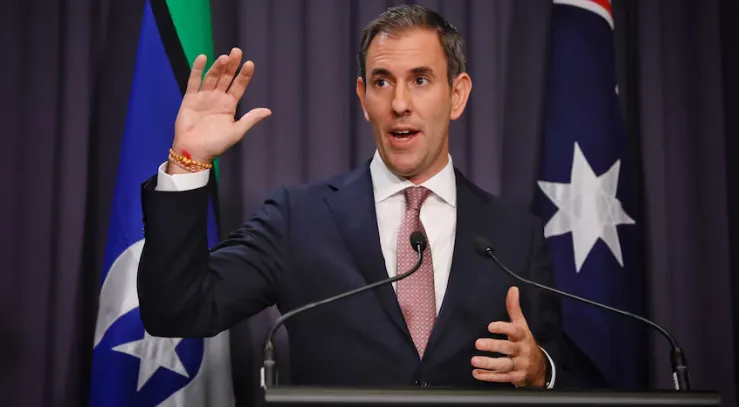
Figure 1: Treasurer Jim Chalmers.
The newly estimated deficit is AUD 5.4 billion, better than anticipated in the Treasury’s pre-election outlook. Despite this improvement, it remains much larger than the AUD 10 billion budget shortfall in 2024-25. Following two consecutive years of budget surpluses, the federal accounts returned to deficit in the most recent financial year.
Australian Budget Deficit Persists Despite Record Savings Measures
Chalmers and Finance Minister Katy Gallagher confirmed AUD 20 billion in cuts and reprioritisations would be contained in the MYEFO update. The newly projected deficit for 2025-26 is part of a skinny AUD 8.4 billion combined improvement over the four years to 2028-29. The treasurer repeatedly warned of difficult decisions over recent days.
Despite all the pressures accommodated in the budget, the bottom line is better every year over the previous year. Chalmers said this improvement comes thanks to the government’s efforts. The AUD 20 billion figure represents savings across four years, taking the total to AUD 114 billion since Labour came to office.
Figure 2: Illustrative image symbolising revenue and fiscal inflows.
To give a sense of the magnitude, it took the previous government seven budget updates to find AUD 20 billion of savings. Labour has found that amount in just this one budget update. The treasurer said the main job has been to not go substantially backwards.
Impact of Tax Windfalls on Budget Deficit Remains Limited
The MYEFO is set to confirm higher-than-previously forecast tax collections. Monthly budget figures already show extra cash flowing from working people. By the end of October 2025, the budget bottom line was AUD 6.6 billion ahead of expectations from March, highlighting the short-term impact of tax windfalls on budget deficit outcomes.
Most of the improvement is due to income tax, which was almost AUD 4 billion stronger through the first four months of the 2025-26 financial year. Taxes on superannuation funds were AUD 3.1 billion better than forecast. An unexpected spike in gold prices, which climbed 64 per cent this year, is also contributing to stronger tax revenue though the overall impact of tax windfalls on budget deficit repair remains constrained.
Iron ore, the nation’s single largest export, was forecast to fall from around USD 100 per tonne to USD 60 per tonne by March. It currently trades at USD 106 per tonne. As usual, commodity prices have stayed higher than Treasury officials’ conservative forecasts, leading to more company tax than estimated.
Major Spending Pressures Push Australian Economy Budget News
Chalmers warned of AUD 35 billion worth of spending pressures facing the budget. These include an extra AUD 6.3 billion for natural disaster relief, AUD 3 billion more for age pensions than planned, and AUD 2.1 billion extra for military super benefits. The government must accommodate these pressures in the MYEFO, keeping the Australian economy budget news cycle focused on fiscal sustainability.
Figure 3: Illustrative image representing tax reporting and revenue calculations.
The budget was released in March 2025, the earliest in the Commonwealth’s history. It forecast a deficit of AUD 42.1 billion for 2025-26. The March budget also forecast deficits of AUD 35.7 billion, AUD 37.2 billion and AUD 36.9 billion over the next three years.
Government departments have been told to find savings of up to 5 per cent by reprioritising spending before the May 2026 budget. As the latest Australian economy budget news continues to dominate headlines, all signs indicate we are in an era of structurally higher government spending,adding pressure to the Australian budget deficit outlook.
Where the AUD 20 Billion in Budget Savings Will Come From
The latest savings package relies largely on further reductions in consultant and contractor costs. This will save a claimed AUD 6.8 billion as part of the AUD 20 billion in overall savings. It is on top of AUD 5.3 billion that the government has claimed to have saved from cuts to external labour since coming to office.
Of the AUD 20 billion projection, about one-third has been shaved off from reduced spending on consultants, contractors and labour hire. Non-wage expenses such as travel, hospitality and property also contribute to savings. These reduced expenses are expected to bring a further AUD 400 million in savings in 2026-27.
Other savings include AUD 1.8 billion from changes to social security deeming rates. Legislative reforms to the veteran support system will save AUD 882 million. The defence portfolio will see AUD 574 million reprioritised, and AUD 425 million will be reallocated from the flagship Hydrogen Headstart program.
Chalmers announced up to AUD 2 billion would be put into the Hydrogen Headstart program in his 2023 budget. More than AUD 400 million of that AUD 2 billion will now be reinvested into low- and zero-emissions technology. This signals that industry interest in hydrogen is waning.
Long-Term Fiscal Outlook Remains Bleak for Australia
The fiscal outlook will remain bleak for the foreseeable future. Official forecasts indicate that budget deficits are expected to persist well into the next decade. Current projections show that a return to budget balance in the mid-2030s depends on assumptions that spending growth remains contained, limiting the long-term impact of tax windfalls on budget deficit reduction.
This projection depends on workers shouldering an ever greater share of the tax burden. Exchange rate movements have been more favourable than Treasury initially anticipated. This is due in part to turmoil in the Trump administration’s economic policy.
Chalmers received the Productivity Commission’s five final reports into how to retune the country’s sputtering economic engine. The treasurer faces a limited parliamentary window before the reports must be released. Even with these unresolved fiscal challenges, the treasurer is emphasising the government’s commitment to budget discipline.
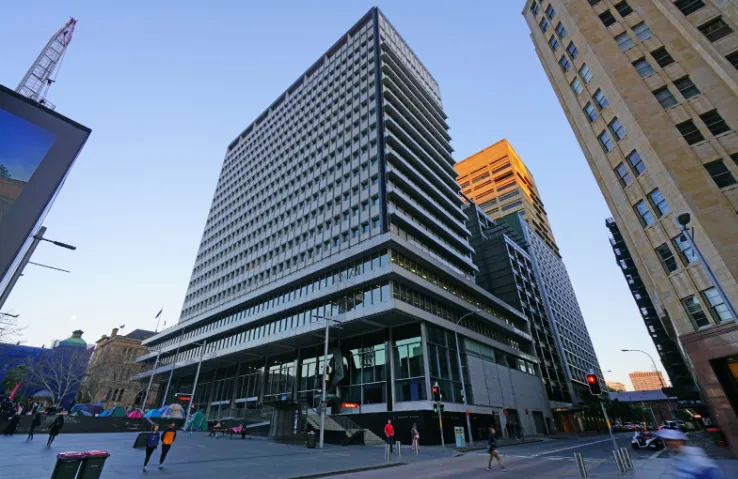
Figure 4: The Reserve Bank of Australia headquarters in Sydney
The government will not be unveiling economic reforms and a long-term strategy for fiscal sustainability at this MYEFO. Even so, the debate around budget repair remains central to Australian economy budget news.
Responsible budgeting means stronger, more reliable services. Saving AUD 114 billion since coming to government has meant the government can invest in things that matter most. This includes cost-of-living support, Medicare and housing.
FAQ
Q1: What is the expected Australian budget deficit for 2025-26?
Ans. The Australian budget deficit is expected to reach AUD 36.8 billion in the 2025-26 financial year, which is AUD 5.4 billion better than anticipated in Treasury’s pre-election outlook but nearly quadruple the AUD 10 billion budget shortfall in 2024-25.
Q2: How much in savings has the government announced for MYEFO?
Ans. Treasurer Jim Chalmers and Finance Minister Katy Gallagher announced AUD 20 billion in cuts and reprioritisations in the Mid-Year Economic and Fiscal Outlook, taking the total savings to AUD 114 billion since Labour came to office.
Q3: What are the major spending pressures facing the budget?
Ans. The government faces AUD 35 billion worth of spending pressures, including an extra AUD 6.3 billion for natural disaster relief, AUD 3 billion more for age pensions than planned, and AUD 2.1 billion extra for military super benefits.
Q4: How does the impact of tax windfalls on budget deficit compare to spending pressures?
Ans. The impact of tax windfalls on budget deficit reduction is significantly outweighed by spending pressures. While windfall revenues from commodities like iron ore (trading at USD 106 vs forecasted USD 60 per tonne) and gold prices (up 64%) have boosted collections, the AUD 35 billion in spending pressures including disaster relief and pension costs far exceed these gains.