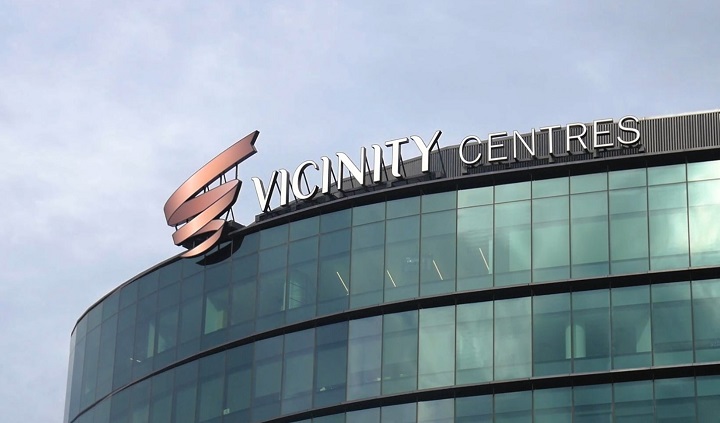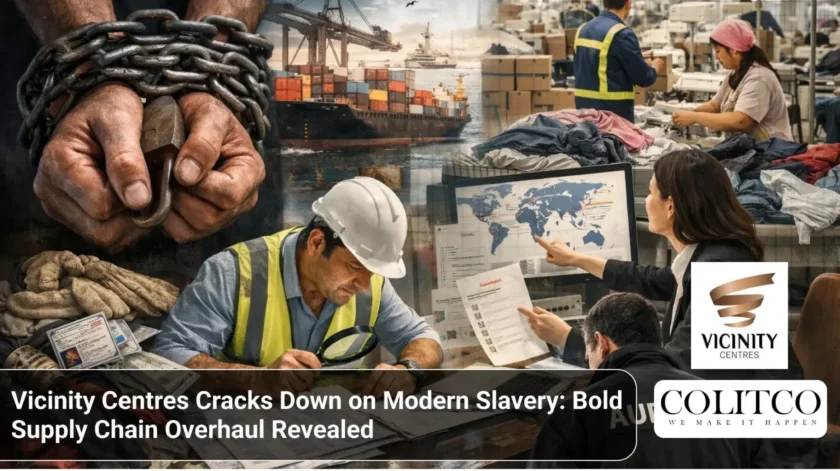
Vicinity Centres (ASX: VCX) published its Modern Slavery Statement. The report covers the group’s actions to identify and tackle modern slavery risks in its operations and supply chain. This forms a core part of Vicinity’s corporate social responsibility efforts, reflecting investor demands for strong environmental, social, and governance (ESG) practices.
The statement details steps to sharpen supplier due diligence and internal governance. Vicinity found no modern slavery instances in its direct operations or supply chain during the period. The company targets risks in high-spend areas like cleaning, security, and construction.
Key Findings from the Modern Slavery Report
Vicinity analyzed its supply chain and risk processes in depth. Highlights include:
- Engaged 2,334 Tier 1 suppliers, with 97% based in Australia.
- Independent review of 1,741 suppliers flagged cleaning, security, construction, and ICT as higher-risk categories.
- After controls review, 13% of suppliers showed medium or high residual risk.
- 84% of total supplier spend is concentrated in five categories: construction, facility services, building services, utilities, and technology.
Strategic Benefits of Enhanced Governance
Bolstering modern slavery due diligence supports Vicinity’s ‘Enable Good Business’ strategy. It cuts operational, legal, and reputational risks—key to building stakeholder trust and long-term value. Responsibility, management stresses run deep into the supply chain.
“Preventing and addressing modern slavery is an essential part of how we uphold human rights and deliver lasting value for our stakeholders,” said Vicinity Chairman Trevor Gerber.
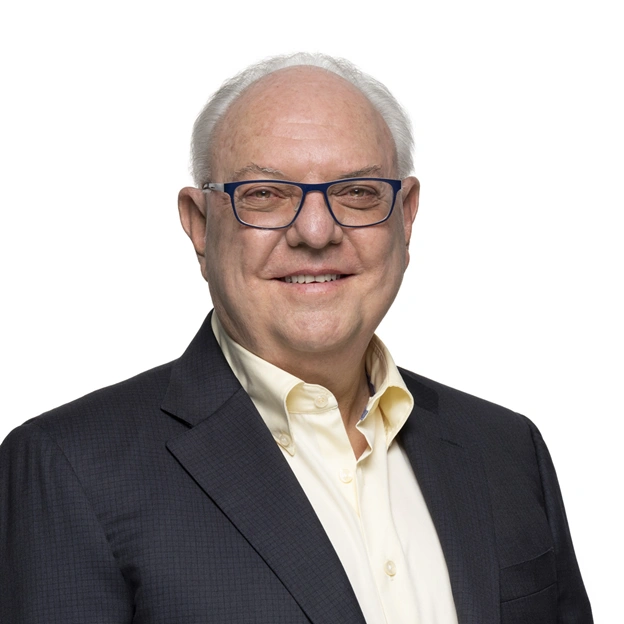
Vicinity Chairman Trevor Gerber
Management Framework and Due Diligence
Vicinity follows the UN Guiding Principles on Business and Human Rights. The company weaves modern slavery risk management into governance and procurement. Recent actions: standardised contract clauses, due diligence in major tenders, and training for over 300 centre-based staff plus 1,800 cleaning and security contractors.
Industry Context and Regulatory Compliance
The report meets Australia’s Modern Slavery Act 2018 requirements. It responds to calls from investors and consumers for supply chain transparency. Property faces unique risks from contractor networks and materials; Vicinity zeros in on high-risk services.
Investor Outlook and Share Performance
Vicinity’s ESG transparency bolsters its pitch to investors. Market cap sits at $11.54 billion, with shares last at $2.525. Modern slavery disclosures give analysts clear metrics on risk handling and governance.
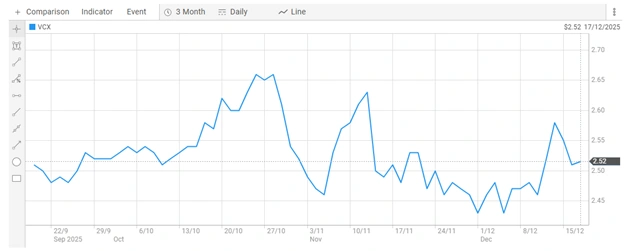
ESG strength drives Vicinity’s $11.54B valuation—modern slavery risks mitigated
Also Read: DroneShield Scores $49.6 Million European Military Deal as Counter-Drone Demand Booms
Forward-Looking Commitments
Vicinity sets FY26 goals: add modern slavery KPIs to ESG reporting, extend due diligence to Tier 2 suppliers in high-risk areas, and launch a Worker Voice Program surveying cleaning and security contractors anonymously across 18 centres.
The statement shows Vicinity’s disciplined handling of modern slavery risks, tying responsible practices to operational strength and investor appeal.
FAQs
1.What is Vicinity Centres’ Modern Slavery Statement?
It is Vicinity Centres’ annual disclosure outlining how the group identifies, assesses, and addresses modern slavery risks in its operations and supply chain, prepared in line with Australia’s Modern Slavery Act 2018.
2.Why does Vicinity Centres have to report on modern slavery?
Large entities operating in Australia are required under the Modern Slavery Act 2018 to publish a Modern Slavery Statement describing the actions they take to manage modern slavery risks.
3.Which areas of Vicinity Centres’ business have higher modern slavery risk?
Property-related services such as cleaning, security, construction, and some ICT and building materials are considered higher risk due to subcontracting, low‑wage work, and complex supply chains.
4.How does Vicinity Centres assess modern slavery risk in its supply chain?
Vicinity uses supplier risk assessments based on industry, geography, and spend, supported by independent reviews, supplier questionnaires, contract clauses, and ongoing monitoring.
5.What actions is Vicinity Centres taking to prevent modern slavery?
Actions include integrating modern slavery into procurement processes, applying a Supplier Code of Conduct, training staff, engaging with high‑risk suppliers, and developing remediation frameworks.
6.How does Vicinity Centres align its modern slavery work with international standards?
Vicinity references the UN Guiding Principles on Business and Human Rights, incorporating these into its ESG strategy and human rights governance approach.
7.How are investors using Vicinity Centres’ modern slavery disclosures?
Investors use the statements and ESG reporting to gauge governance quality, exposure to social risks, and how effectively Vicinity manages and remediates modern slavery risks in its value chain.
8.What happens if a company does not comply with modern slavery reporting requirements?
The Attorney‑General can request an explanation or remedial action and may publish details of non‑compliance on the Modern Slavery Statements Register.
10.Where can I access Vicinity Centres’ Modern Slavery Statements?
Vicinity’s statements are available on its website and on the Australian Government’s Modern Slavery Statements Register.
11.How does Vicinity Centres plan to improve its modern slavery response over time?
Future priorities include deepening due diligence in higher‑risk categories, expanding focus beyond Tier 1 suppliers, strengthening grievance and remediation processes, and enhancing stakeholder engagement.