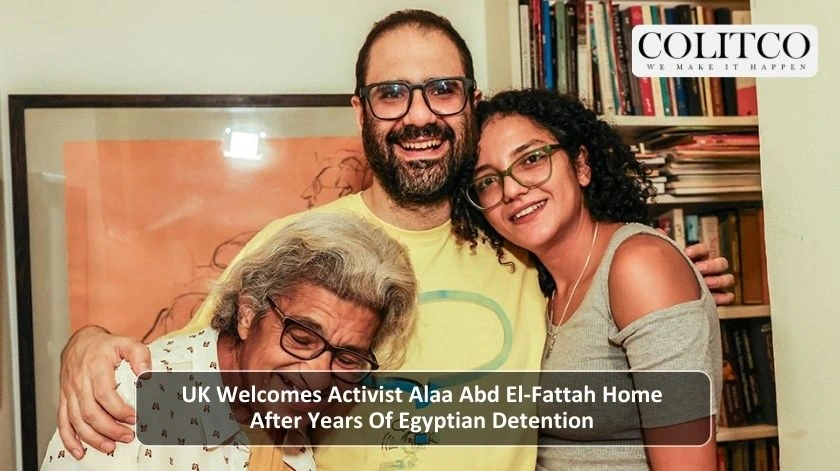
The UK government has positively received the reappearance of Alaa Abd el-Fattah, the activist, in Britain after a long period of detention in Egypt and being subjected to legal limitations. The travel restrictions were lifted in December, and the British-Egyptian activist, therefore, legally travelled out of Egypt.
His coming back signified the end of the long family separation and was a remarkable diplomatic moment for the UK government. Abd el-Fattah, 44, had spent the last ten years mostly in prison or on restrictions related to his campaigning for political change.
Supporters referred to his coming as a relief after constant international pressure and public campaigning. His case continued to be a major human rights issue throughout the tenures of various UK governments.
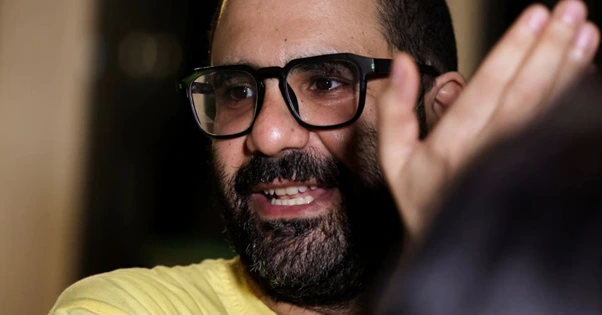
UK Welcomes Activist Alaa Abd El-Fattah Home
What Led To Years Of Egyptian Detention?
The British-Egyptian activist was the one who gained international recognition during the 2011 revolution in Egypt, where he was mainly advocating for democracy and civil rights.
Later, the government arrested him on suspicion of being involved in the communication of false news to the public, a charge that the critics claimed was aimed at peaceful dissent. The courts issued several verdicts that together prolonged his imprisonment at different times.
The human rights organisations have never stopped raising concerns about the conditions of his detention and the fairness of the legal process during his imprisonment in Egypt. Some observers saw his frequent arrests as a part of the general suppression of political expression in the country.
Despite the government’s officials denying the accusation, his case gained recognition as a typical scenario of the restrictions on activists in Egypt being applied more widely.
How Did British Citizenship Change The Case?
Abd el-Fattah has been a British national since 2021, when he was granted citizenship through his mother, who was born in the UK. His imprisonment was a topic of diplomatic engagement between the UK and Egypt.
British officials consistently raised his case to the Egyptian authorities, the partners and the UN. The UK government considered the whole situation a matter of great importance involving the provision of consular services and the promotion of human rights.
The recognition of this status increased pressure for his release and subsequent return. The supporters claimed that the citizenship conferred legal and moral rights for the intervention. His family contended that he was able to maintain the momentum of the negotiations through diplomatic contacts.
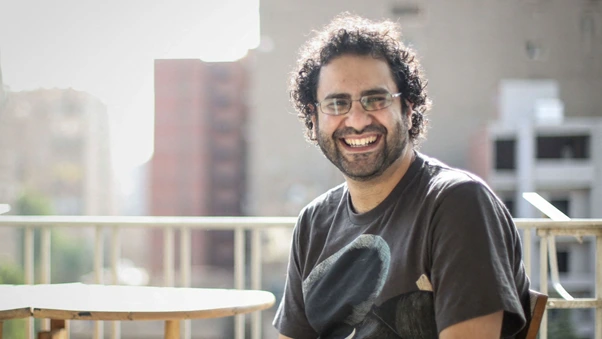
Became British 2021; UK Engaged On His Imprisonment
UK Welcomes Activist As Diplomatic Pressure Pays Off
The UK took in the activist after a presidential pardon was granted, which effectively ended his prison term. However, he was not allowed to leave the country until the Egyptian authorities lifted the extra restrictions months later.
His coming showed how complex legal processes can prolong the time between a release order and the actual freedom of the person concerned. The Prime Minister, Sir Keir Starmer, called the occasion very important and acknowledged the long period of the struggle for his release.
The British officials expressed their gratitude to those who were part of the process of securing his return. The government portrayed the result as a good example of the effective use of diplomatic engagement over a long period.
Family Campaigns Kept International Attention Alive
The family of Abd el-Fattah was very active not only in keeping the name of their son visible during his detention but also in making his case a worldwide issue. His mother organised and led protests and hunger strikes to make the public aware of prison conditions and legal delays.
These acts of his mother and family brought about international scrutiny and public awareness. Supporters claimed that the family’s advocacy had made the case human in terms of legal arguments.
Publicity and protests around the case ensured that it remained part of diplomatic exchanges. The campaigns spotlighted the emotional suffering of the relatives due to long-term detention.
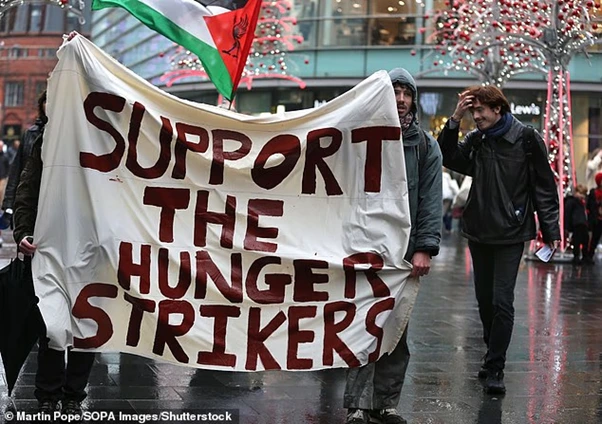
Family Advocated Globally With Protests And Hunger Strikes
What The Return Means For Human Rights Debate
The return of the activist has again put Egypt’s political freedoms and detention practices under the spotlight. His release was a sign of progress, but human rights groups pointed out that many other inmates are still in the same situation as he used to be.
Observers advised not to interpret the case as indicating the existence of reform in the whole system. The decision raised the question of what role governments can play in securing human rights in other countries.
And it also showed the limitation of diplomacy in case of public policy changes that are still uncertain. His return ended one chapter but opened up more general discussions.
Also Read: Pro-Palestinian Protest UK: Greta Thunberg Arrest UK Sparks Global Debate
FAQs
Q1: Who Is The British-Egyptian Activist Mentioned?
A1: Alaa Abd el-Fattah is a pro-democracy activist detained for years over political expression.
Q2: Why Was He Detained In Egypt?
A2: Authorities accused him of offences linked to spreading false information and activism.
Q3: Why Did His Release Take So Long?
A3: Legal sentences, followed by a travel ban, delayed his departure despite a pardon.
Q4: Does His Return Affect Other Detainees?
A4: The case renews attention on others still held but offers no automatic outcomes.