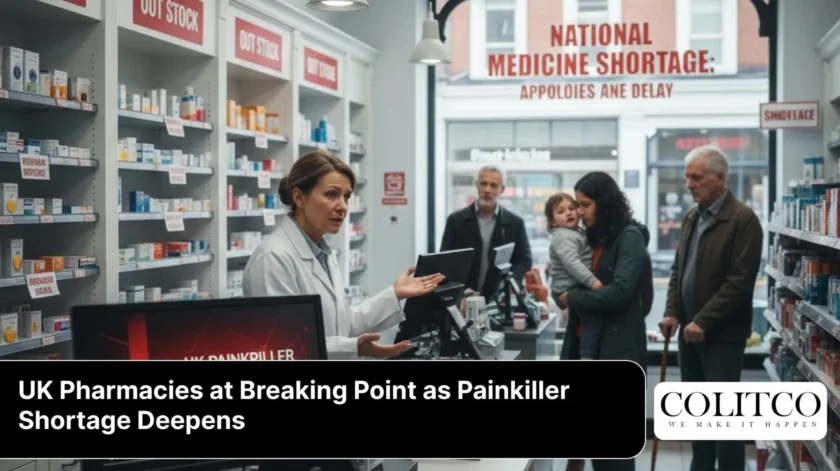
Britain’s pharmacies are sounding the alarm over a deepening crisis that’s leaving shelves empty and patients scrambling for basic pain relief medications.
The scale of the problem has reached unprecedented levels, with new data revealing that 87% of pharmacy staff now face medicine supply issues every single day.
Daily Battle for Basic Medicines
The 2025 Pharmacy Pressures Survey paints a grim picture of the UK’s healthcare supply chain. This marks a sharp deterioration from 67% just three years earlier in 2022.
Pain relief medications have been hit particularly hard. Around half of all pharmacies report depleted stocks of painkiller creams. More than 20% are experiencing shortages of diabetes medications.
Community Pharmacy England warns the supply chain remains “stuck at breaking point.” The organisation represents over 4,300 pharmacy premises across England.
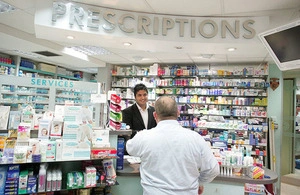
UK pharmacies face unprecedented pressure as medicine shortages become a daily occurrence, forcing patients to visit multiple locations to find prescribed medications [GOV.UK]
Co-Codamol Latest to Join Shortage List
On 16th January 2026, the Department of Health and Social Care issued a Medicine Supply Notification for co-codamol, adding another painkiller to the growing list of affected medications.
The timing couldn’t be worse for patients relying on these essential pain management drugs. Co-codamol combines paracetamol and codeine, making it a crucial medication for moderate to severe pain.
Other painkillers facing supply disruptions include:
- Pain relief creams and topical treatments
- Paracetamol suppositories (expected restocking February 2026)
- Codeine-based products
- Various formulations of common analgesics
NHS Pays Heavy Price
The financial toll on the NHS reached an estimated £220 million in 2022-2023. This represents extra costs incurred when medicines run short and must be sourced at premium prices.
Nearly all pharmacists surveyed (96%) report spending more time managing supply problems. A staggering 40% devote between one and two hours each day just to sourcing alternative medicines.
Nine out of ten pharmacists have noticed a drop in patient satisfaction. Almost two-thirds contact prescribers multiple times daily to resolve shortages.
Patients Playing “Pharmacy Bingo”
The human cost extends far beyond financial figures. 86% of pharmacy owners report patients must visit multiple pharmacies searching for prescribed medicines.
This desperate hunt has been dubbed “pharmacy bingo” by frustrated patients. Many find themselves visiting three, four, or even five different pharmacies before locating their medication.
The frustration boils over into confrontation. 79% of pharmacy team members report incidents of aggression when medicines are unavailable or delayed.
Chronic Structural Challenge
The All Party Parliamentary Group on Pharmacy published a damning report in July 2025. The inquiry found that medicine shortages have “shifted from isolated incidents to a chronic, structural challenge.”
MPs documented treatments disrupted across multiple conditions:
- ADHD medications
- Epilepsy drugs
- Menopause treatments (HRT)
- Diabetes medications
- Bacterial infection antibiotics
In some cases, shortages lead to treatment delays, drug rationing, and adverse health outcomes. The impact falls hardest on those with chronic conditions requiring consistent medication.
Root Causes of the Crisis
The medicine shortage stems from multiple interconnected factors. Supply chains for pharmaceuticals are long, complex, and vulnerable to disruption.
Manufacturing issues rank among the primary causes. Shortages of raw materials and supply disruptions at production facilities create bottlenecks downstream.
Global factors compound the problem:
- Brexit complications affecting EU imports
- COVID-19 pandemic supply chain damage
- Ukraine conflict economic impacts
- Rising manufacturing costs
- Currency exchange rate fluctuations
The UK imports 80-90% of its medicine supply from abroad. This dependence exposes the fragility of supply chains when global events disrupt production or distribution.
Low medicine prices in the UK make it a less attractive market for manufacturers compared to other countries. This pricing pressure reduces supply chain resilience.
Government Response Accelerates
In August 2025, the government published “Managing a robust and resilient supply of medicines”. The document sets out plans to strengthen medicine supply chains.
Key measures include:
- Enhanced processes for reporting supply problems
- Improved communication about shortages
- Consultation on “pharmacist flexibilities”
- Actions to increase supply reliability
The government acknowledges it cannot prevent all shortages. However, officials aim to reduce frequency and minimise patient impact.
Serious Shortage Protocols (SSPs) allow pharmacists to provide specific alternatives when medicines run short. These enable dispensing without patients returning to their GP for new prescriptions.
Calls for Pharmacist Authority
Industry leaders demand greater flexibility for pharmacists to substitute medicines during shortages. Currently, most prescriptions still require GPs to issue revised scripts, even when equivalent medicines sit in stock.
Olivier Picard, chair of the National Pharmacy Association, describes the situation as “madness.” He warns that sending patients back to their GP delays vital medication and poses clear patient safety risks.
National Pharmacy Association [Wikipedia]
The All Party Parliamentary Group report made 12 urgent recommendations. These include allowing pharmacists to substitute doses or formulations during shortages without GP consultation.
Henry Gregg, chief executive of the National Pharmacy Association, states: “It is particularly frustrating for pharmacists to be unable to meet a clear need when they have a perfectly safe and effective solution in their pharmacy already.”
What This Means for Patients
The painkiller shortage UK is not an isolated incident. It forms part of a wider medicine supply crisis affecting the entire nation.
Patients should:
- Contact their pharmacy early when prescriptions are due
- Ask about alternative formulations if first choice unavailable
- Check with multiple pharmacies if necessary
- Speak with pharmacists about suitable substitutions
- Report serious access problems to their GP
The UK pharmacies shortage shows no signs of quick resolution. Structural changes to supply chains, pricing mechanisms, and regulatory frameworks take time to implement.
Also Read: Payment Giant Airwallex Hit With AUSTRAC Compliance Audit Days After Korean Expansion
Frequently Asked Questions
Why are there painkiller shortages in the UK?
Multiple factors cause medicine shortages including manufacturing problems, raw material shortages, Brexit supply chain disruptions, and global economic instability. The UK’s low medicine prices also make it a less attractive market for manufacturers.
Which painkillers are currently in short supply?
Pain relief creams face widespread shortages affecting around 50% of pharmacies. Co-codamol received a supply notification in January 2026. Paracetamol suppositories are not expected back in stock until February 2026.
How long will the medicine shortage last?
The government acknowledges medicine shortages have become a “chronic, structural challenge” rather than temporary isolated incidents. Significant improvements require long-term supply chain reforms that will take months or years to fully implement.
Can pharmacists substitute medicines during shortages?
Currently, pharmacists have limited ability to substitute medicines without GP authorisation. Serious Shortage Protocols allow specific substitutions for listed medicines. The government is consulting on expanding pharmacist flexibility to supply alternative formulations during shortages.
What should I do if my pharmacy doesn’t have my painkiller?
Ask your pharmacist about alternative formulations they may have in stock. Try other pharmacies in your area. Contact your GP if alternatives are unsuitable. Report persistent access problems to your surgery.
How much are medicine shortages costing the NHS?
The NHS paid an extra £220 million in 2022-2023 for medicines in short supply. This figure represents costs when medicines must be sourced at premium prices or through emergency supply routes.