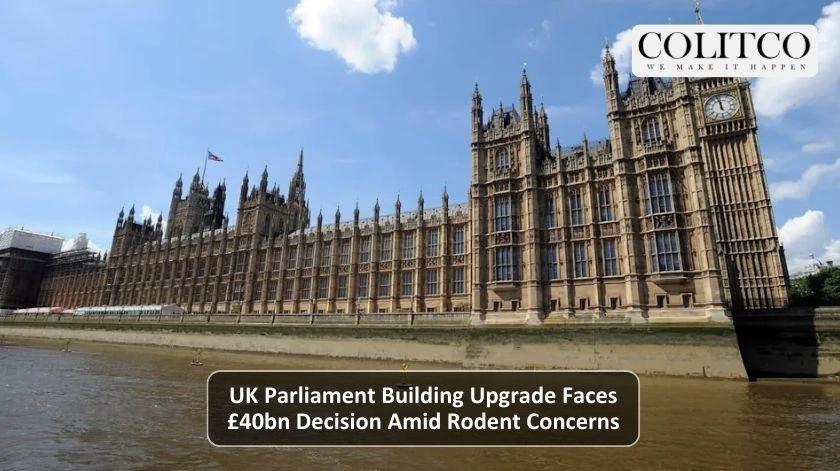
The UK Parliament building refurbishment has taken a new twist with new safety and hygiene matters being raised within Westminster. One rodent was said to have scampered over the floor when Conservative leader Kemi Badenoch was being interviewed live.
The footage highlighted the old age of the building and questioned the maintenance of the building. Labour MP Rupa Huq told BBC Radio 6 Music that she had seen rats and mice running around Parliament and her team had seen a rodent the previous day.
The event strengthened the demand to expedite the London parliament renovation project, which the lawmakers have long been arguing about. Experts indicate that the building is aging at a rapid rate, and it no longer complies with the current safety standards.
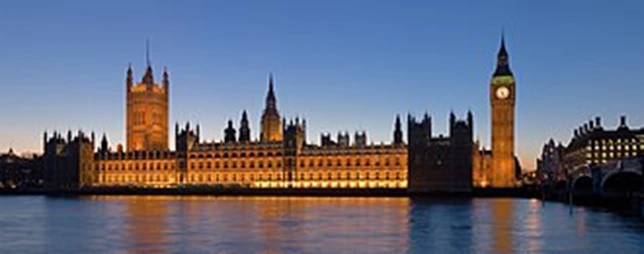
The Palace of Westminster exterior, where the legislators debate on emergency restoration projects. [Wikipedia]
UK Parliament Building Upgrade Costs Could Reach £40bn
Proposals for restorations have been progressed by MPs and peers to amount to a total of up to nearly 40 billion, including inflation. There were two key options that the restoration and renewal client board offered to the two Houses.
An alternative is to decant out the Palace of Westminster entirely. The second variant suggests progressive construction as Parliament will remain in service.
The magnitude of the upgrade of the UK Parliament represents decades of poor maintenance and the increasing risk of infrastructure. Officials caution that delays are making it more expensive per year.
The property is already incurring repair and maintenance costs of £1.5 million per week. The level of spending is said to be unsustainable in the long term.
What Are The Two Restoration Options On Offer?
The first alternative entails a complete decant of 19 to 24 years at a price of up to 15.6 billion. Comons and Lords would retire, and repairs would be underway. The second variant would phase works between 38 and 61 years and amount to no less than £39.2 billion.
Phase one, to be done independently, would take seven years and incur up to 3 billion. This step might start in 2026 should the motion be supported by both Houses.
Plans are being made to refurbish Victoria Tower, build a jetty in the Thames and begin underground tunnel projects. The Northern could host the Commons operations, and the Lords could be transferred to the QEII conference centre.
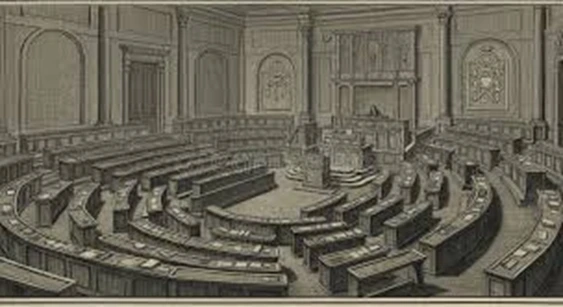
Antique legislative rooms that can be occupied in case of a possible complete evacuation. [Dreamstime.com]
Ageing Systems And Safety Risks Are Mounting
The client board had cautioned that the bulk of the building is Victorian in nature, with some portions being older.
Some sections of the House of Lords already have heating systems that fail. There is a continual failure of sewerage infrastructure. Areas constructed using reinforced autoclaved aerated concrete are losing toilets.
The estate has had 36 fire incidents, 12 incidents involving asbestos and 19 incidents involving stonemasonry since 2016. Professionals believe these numbers indicate the growing threat to employees and tourists.
Delays can subject Parliament to high risks of accidents or shutdowns. The safety checks are becoming more inclined towards the complete renovation rather than the temporary solutions.
How Will The London Parliament Renovation Plan Impact Taxpayers?
The project would require huge government expenditure, which, according to the critics, would be eye-watering. Certain MPs doubt the processes of governance and oversight.
Other people also say that procrastination in work just adds to the end bill. Trade unions encourage a complete decant as the most effective and cost-effective path.
They also assert that the initiative has the potential of generating thousands of jobs and apprenticeships in the UK. Heritage masters and construction experts can enjoy long-term contracts.
According to the officials, economic benefits may counterbalance the expenditures partially. Instead, taxpayers desire accountability and transparency during delivery in terms of budget constraints.
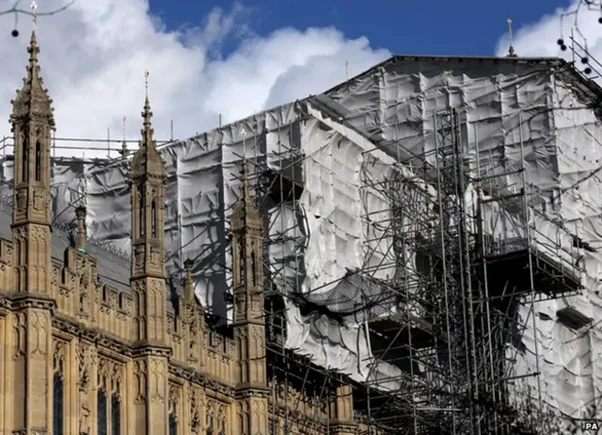
Construction workforces are supposed to assist in the extensive restoration of the parliamentary estate. [BBC]
Political Debate Intensifies Ahead Of Final Vote
Parliamentarians now have to choose what to do with the upgrade of the UK Parliament. By the middle of 2030, the board desires a final ruling. According to some, it is farcical to wait that long, taking into consideration the risks.
Other individuals insist on a closer examination of billions of spending. In the meantime, rodent and malfunctioning systems reports are still influencing the minds of people.
The heritage status of the building contributes to making every engineering decision more complicated. Nevertheless, there is a brewing pace towards decisive action. The imminent vote may spell out decades of Westminster.
Also Read: Pornhub to Restrict Access for New UK Users as Age Verification Rules Take Effect
FAQs
Q1: Why is the UK Parliament building upgrade needed?
A1: The building faces ageing systems, fire risks, asbestos issues and hygiene concerns.
Q2: How much could the UK Parliament upgrade cost?
A2: Costs range up to almost £40 billion, depending on the option chosen.
Q3: What is a full decant?
A3: It means both Houses move out while restoration works occur.
Q4: When could work begin?
A4: Initial works could start in 2026 if both Houses approve the plans.