
Tesla has lost its position as the world’s largest electric vehicle manufacturer after global sales fell for a second straight year. Chinese automaker BYD overtook the company in 2025, as expiring US tax credits, overseas competition, and political backlash weighed on demand.
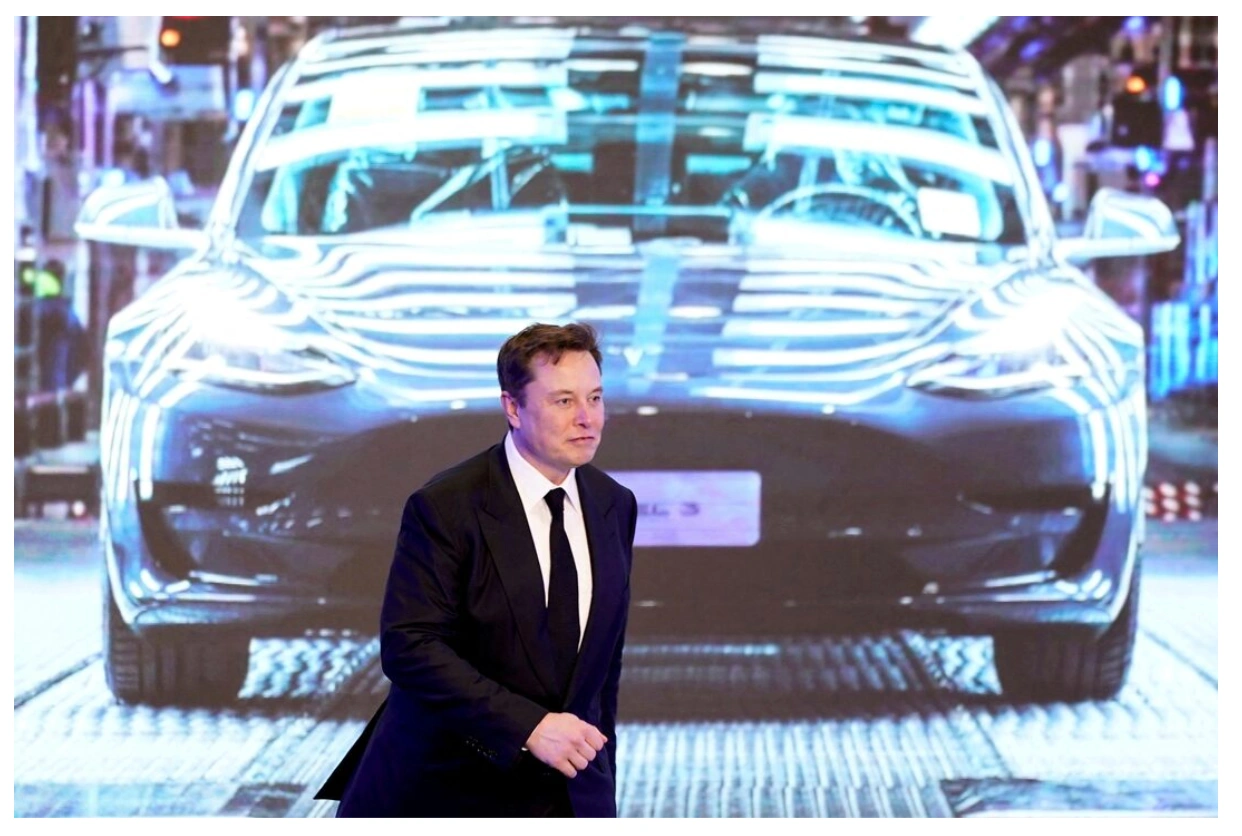 Tesla chief executive Elon Musk during a company event as the automaker loses its global EV sales lead. (Source: Reuters)
BYD Overtakes Tesla in 2025 Sales
Tesla said it delivered 1.64 million vehicles in 2025, a nine percent drop from the previous year. That figure placed the company behind BYD, which sold 2.26 million battery electric vehicles during the same period.
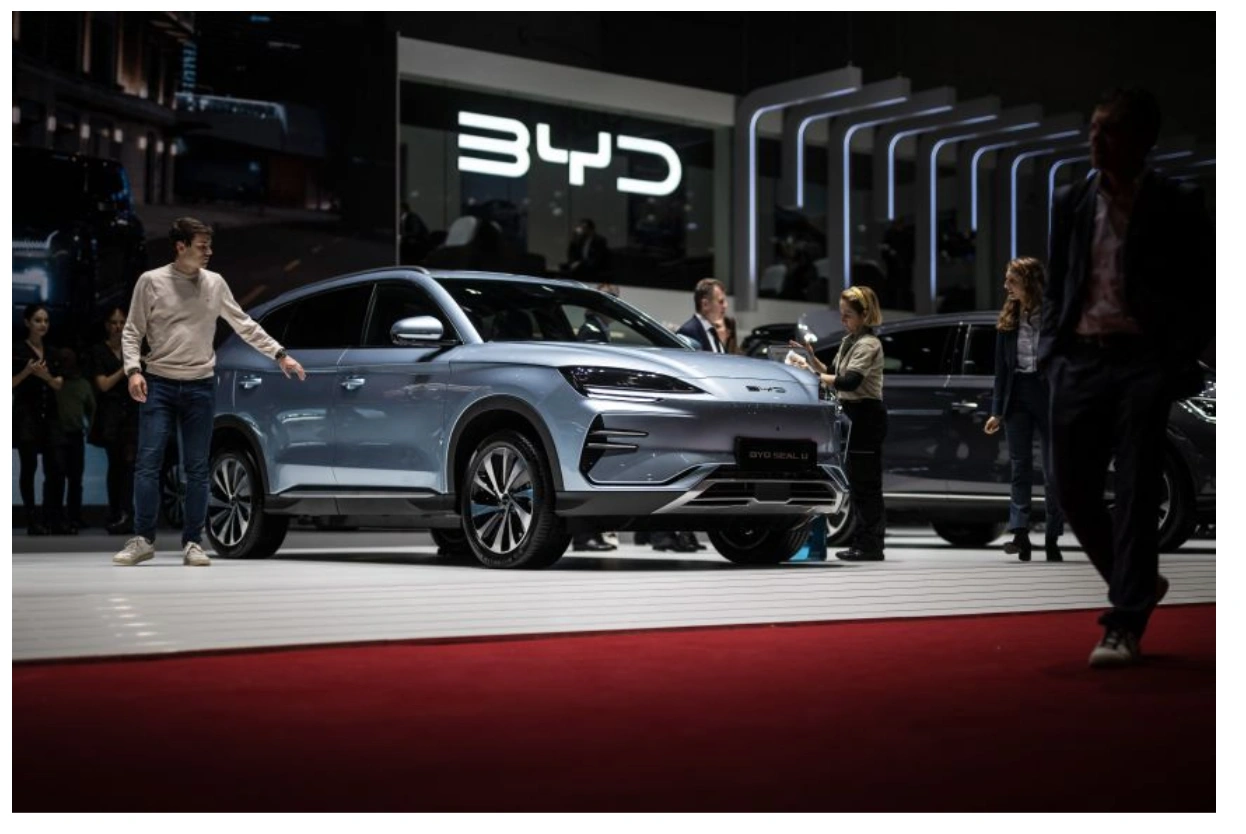 BYD electric vehicles as the Chinese automaker overtakes Tesla in global EV sales. (Source: CNN)
The shift marked the first time BYD has taken the global sales lead in fully electric vehicles. Tesla had held the top position for several years, supported by strong demand in the United States and Europe.
The gap between the two companies was wide. BYD sold more than 620,000 vehicles compared to Tesla during the year, reflecting its rapid expansion in both domestic and overseas markets.
Second Year of Falling Deliveries
Tesla’s 2025 results followed a weak performance in 2024, when deliveries also declined. The two-year slide marked the sharpest downturn in the company’s history since it became a mass-market manufacturer.
For the final quarter of 2025, Tesla delivered 418,227 vehicles. That total was down more than 15 per cent from the same period a year earlier and fell short of analyst expectations.
Market analysts had forecast around 440,000 deliveries for the quarter. The lower-than-expected result added to concerns about slowing consumer demand in key markets.
Tax Credits and Political Backlash
The fall in sales was partly linked to the end of a US$7,500 tax credit for electric vehicle buyers. The incentive expired at the end of September under the Trump administration, raising the effective purchase price for many customers.
Sales had surged in the third quarter as buyers rushed to secure the credit before it ended. That rush left a weaker fourth quarter, as demand cooled after the subsidy disappeared.
Tesla also faced consumer resistance tied to chief executive Elon Musk’s political positions. Public criticism of his right-wing views has led some buyers to avoid the brand, especially in Europe.
Growing Pressure From Chinese Rivals
BYD’s rise has been driven by aggressive product launches and expanding global reach. The company introduced a wide range of new models over the past five years, targeting multiple price segments.
Its overseas sales exceeded one million vehicles in 2025, with strong growth in Europe and parts of Asia. BYD has also announced new factories in Europe to reduce costs and avoid regional trade barriers.
Tesla, by contrast, has relied on existing platforms. The Model 3 and Model Y remain the company’s main products, despite being based on older designs compared with newer competitors.
Price Cuts Fail to Halt Slide
In October, Tesla introduced lower-priced versions of the Model Y and Model 3 in an effort to revive demand. The Model Y was priced just under US$40,000, while the Model 3 was listed below US$37,000.
The models were designed to compete more directly with cheaper Chinese vehicles in Europe and Asia. Even so, the move failed to prevent an overall decline in annual deliveries.
The pricing strategy has also affected profit margins, adding pressure as Tesla faces more intense competition in the global EV market.
Stock Rises Despite Weak Sales
Despite falling vehicle sales, Tesla shares ended 2025 with an overall gain of about 11 per cent. Investors continued to back the company based on expectations tied to future technology projects.
Tesla stock was down nearly three per cent in trading after the latest delivery figures were released. However, shares had reached record highs late last year.
Market analysts said investors are now more focused on Tesla’s ambitions in robotaxi services and artificial intelligence rather than its current vehicle sales.
Robotaxi and Regulatory Challenges
Tesla has begun rolling out a robotaxi service in Austin, first with safety monitors inside vehicles and later without them. The company plans to expand the service to more cities this year.
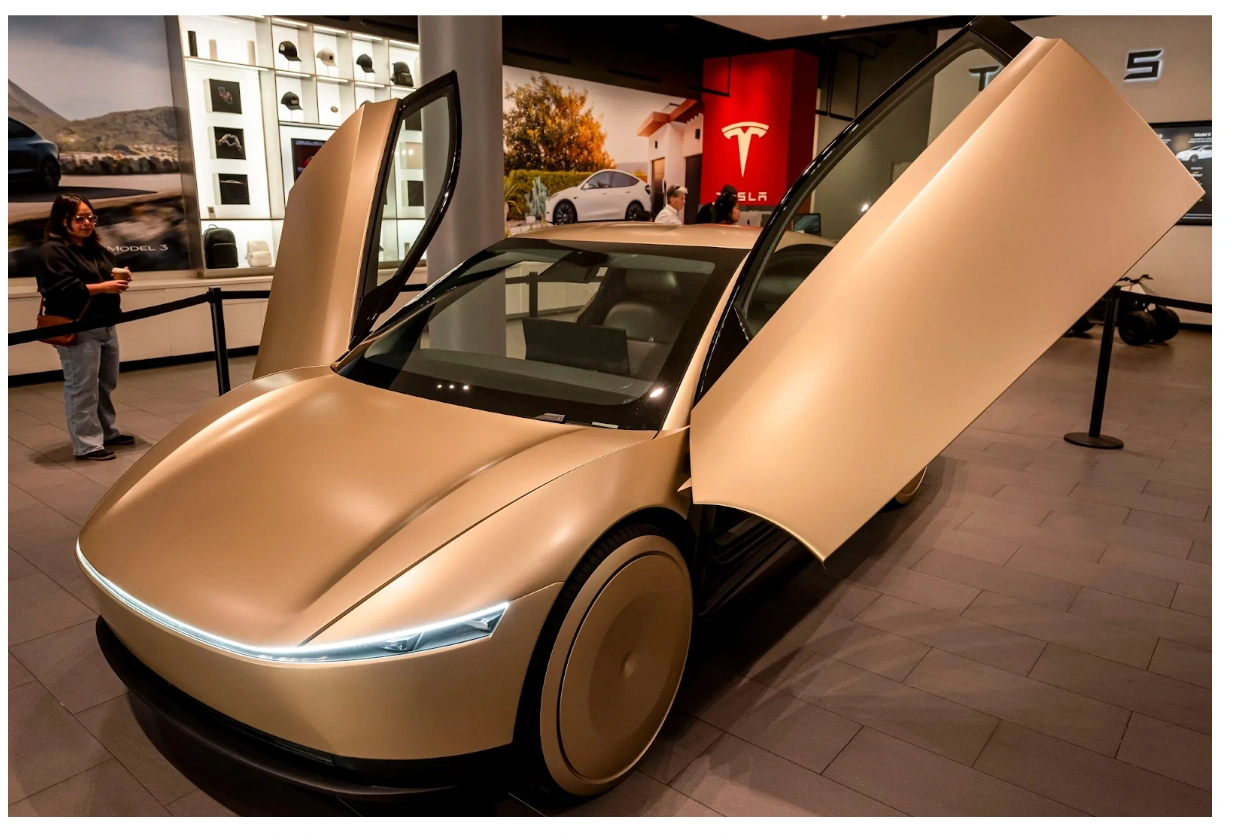 A Tesla vehicle used in autonomous driving trials as the company shifts focus toward robotaxi services. (Source: Bloomberg)
Musk has said software updates could allow hundreds of thousands of Teslas to operate without human intervention by the end of the year. The company is also planning to begin production of its driverless Cybercab in 2026.
Regulators have raised concerns about safety. Tesla is facing several federal investigations and could temporarily lose its licence to sell cars in California over claims it misled customers about vehicle safety.
Also Read: Curragh Mine Rescue After Roof Collapse in Queensland
Leadership and Investor Support
In November, Tesla shareholders approved a new pay package for Musk aimed at keeping him focused on the company. The package could make him the world’s first trillionaire if he sells shares in SpaceX.
Investors appear willing to accept weak car sales in exchange for long-term bets on automation and robotics. That shift has changed how markets value Tesla compared with traditional carmakers.
For now, BYD’s rapid growth has placed it firmly at the top of the global electric vehicle market, while Tesla faces mounting pressure to stabilise its core business.
FAQs
- Why did Tesla lose its title as the world’s top electric vehicle maker?
Tesla was overtaken by BYD after its global electric vehicle deliveries fell in 2025 while BYD’s sales continued to rise. The change made BYD the world’s biggest EV seller for the year.
- How many electric vehicles did BYD sell compared with Tesla in 2025?
BYD sold about 2.26 million electric vehicles in 2025. Tesla delivered about 1.64 million vehicles during the same period, leaving BYD well ahead in global sales.
- What caused Tesla’s sales to decline?
Tesla’s sales were affected by stronger competition from Chinese and other global manufacturers, as well as the end of key electric vehicle tax credits in the United States, which made EVs more expensive for buyers.
- Does BYD’s lead reflect worldwide sales?
Yes. BYD’s position as the top electric vehicle maker is based on its global sales, including strong growth in China, Europe, and other international markets.
- Is this the first time Tesla has lost the global EV sales lead?
Yes. Tesla had held the top position for several years before being overtaken by BYD in 2025 on a full-year sales basis.
- Does Tesla still lead in any markets?
Tesla remains a leading electric vehicle brand in several countries, including the United States. However, BYD surpassed Tesla in total worldwide electric vehicle sales during 2025.