

The Federal Reserve is expected to keep interest rates unchanged this week. Several major central banks are also poised to hold. Policymakers face political pressure, legal scrutiny, and unsettled markets across regions.
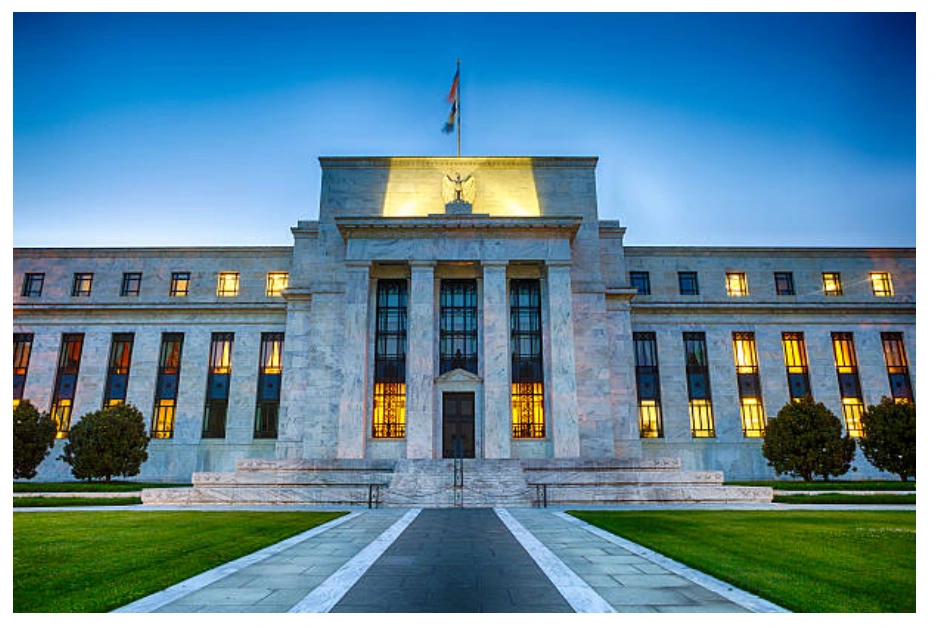 The Federal Reserve headquarters in Washington, D.C., is where policymakers are expected to keep interest rates unchanged this week. (Source: Istock)
Federal Reserve Faces Pressure and Legal Scrutiny
Officials in Washington are widely expected to resist calls for immediate rate cuts. The two-day policy meeting ends on Wednesday. President Donald Trump has urged lower borrowing costs repeatedly.
The central bank has already cut rates three times late in 2025. Recent data show falling unemployment and inflation above target. Those figures support a pause in easing.
Chair Jerome Powell also confronts legal challenges. Grand jury subpoenas threaten potential indictments. The Supreme Court has heard arguments on Governor Lisa Cook’s job security.
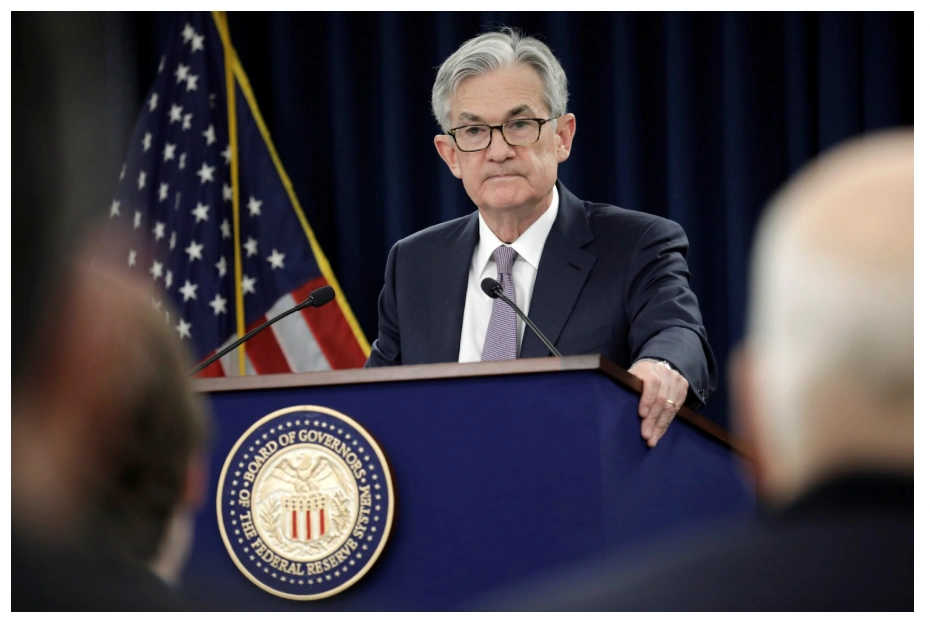 Federal Reserve Chair Jerome Powell addresses reporters amid political pressure and ongoing legal challenges. (Source: Reuters)
Powell’s press conference will be closely watched. It will be his first since disclosing the subpoenas. Expectations remain low for detailed comment on legal matters.
Bloomberg Economics expects most policymakers to support holding rates steady. Analysts will watch votes from Christopher Waller and Michelle Bowman. Their stance could signal unity behind Powell.
Global Support for Central Bank Independence
Central bank leaders from several countries have expressed solidarity with Powell. The group includes the Bank of England and the European Central Bank. They emphasized autonomy in monetary policy decisions.
This public support comes as political tension rises in Washington. Officials worry about interference in interest rate decisions. Many see unity as essential for credibility.
Brazil, Canada, and Sweden are also expected to hold rates. Their decisions align with the Fed’s cautious approach. Each faces domestic uncertainty and global market volatility.
International Monetary Fund Managing Director Kristalina Georgieva addressed the mood at Davos. She said the world has become more shock-prone. Her remarks reflected concerns about unpredictable policy risks.
Market Volatility Shapes Policy Decisions
Global markets have shown renewed strain. Japan experienced a recent rout that unsettled investors. Concerns persist about trade disruptions and geopolitical ambitions.
Trump’s comments on Greenland have added to uncertainty. His frequent trade threats also weigh on business confidence. Policymakers remain alert to growth risks from tariffs.
 Global markets remain unsettled as policymakers weigh growth risks and inflation pressures.
At the same time, inflation pressures remain a concern. Many central banks must balance price stability and economic support. That balance explains the widespread inclination to pause.
As many as 18 central banks have meetings this week. Advanced economies mostly plan to hold. Several African nations may ease, reflecting different economic cycles.
United States and Canada Hold Course
The Fed is expected to leave rates unchanged. Powell may say policy is well-positioned for now. He is unlikely to offer clear guidance on future moves.
The week’s data calendar includes producer price figures. Economists expect modest acceleration in wholesale costs. Durable goods orders and trade data are also due.
In Canada, the central bank is set to hold at 2.25%. Policymakers cite slower growth and uncertainty. The review of the US-Mexico-Canada Agreement adds pressure.
Traders expect the Bank of Canada to stay on hold through most of 2026. Officials have said the current rate supports growth without reigniting inflation.
Statistics Canada will release GDP data soon. Output likely weakened in the fourth quarter. Trade figures may show declining exports to the United States.
Asia-Pacific Data and Policy Signals
Australia will release key inflation data this week. Consumer prices are expected to rise 3.6% year over year. Strong jobs data adds to hawkish expectations.
The Reserve Bank of Australia meets on February 3. Rising inflation could fuel speculation about a rate increase. Markets will react to the upcoming report.
Japan will publish inflation data for Tokyo. Core inflation is forecast to slow to 2.2%. Underlying pressure remains firm at 2.6%.
Those readings support the Bank of Japan’s tightening path. Policymakers remain cautious but open to further increases. Markets will watch for policy signals.
China will release industrial profits data. Weak demand continues to squeeze manufacturers. Exporters and domestic firms face margin pressure.
Europe Navigates Growth and Inflation Signals
In the euro area, attention centers on economic momentum. Germany’s Ifo survey will offer sentiment insight. Recent industrial data showed unexpected strength.
Fourth-quarter GDP estimates arrive Friday. Economists expect expansion across major economies. France, Italy, and Spain are predicted to post gains.
Spain and Germany will publish inflation data. Spain’s rate may slow to 2.4%. Germany’s inflation is likely to hold near 2%.
Few European Central Bank officials will speak this week. A blackout period starts before the February decision. The Bank of England also enters a quiet phase.
Hungary’s central bank meets on Tuesday. No change is expected, though hints of future cuts matter. Ukraine’s central bank may consider a large cut.
Sweden’s Riksbank is seen holding at 1.75%. Officials expect unchanged borrowing costs for some time. Inflation has slowed, allowing patience.
Also Read: Canada Respects USMCA, Rejects China Trade Deal
Africa and Latin America Adjust to Local Cycles
Several African central banks will announce decisions. Ghana is expected to cut by 300 basis points. Inflation there continues to ease.
Mozambique may lower borrowing costs to support growth. South Africa could cut by 25 basis points. Malawi is likely to hold at 26%.
Eswatini may trim rates, while Lesotho could stay on hold. Their currencies are pegged to the rand. Policy divergence remains possible.
In Latin America, Brazil will release inflation data. Prices may breach the 4.5% tolerance ceiling. The 3% target remains distant.
Brazil’s central bank meets for the first time in 2026. Most analysts expect no cut this week. A gradual easing cycle may begin later.
Chile’s central bank is likely to hold after a recent cut. The country will release production data and other reports.
Colombia’s central bank is expected to raise rates. A minimum wage hike has lifted inflation expectations. Analysts see further tightening this year.
Mexico will publish fourth-quarter GDP data. The economy likely avoided a technical recession. Trade policy uncertainty clouds the 2026 outlook.