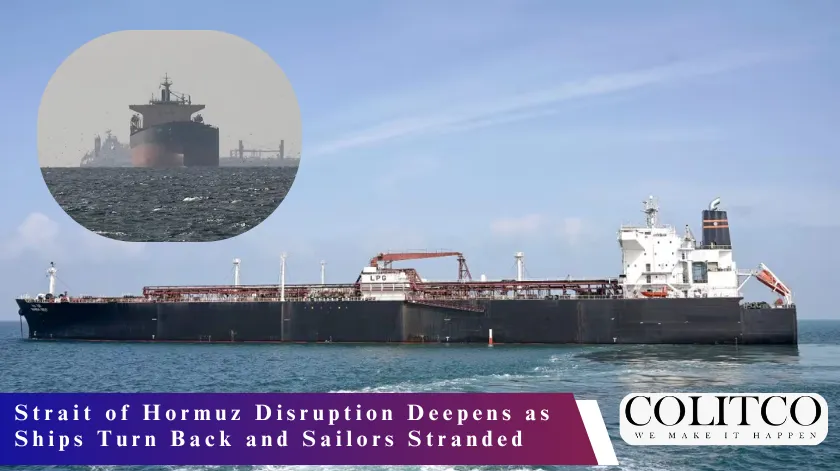
Escalating Tensions Spill Into Global Shipping Routes
Rising geopolitical tensions in the Middle East have intensified disruptions in the Strait of Hormuz, as Iran continues to restrict vessel movement while regional conflict escalates.
Recent reports confirm that commercial ships are being turned back, maritime routes are being rerouted, and sailors are increasingly stranded at sea. These developments follow renewed instability linked to conflict dynamics involving Hezbollah and Israel, further complicating global trade flows.
Explosions in Beirut Signal Broader Regional Instability
Explosions reported in southern Beirut have heightened fears of a wider regional conflict. Local media attributed the blasts to an Israeli airstrike targeting areas known to house Hezbollah infrastructure.
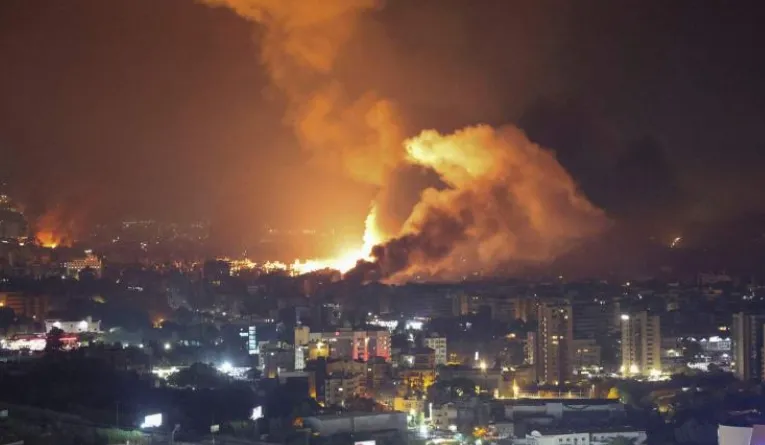
Smoke rises over southern Beirut following reported strikes amid escalating regional tensions. [OpenAI]
While casualty figures remain unconfirmed, the strike is believed to have targeted weapons storage facilities and militant positions. Southern Beirut has long been a focal point due to Hezbollah’s presence, and such incidents typically signal escalation in hostilities.
The development adds pressure to already fragile regional stability, with potential spillover effects on critical maritime routes and energy markets.
Chinese Container Ships Abandon Strait Transit
In a clear sign of deteriorating confidence in safe passage, two major Chinese container vessels reportedly abandoned attempts to transit the Strait of Hormuz.
Shipping sources indicate the decision was driven by rising security concerns and increased Iranian enforcement activity. The vessels halted their journeys before entering high-risk waters, reflecting growing caution even among ships not directly linked to Western nations.
This shift underscores a broader trend in global shipping, where companies are reassessing risk exposure and opting for alternative routes despite higher operational costs.
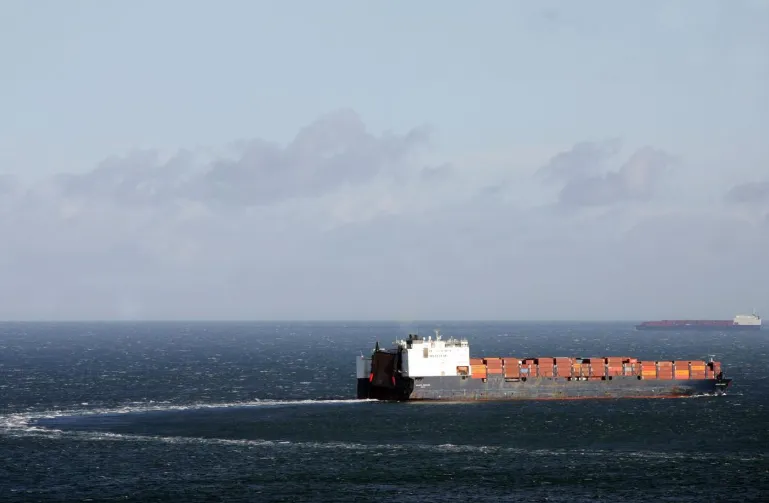
Container vessels alter course as security risks disrupt transit through the Strait of Hormuz. [OpenAI]
Shipping Industry Adapts to Mounting Risks
The disruption has forced shipping companies to adopt costly contingency strategies. Many vessels are now diverting via the Cape of Good Hope, significantly increasing travel time and fuel expenses.
Industry operators are also adjusting insurance coverage, with war-risk premiums rising sharply for Middle East routes. These changes are contributing to delays across supply chains, particularly for energy commodities.
The situation reflects a growing fragmentation of global trade routes, where access to key waterways is increasingly influenced by geopolitical alignment.
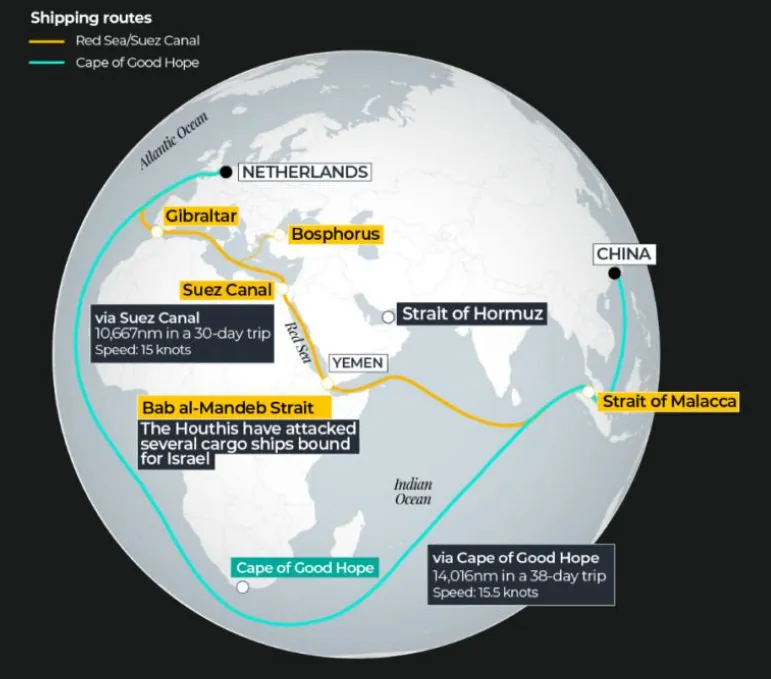
Global shipping routes shift as vessels divert around the Cape of Good Hope to avoid high-risk zones. [OpenAI]
Sailors Face Mounting Humanitarian Challenges
Beyond economic implications, the crisis is taking a toll on seafarers. Reports indicate that many sailors are stranded aboard vessels unable to dock or proceed through the Strait.
Crew members face prolonged periods at sea, with limited supplies and uncertain timelines. Accounts highlight rising stress, fatigue, and anxiety among maritime workers caught in the disruption.
The inability to rotate crews or access ports has raised concerns about labour conditions and safety standards, bringing attention to the often-overlooked human cost of geopolitical conflict.
Strait of Hormuz Becomes Politicised Trade Corridor
The evolving situation suggests the Strait of Hormuz is no longer functioning as a neutral international passage. Instead, access appears increasingly selective, influenced by political and strategic considerations.
Iran’s enforcement measures have effectively created a system where some vessels are permitted transit while others face restrictions or denial. This shift challenges long-standing principles of freedom of navigation under international maritime law.
The result is an increasingly unpredictable shipping environment, where decisions are shaped as much by geopolitics as by commercial logistics.
Global Trade and Energy Markets Under Pressure
The Strait of Hormuz handles a significant portion of global oil shipments, making any disruption a major concern for energy markets. Rerouting and delays are already contributing to supply chain bottlenecks and price volatility.
Countries dependent on energy imports are particularly vulnerable, as extended transit times and higher shipping costs ripple through domestic markets.
At the same time, the crisis is prompting governments and companies to reconsider long-term strategies, including supply diversification and alternative transport corridors.
Also Read:Iran Hormuz Transit Fees Disrupt Global Oil Shipping = Colitco
Final Thoughts
The convergence of military escalation, maritime restrictions, and humanitarian strain highlights the far-reaching impact of the current crisis. What began as a regional security issue is rapidly evolving into a global trade disruption.
As tensions persist, the Strait of Hormuz remains a critical flashpoint, with implications that extend beyond shipping into energy security and international economic stability.
FAQs
Q1: Why are ships being turned back in the Strait of Hormuz?
A: Ships are being turned back due to increased enforcement measures by Iranian authorities and rising security risks linked to escalating regional tensions.
Q2: Which ships are most affected by the Strait of Hormuz disruption?
A: Vessels linked to certain countries or heading to specific destinations face higher restrictions, although even neutral ships are acting cautiously.
Q3: Why did Chinese container ships abandon their transit?
A: Two major Chinese vessels turned back due to security concerns and uncertainty around safe passage through the Strait.
Q4: How are shipping companies responding to the crisis?
A: Many companies are rerouting vessels via longer routes like the Cape of Good Hope, increasing costs, fuel use, and delivery times.
Q5: What impact is this having on global trade?
A: The disruption is causing supply chain delays, higher shipping costs, and increased volatility in energy and commodity markets.
Q6: How are sailors affected by the situation?
A: Seafarers are facing extended time at sea, limited supplies, stress, and uncertainty as ships are delayed or denied passage.
Q7: Could this crisis affect global oil prices?
A: Yes, disruptions in the Strait of Hormuz can lead to supply concerns and price fluctuations in global oil markets.
Q8: Is the Strait of Hormuz still open to all ships?
A: The strait is not fully closed, but access has become selective, making transit less predictable and more politically influenced.
Disclaimer:
This article is published by Colitco for informational and news reporting purposes only. It covers developments in maritime security, shipping disruptions, and geopolitical tensions in the Strait of Hormuz. The content is based on available reports at the time of publication and may change as new information emerges. It does not constitute financial, investment, legal, or trading advice. Readers should verify information independently before making any decisions based on this report.
Sources
https://www.deccanchronicle.com/world/explosions-heard-from-south-beirut-as-local-media-report-israeli-strike-1946585https://www.tradewindsnews.com/containers/two-giant-chinese-container-ships-halt-bid-to-sail-through-strait-of-hormuz/2-1-1967228?zephr_sso_ott=1mggX7https://www.nbcnews.com/world/iran/sailors-stranded-iran-war-strait-of-hormuz-rcna265052
Last modified: March 28, 2026