Starbucks is placing bets on its technological invention in order to re-establish traction in its biggest markets. The 55-year-old chain is implementing AI robots at drive-throughs and electronic assistants in the stores.
Customers are now talking to automated systems that are fast and precise in processing orders. Virtual helpers are also employed by Baristas to remember recipes and work shifts without delays.
Inventory scanners are used to count the stock in the back room and minimise the out-of-stock gaps. According to management, the tools reduce friction and increase the speed of service.
The effort is part of hundreds of millions of dollars of technology investments in a bid to regain customers following a few dismal years.
Starbucks tests AI ordering and digital tools to streamline service. [Forbes]
Sales Recovery Signals Momentum Across The US
Initial outcomes indicate that the strategy is already beginning to pay. Starbucks reported its first growth in sales in the past two years in the US outlets. The company has approximately 70 per cent of its revenue generated in the US market.
Nevertheless, the share value dropped by 5 per cent as investors considered the excessive expenditure.
The group also invested in increasing the staffing by investing $500m (£363m). Executives claim that the consistent growth in sales will be compensating the short-term profit strain.
They also committed to achieving the savings of 2bn by the next three years. A decrease in technology expenditure will be able to provide such efficiencies without negatively affecting service quality.
Why Is Automation Central To Starbucks Automation Plans?
Brian Niccol became the chief executive in 2024 at a time when the brand was experiencing a turbulent time. Repeat price increases had been fought by customers. There was increased competition and labour quarrels, which caused boycott appeals.
Niccol stopped increasing prices and made the menu simple. He also established a goal of four minutes or less to make orders. Starbucks reduced thousands of corporate positions and shut down non-performers.
Those objectives are now automated, with the staff being liberated to engage in hospitality instead of monotonous work. AI chatbots will recommend beverages depending on the moods and preferences. The other way that scheduled ordering is used is so that there are no queues during rush hours.
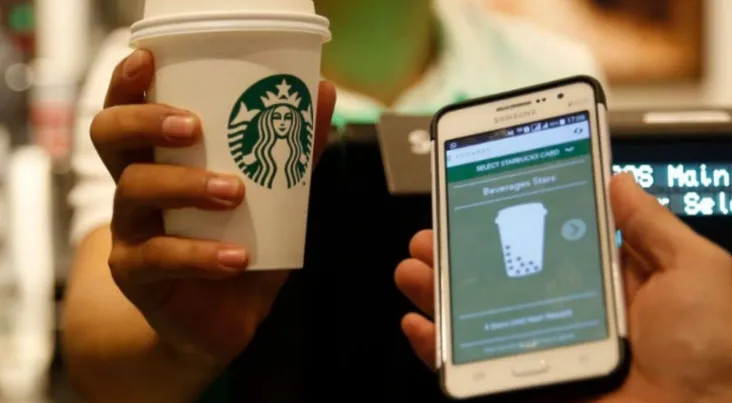
Staff focus on hospitality while technology handles routine processes. [Outsource Accelerator]
Experience Remains The Heart Of The Brand
Starbucks maintains that human interaction is at the core, even though there is a push towards technology. Employees are once more writing the names of customers on cups manually.
To make the stores warm, armchairs, new paint, and ceramic mugs are being received. A total of 150,000 uplift can be given to each location within four years. Tighter uniforms and new policies are supposed to standardise presentation.
Management refers to all outlets as community coffeehouse as opposed to an actual transaction point. In their opinion, the brand is differentiated not only by the coffee but by experience as well.
Will Price Rises Return As Costs Climb?
Niccol does not exclude the possibility of a price increase in the future, but he refers to it as a final measure. There is no longer such a high level of inflation, and coffee prices can stabilise following recent upsurges.
Cost pressure was also low as the US government took coffee off the tariff list. These aspects may justify increased menu prices. In the meantime, Starbucks is scheduled to expand its presence across the world in order to open almost 40,000 stores over the coming years.
The international expansion is one of the pillars of growth outside the US market.

Expansion and efficiency drive Starbucks global growth ambitions. [ReportLinker]
Global Expansion Anchors Coffee Technology Trends 2026
The bigger picture is in line with Coffee technology trends 2026, where chains rationalise the use of data and robotics to enhance margins. Starbucks automation is a mixture of AI and investment in labour, instead of dismissing employees.
According to executives, the blend enhances speed without damaging the feel of the cafes. The discussions about unions and executives’ pay continue to dominate the headlines.
But the management thinks that there will be confidence to go ahead with stable sales and controlled expenditure. Should it be successful, Starbucks technology innovation might establish the model of the global quick-service operations in coffee.
Also Read: Starbucks Bets Big on Protein: Are These New Drinks Worth the Hype?
FAQs
Q1: What is Starbucks’ technology innovation?
A1: It refers to AI ordering, digital assistants, and automated inventory tools improving store efficiency.
Q2: How much is Starbucks investing in staff?
A2: The company committed $500m (£363m) to boost staffing levels.
Q3: What cost savings are planned?
A3: Starbucks aims to deliver $2bn in savings over the next three years.
Q4: How important is the US market?
A4: The US accounts for about 70% of total revenue.